.JPG "Exquisite Properties")
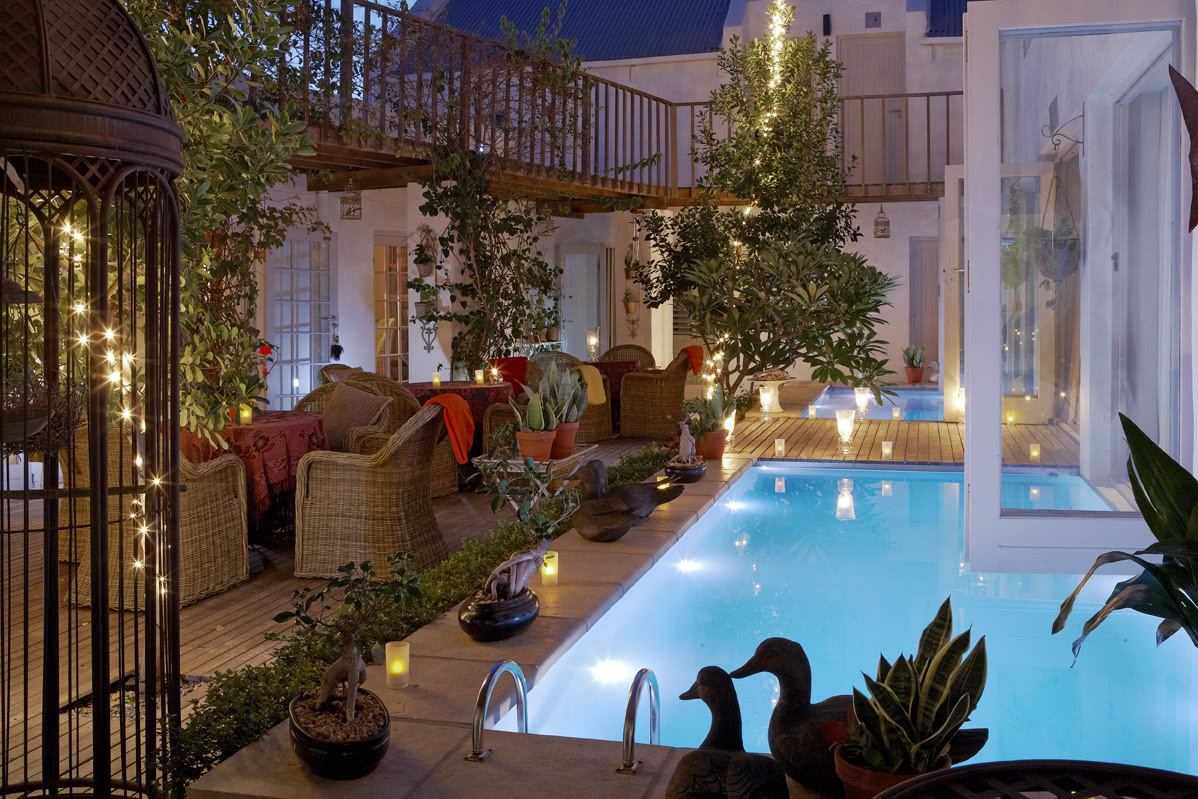
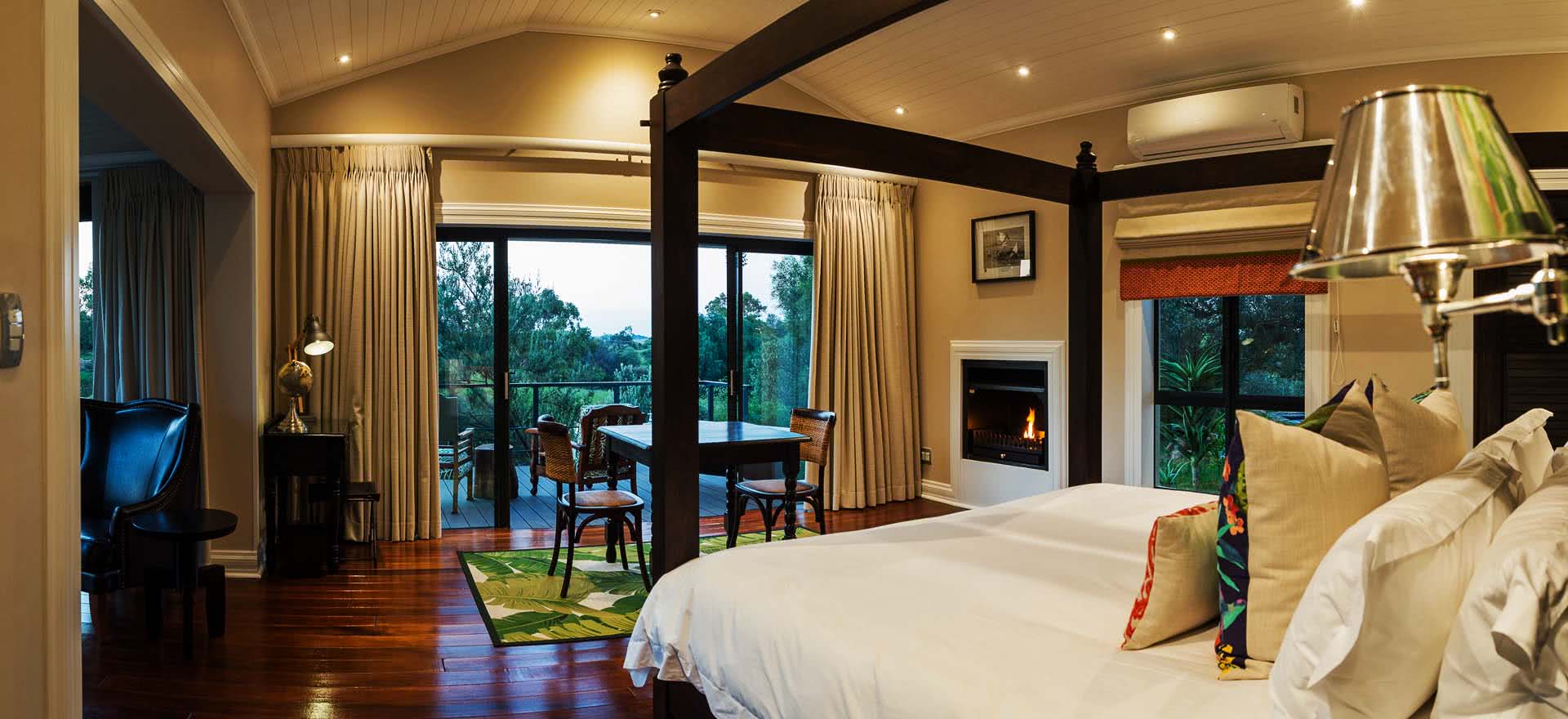
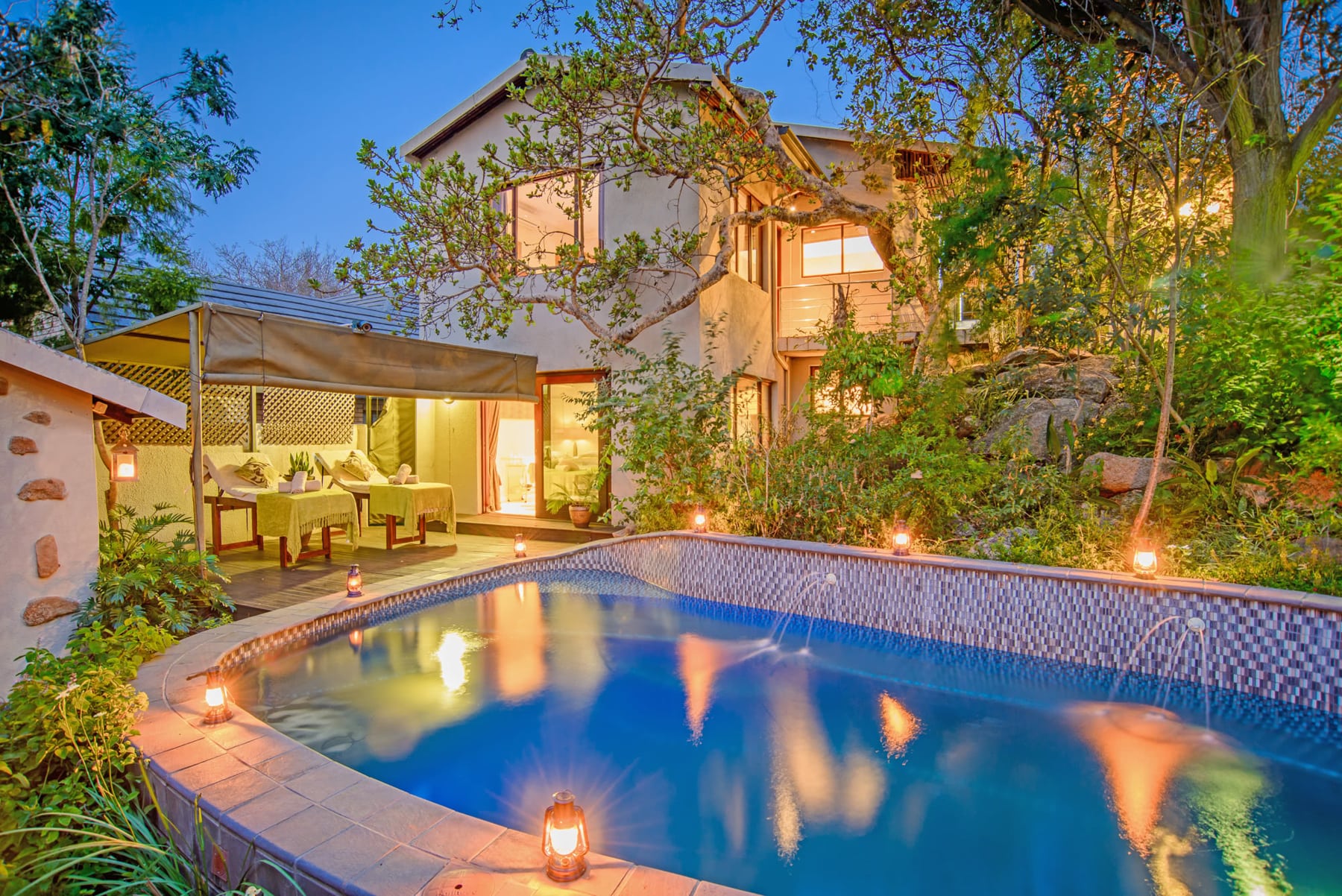
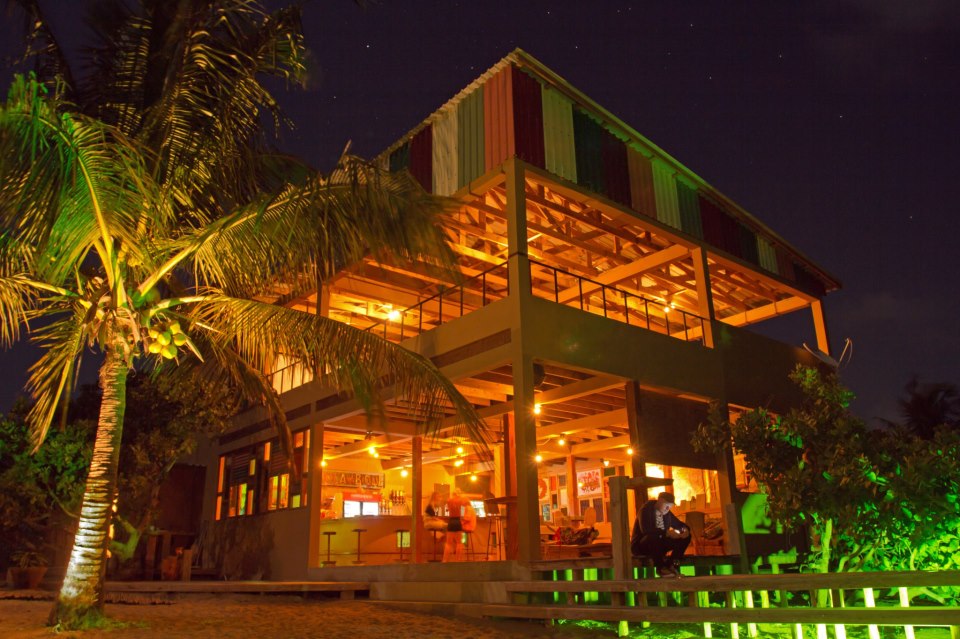

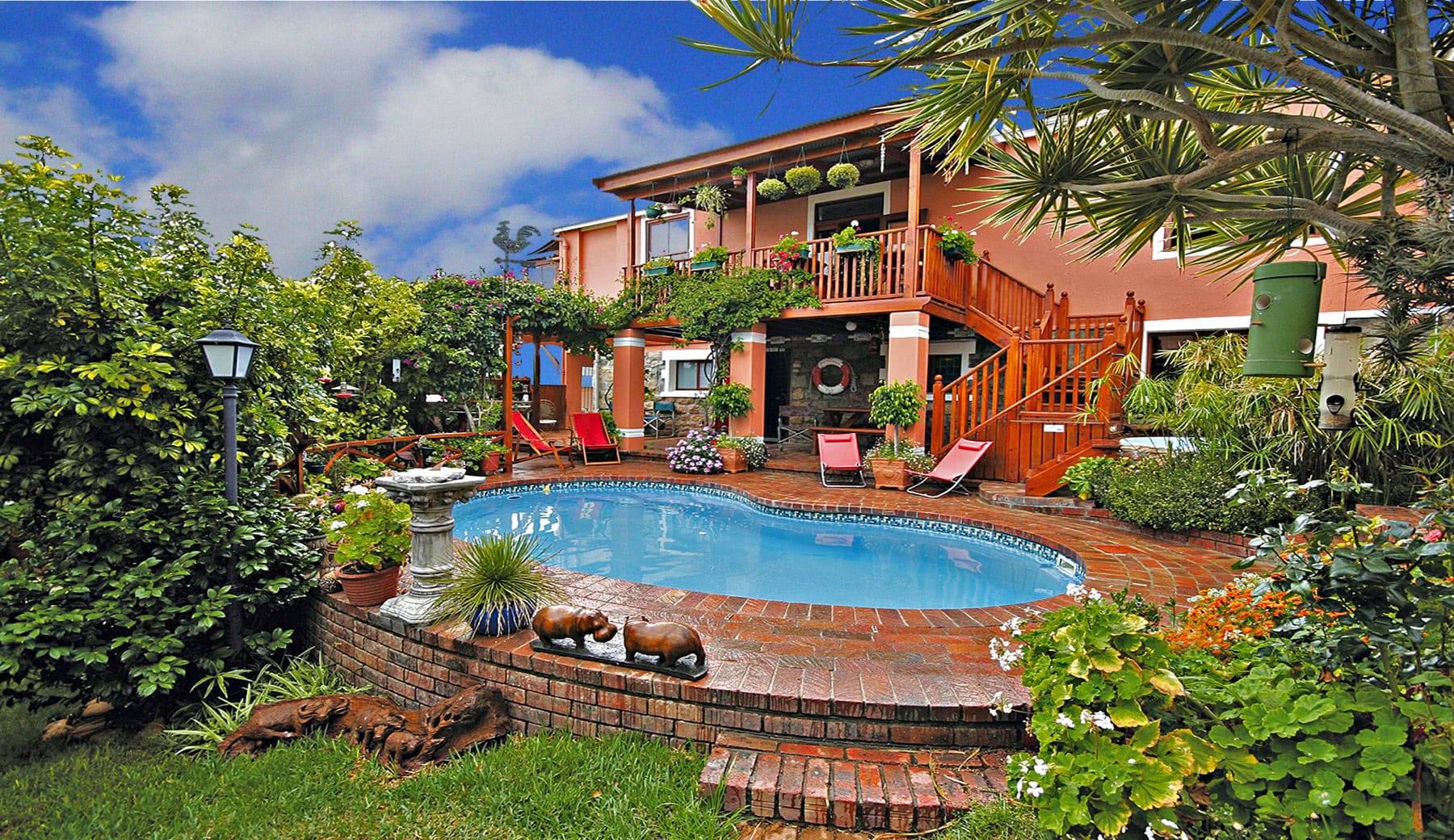
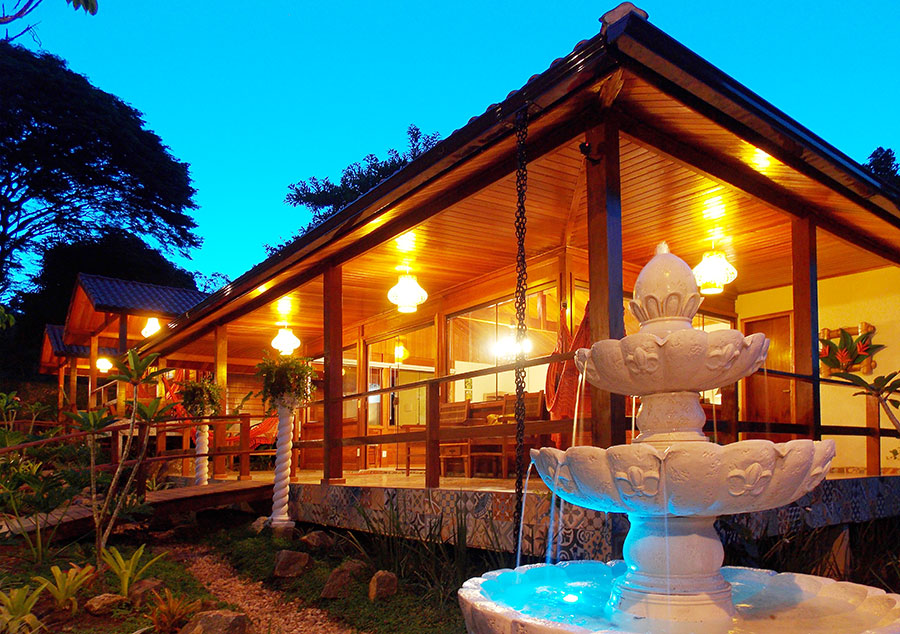
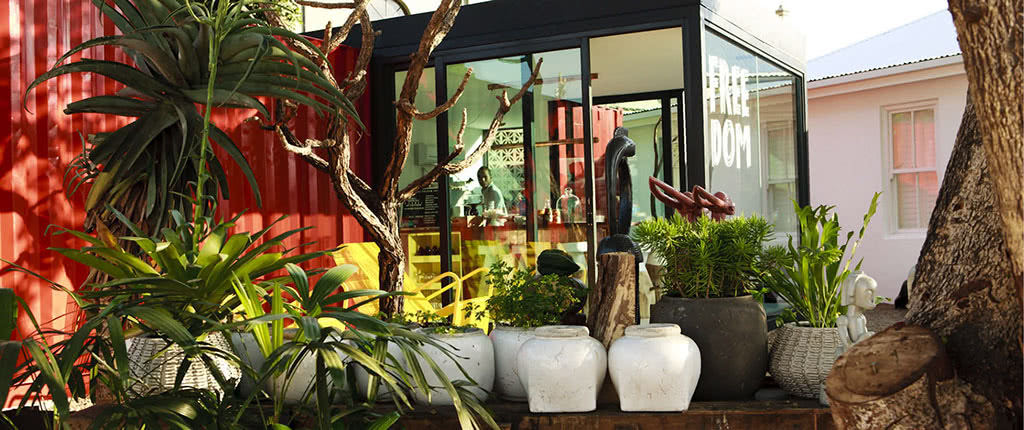
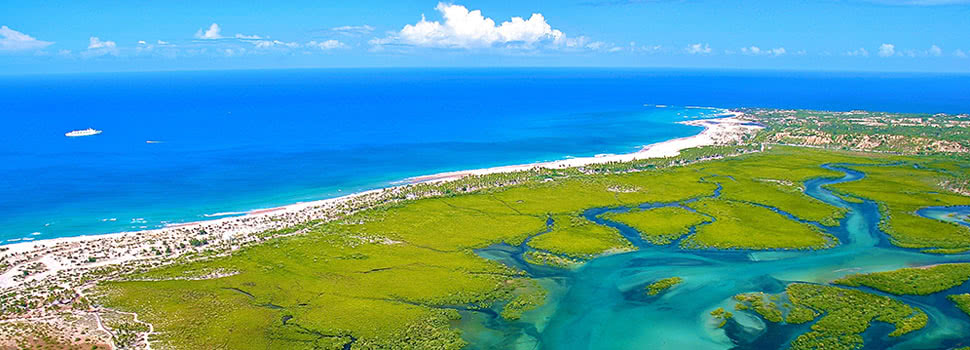
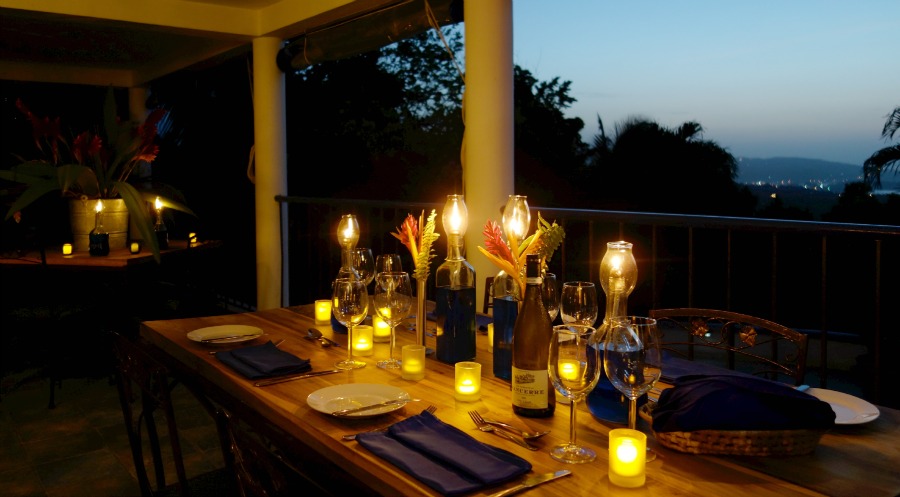
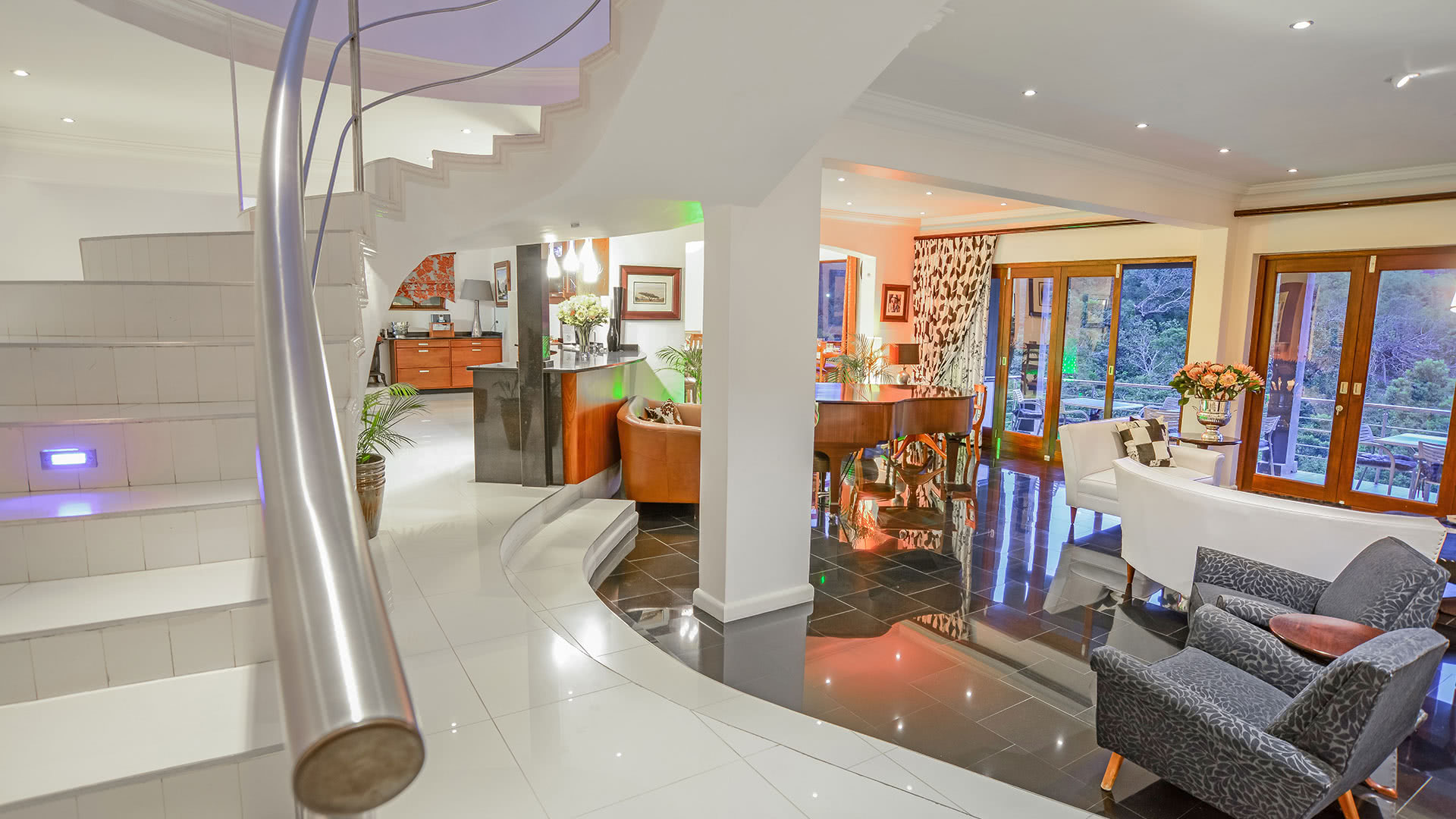
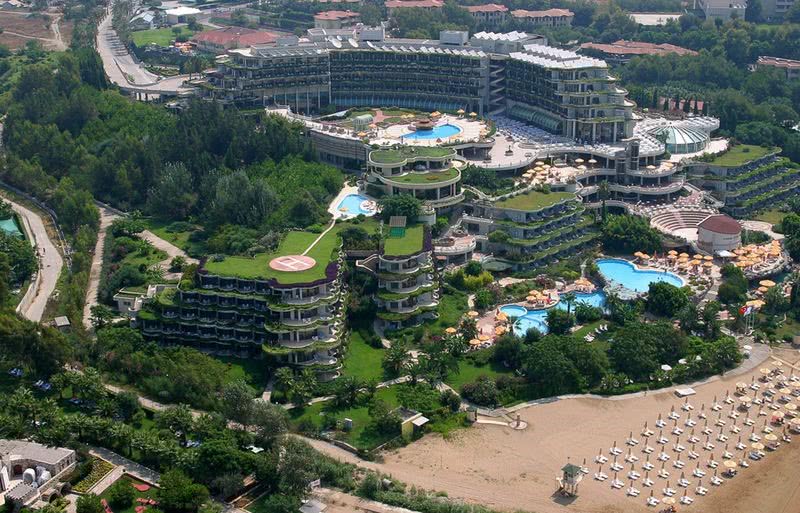
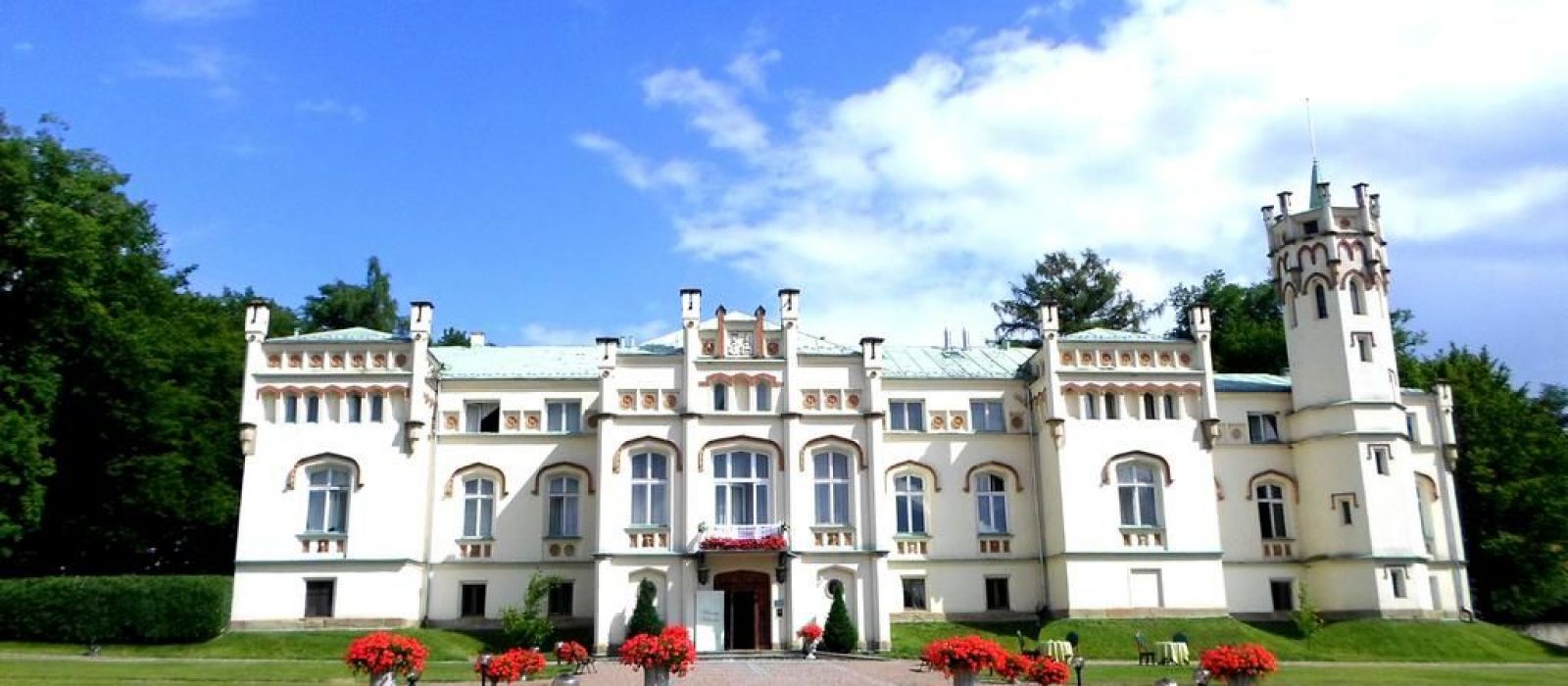
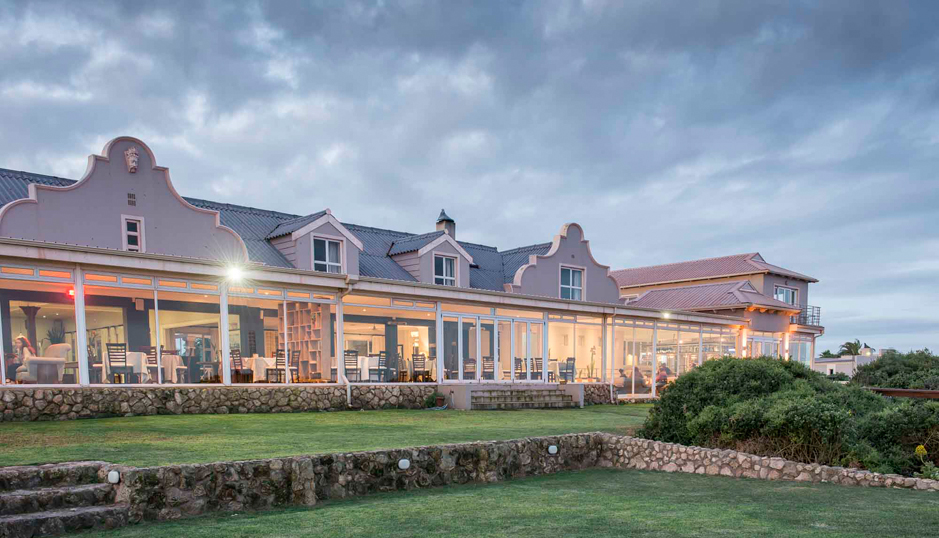
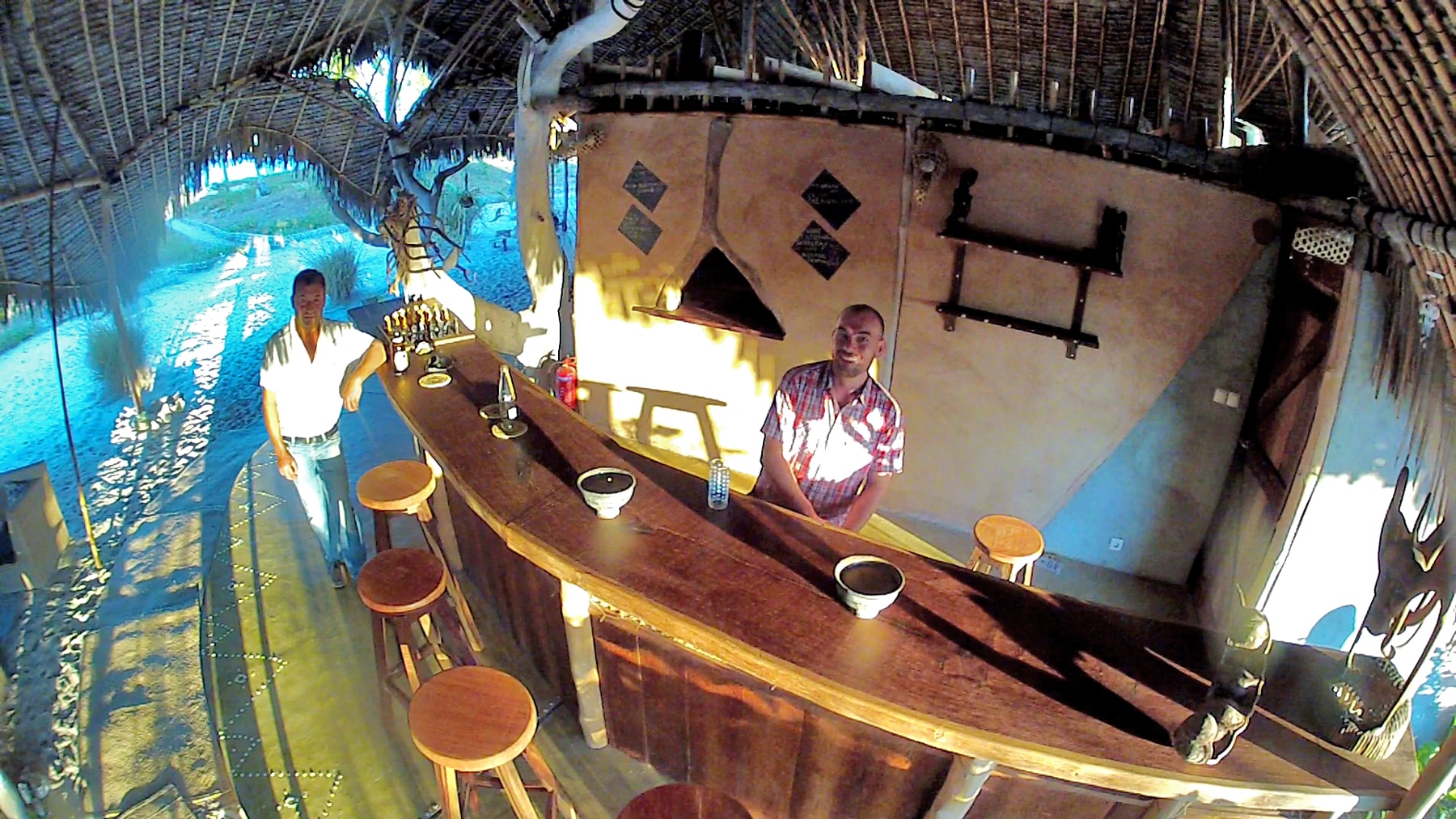
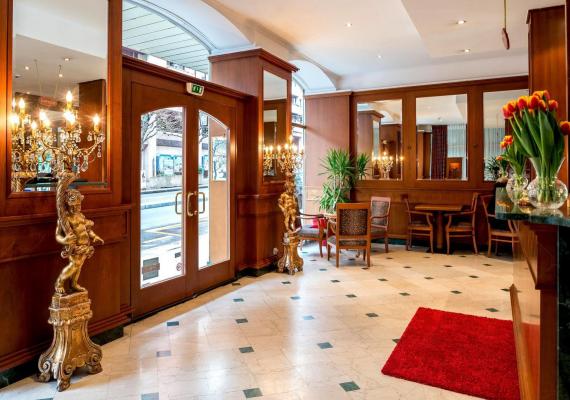
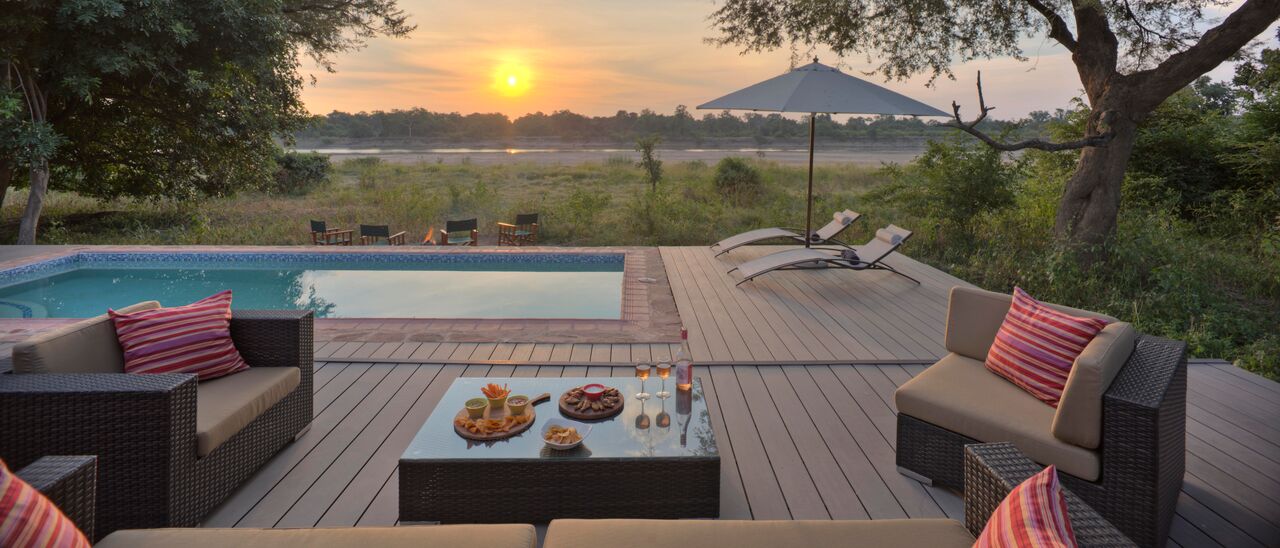
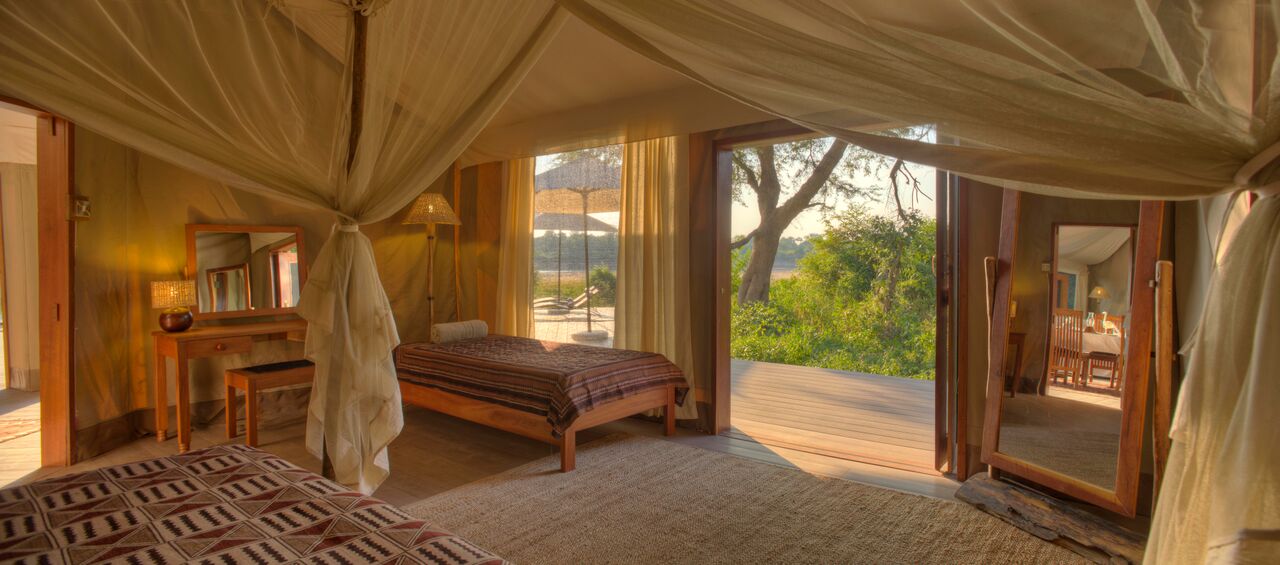
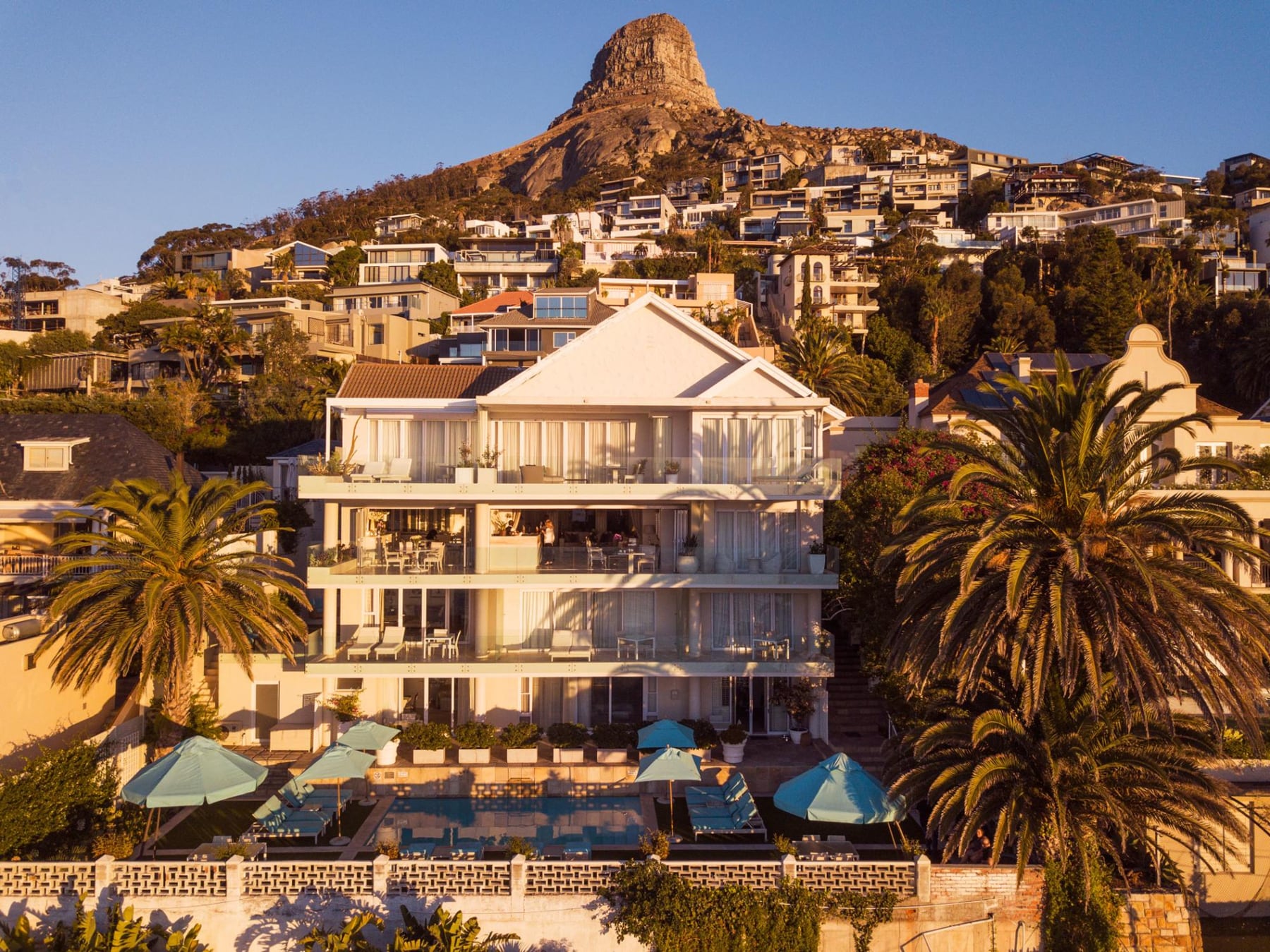
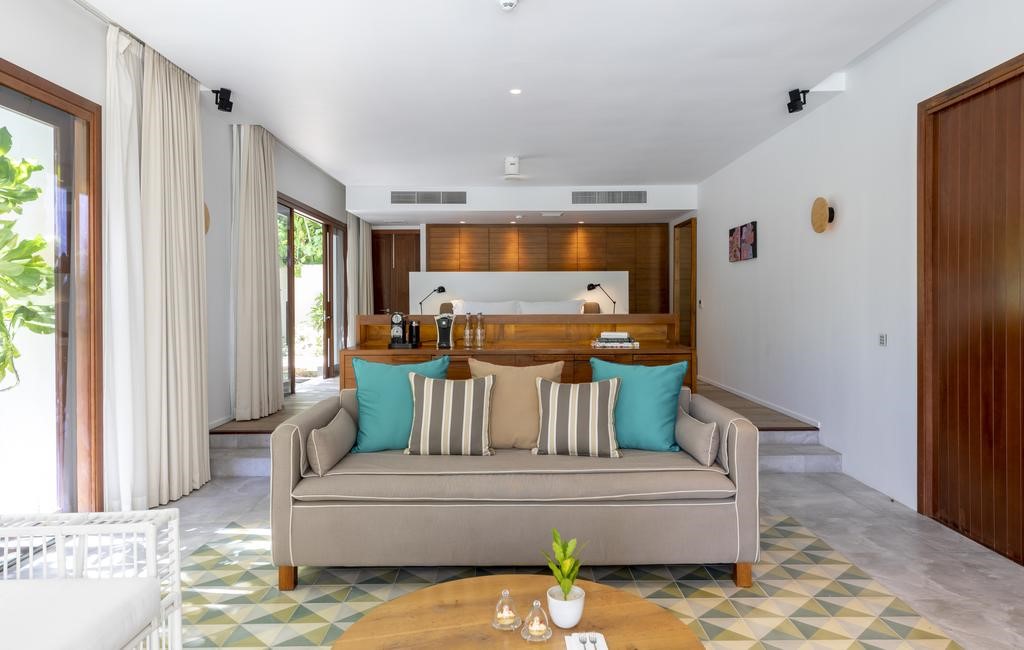




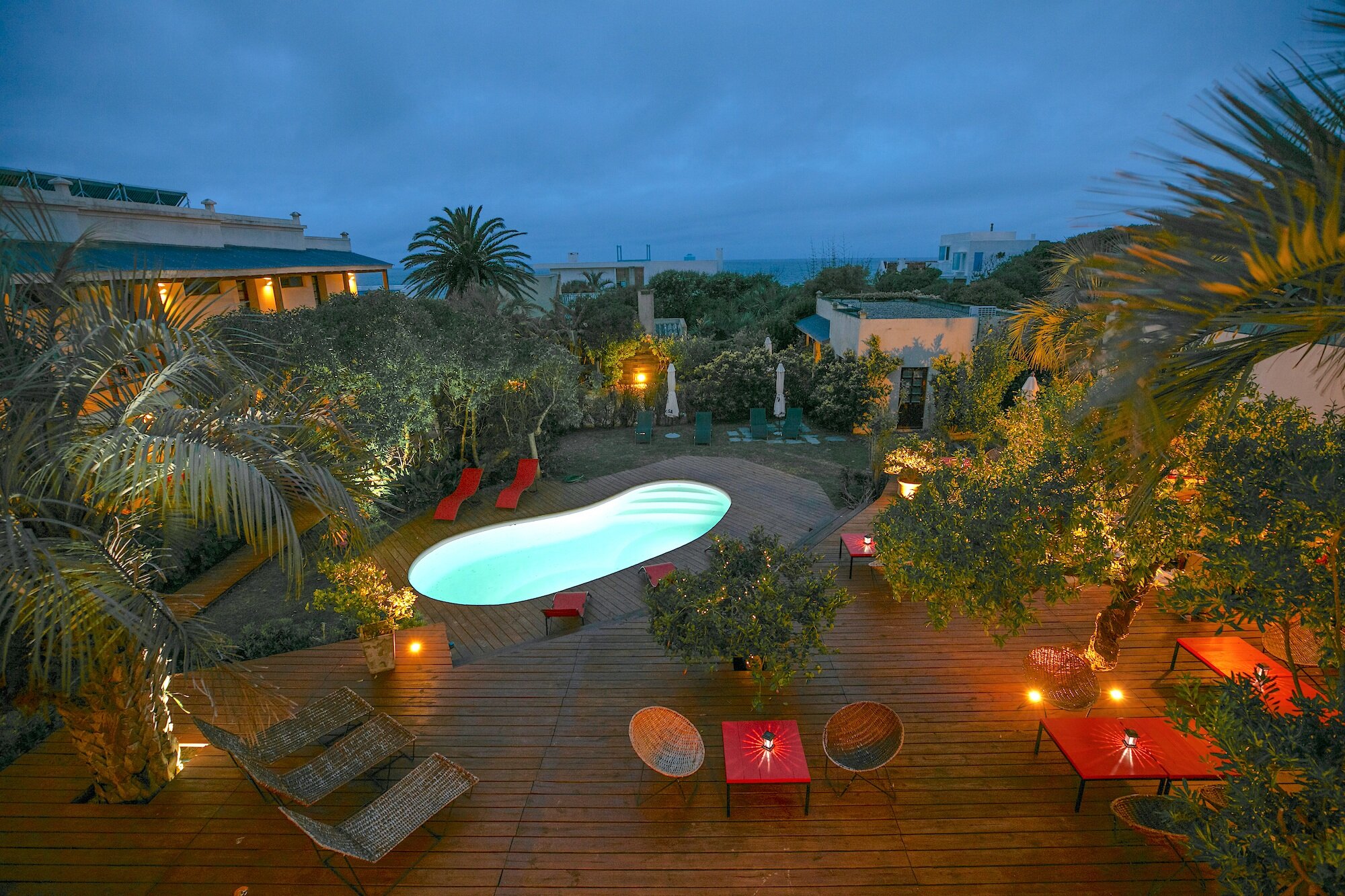
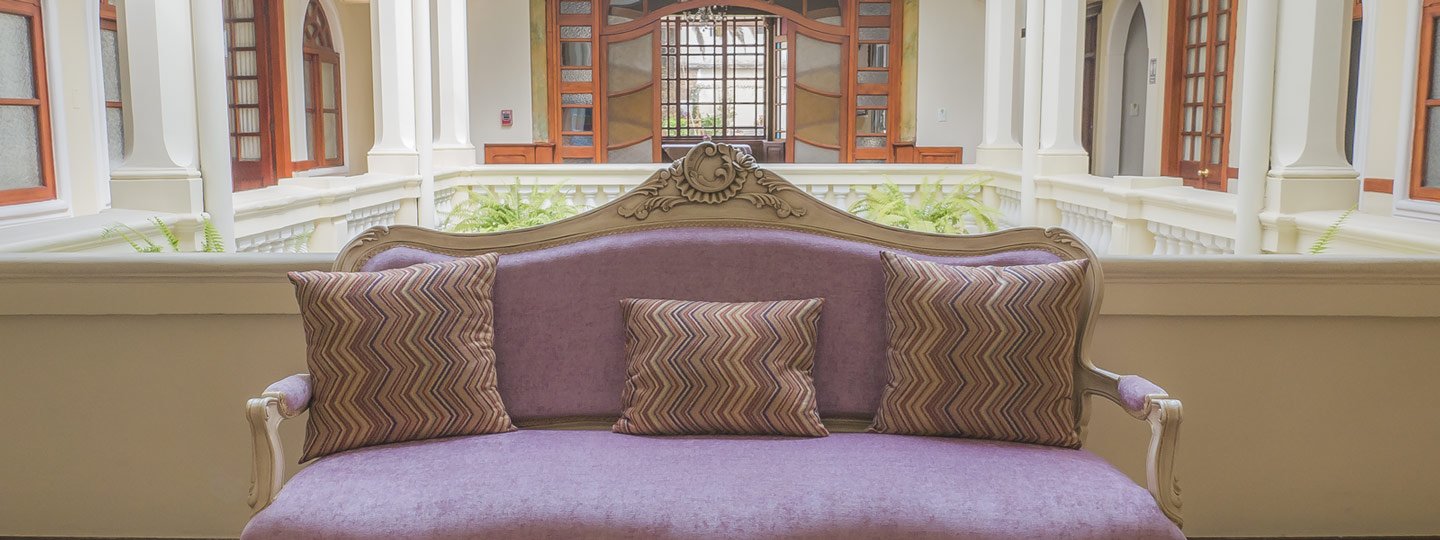
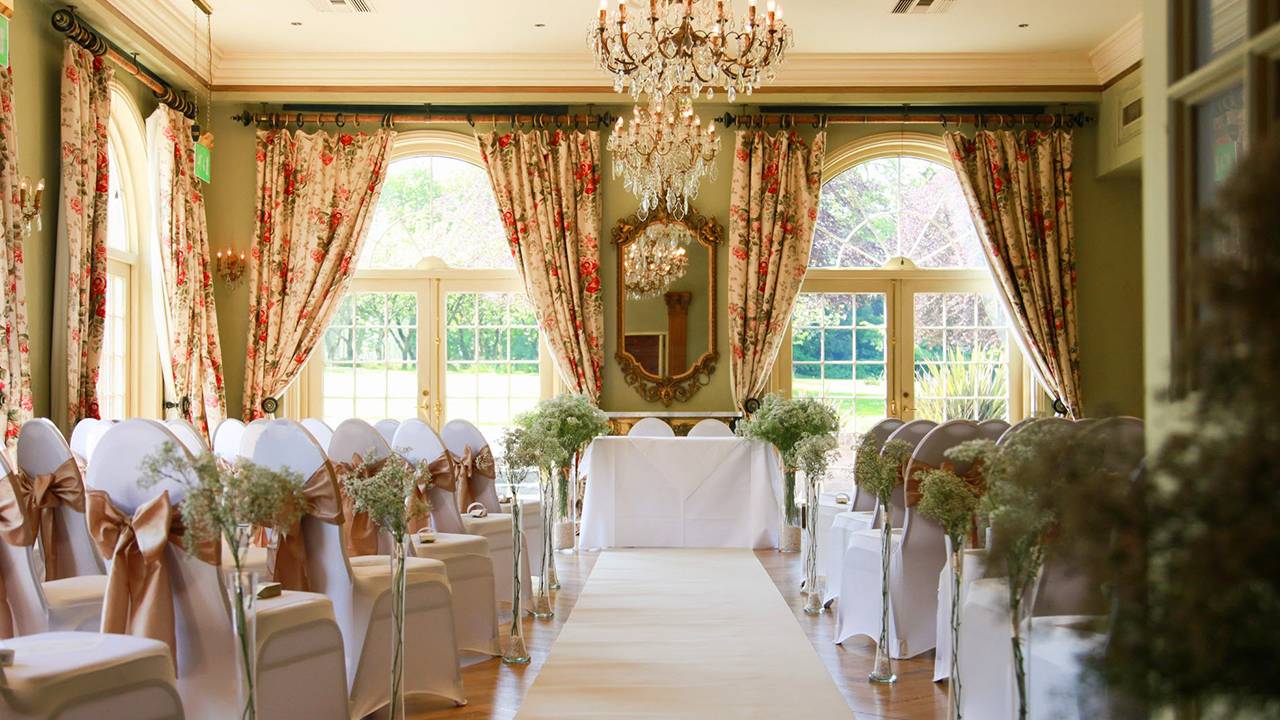
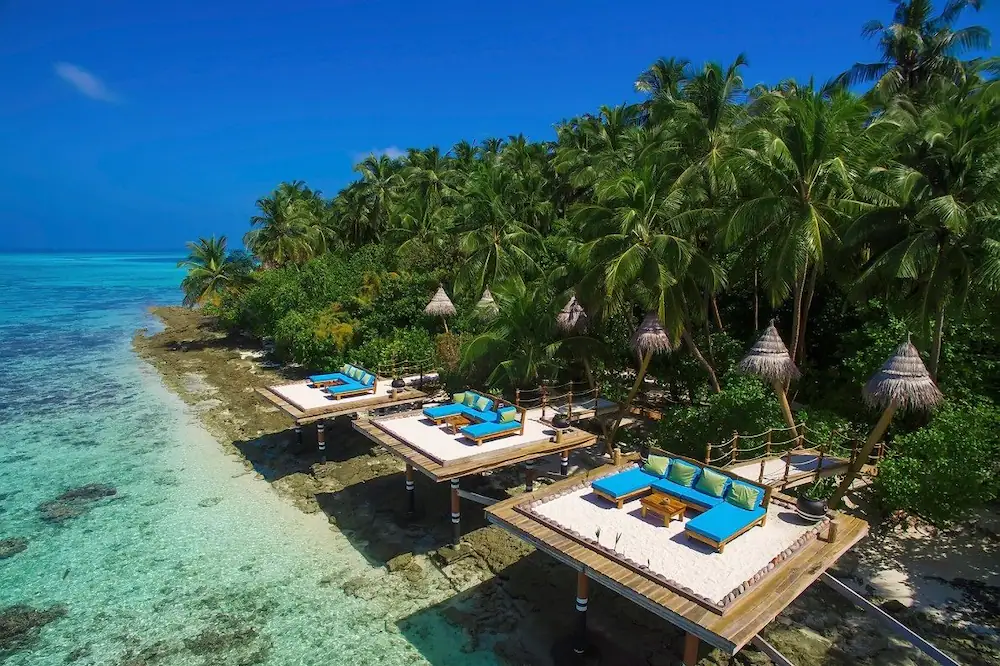
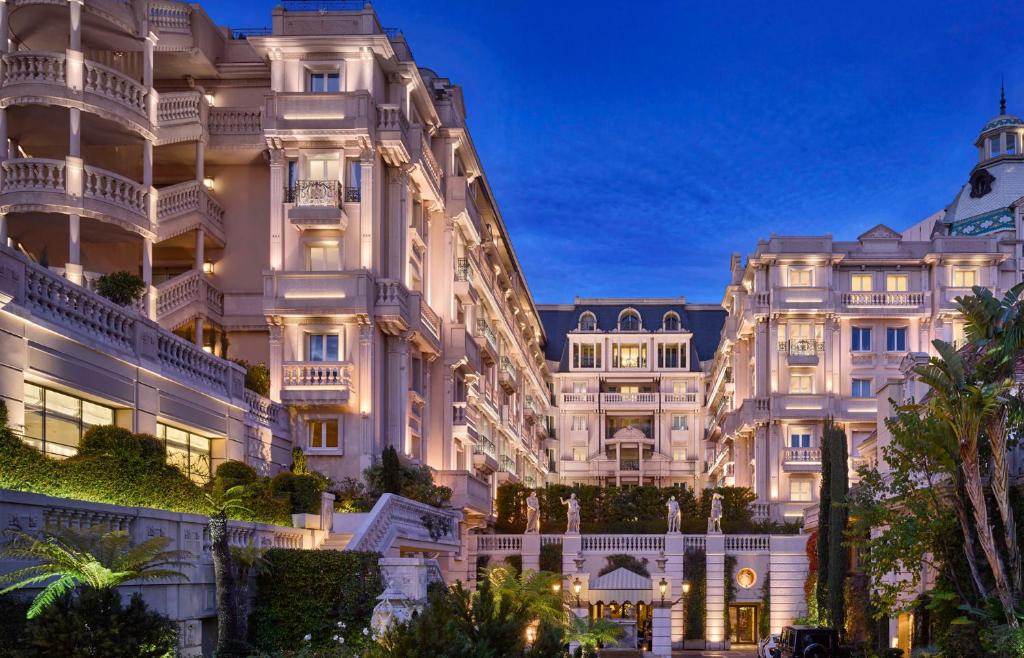

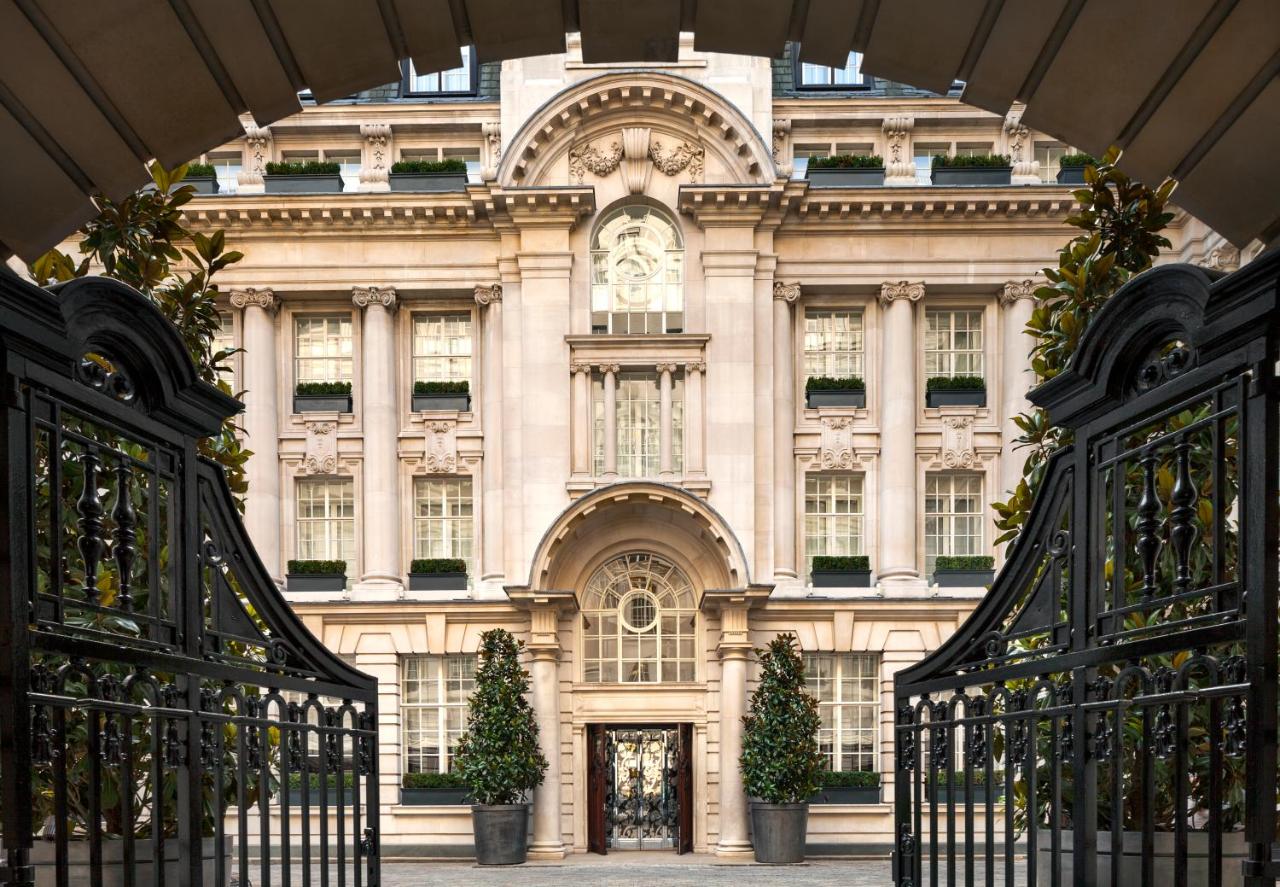

Seminyak , Bali Island, Indonesia
Agent: Cliff Jacobs - Managing Principal Property Practitioner & CEO - Exquisite Hotel Consultants (Nat.Dpl.Hotel Man (UJ). M.P.R.E.)
Agent Cellphone: +27 (0) 84 413 1071 / +27 (0) 61 716 6951
Agent Office Number: +27 (0) 84 413 1071
Agent Email Address: cliff@exquisitehotelconsultants.com
Type: Villas
Bedrooms: 6
Bathrooms: 6
Showers: 6
Parking: 0
Yield: Not Disclosed
TGCSA Rating:

Bali, Indonesia
Bali is a province of Indonesia and the westernmost of the Lesser Sunda Islands. East of Java and west of Lombok, the province includes the island of Bali and a few smaller offshore islands, notably Nusa Penida, Nusa Lembongan, and Nusa Ceningan to the southeast. The provincial capital, Denpasar, is the most populous city in the Lesser Sunda Islands and the second-largest, after Makassar, in Eastern Indonesia. The Denpasar metropolitan area is the extended metropolitan area around Denpasar. The upland town of Ubud in Greater Denpasar is considered Bali's cultural centre. The province is Indonesia's main tourist destination, with a significant rise in tourism since the 1980s, and has become the country's area of overtourism. Tourism-related business makes up 80% of the Bali economy.
Bali is the only Hindu-majority province in Indonesia, with 86.40% of the population adhering to Balinese Hinduism. It is renowned for its highly developed arts, including traditional and modern dance, sculpture, painting, leather, metalworking, and music. The Indonesian International Film Festival is held every year in Bali. Other international events that have been held in Bali include Miss World 2013, the 2018 Annual Meetings of the International Monetary Fund and the World Bank Group, and the 2022 G20 summit. In March 2017, Tripadvisor named Bali as the world's top destination in its Traveler's Choice award, which it earned once again in January 2021.
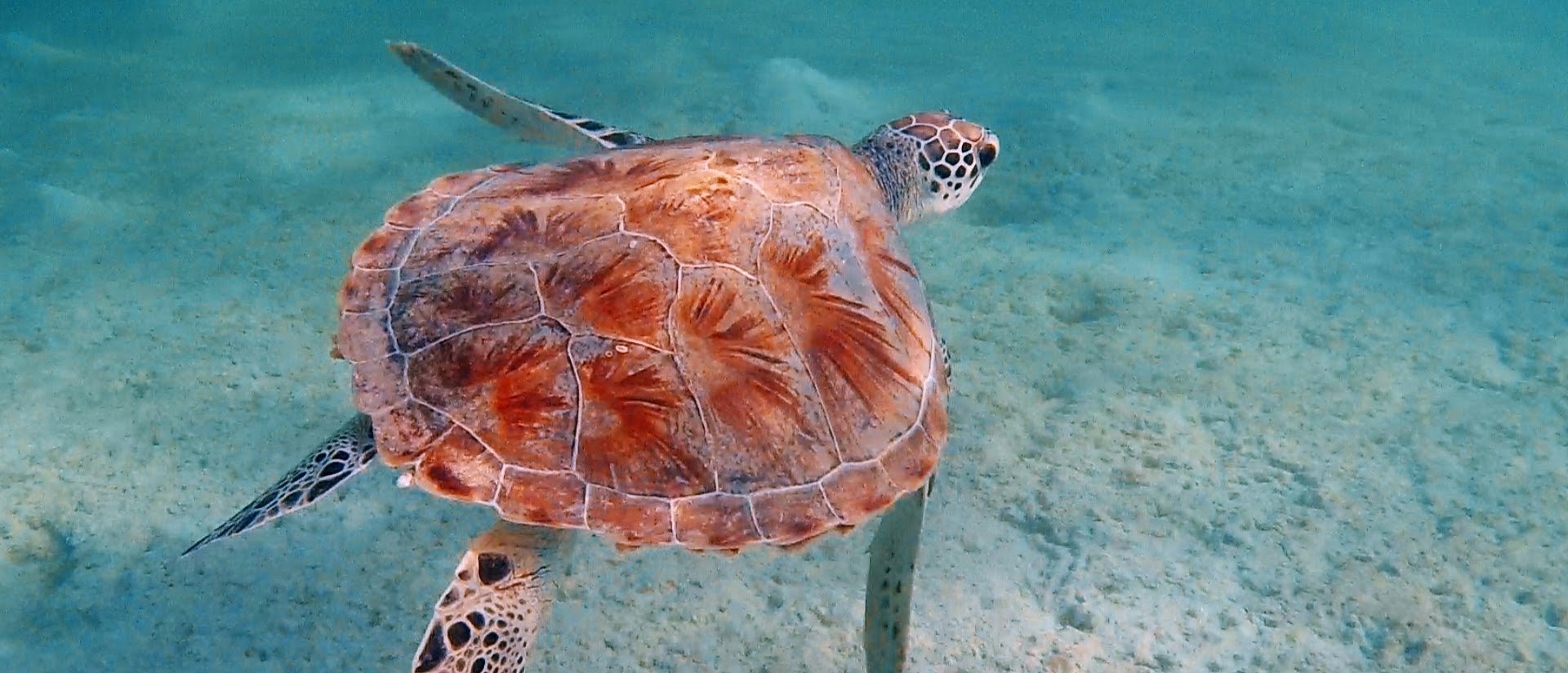
Bali is part of the Coral Triangle, an area with high diversity of marine species, especially fish and turtles. In this area alone, over 500 reef-building coral species can be found. For comparison, this is about seven times as many as in the entire Caribbean. Bali is the home of the Subak irrigation system, a UNESCO World Heritage Site. It is also home to a unified confederation of kingdoms composed of 10 traditional royal Balinese houses, each house ruling a specific geographic area. The confederation is the successor of the Bali Kingdom. The royal houses, which originated before Dutch colonisation, are not recognised by the government of Indonesia.
Etymology
The name Bali is attested in ancient Balinese inscriptions as part of the compound *Vāli-dvīpa* (or *Wāli-dvīpa*), where Sanskrit **dvīpa** (Sanskrit: द्वीप) means "island".
One of the earliest attestations of *Vāli-dvīpa* occurs in the Belanjong (Blanjong) pillar inscription, dated to Saka year 835 / Phalguna month, under King Sri Kesari Warmadewa (c. 914 CE).[23]
The precise meaning of the element *Vāli* (or *Bali*) in *Vāli-dvīpa* is not certain. Some hypothesized interpretations include:
History
Ancient
Bali was inhabited around 2000 BC by Austronesian peoples who migrated originally from the island of Taiwan to Southeast Asia and Oceania through Maritime Southeast Asia. Culturally and linguistically, the Balinese are closely related to the people of the Indonesian archipelago, Malaysia, Brunei, the Philippines, and Oceania. Stone tools dating from this time have been found near the village of Cekik in the island's west.
In ancient Bali, nine Hindu sects existed: the Pasupata, Bhairawa, Siwa Shidanta, Vaishnava, Bodha, Brahma, Resi, Sora, and Ganapatya. Each sect revered a specific deity as its personal Godhead.
Inscriptions from 896 and 911 do not mention a king until 914, when Sri Kesarivarma, a contemporary of the Kesari dynasty in the Kalinga Kingdom of ancient India, is mentioned. They also reveal an independent Bali, with a distinct dialect, being influenced by the Sanskrit and Pali languages, where Buddhism and Shaivism were practiced simultaneously. Mpu Sindok's great-granddaughter, Mahendradatta (Gunapriyadharmapatni), married the Bali king Udayana Warmadewa (Dharmodayanavarmadeva) around 989, giving birth to Airlangga around 1001. This marriage also brought more Hinduism and Javanese culture to Bali. Princess Sakalendukirana appeared in 1098. Suradhipa reigned from 1115 to 1119, and Jayasakti from 1146 until 1150. Jayapangus appears on inscriptions between 1178 and 1181, while Adikuntiketana and his son Paramesvara appear in 1204.
Balinese culture was strongly influenced by Indian, Chinese, and particularly Kalinga Hindu culture, beginning around the 1st century AD. The name Bali dwipa ("Bali island") has been discovered from various inscriptions, including the Blanjong pillar inscription written by Sri Kesari Warmadewa in 914 AD, and mentioning Walidwipa. It was during this time that the people developed their complex irrigation system, subak, to grow rice in wet-field cultivation. Some religious and cultural traditions still practiced today can be traced to this period.
The Hindu-Buddhist Majapahit Empire (1293–1520 AD) on eastern Java founded a Balinese colony in 1343. The uncle of Hayam Wuruk is mentioned in the charters of 1384–86. Mass Javanese immigration to Bali occurred in the next century when the Majapahit Empire fell in 1520. Bali's government then became an independent collection of Hindu kingdoms, which led to a Balinese national identity and major enhancements in culture, arts, and economy. The nation with various kingdoms became independent for up to 386 years until 1906, when the Dutch subjugated and repulsed the natives for economic control and took it over.
Portuguese contacts
The first known European contact with Bali is thought to have been made in 1512, when a Portuguese expedition led by Antonio Abreu and Francisco Serrão sighted its northern shores. It was the first expedition of a series of bi-annual fleets to the Moluccas, which throughout the 16th century, traveled along the coasts of the Sunda Islands. Bali was also mapped in 1512, in the chart of Francisco Rodrigues, aboard the expedition. In 1585, a ship foundered off the Bukit Peninsula and left a few Portuguese in the service of Dewa Agung.
Dutch East Indies
In 1597, the Dutch merchant-explorer Cornelis de Houtman arrived at Bali, and the Dutch East India Company was established in 1602. The Dutch government expanded its control across the Indonesian archipelago during the second half of the 19th century. Dutch political and economic control over Bali began in the 1840s on the island's north coast when the Dutch pitted various competing Balinese realms against each other. In the late 1890s, struggles between Balinese kingdoms on the island's south were exploited by the Dutch to increase their control.
In June 1860, the famous Welsh naturalist, Alfred Russel Wallace, travelled to Bali from Singapore, landing at Buleleng on the north coast of the island. Wallace's trip to Bali was instrumental in helping him devise his Wallace Line theory. The Wallace Line is a faunal boundary that runs through the strait between Bali and Lombok. It is a boundary between species. In his travel memoir The Malay Archipelago, Wallace wrote of his experience in Bali, which includes a strong mention of the unique Balinese irrigation methods:
"I was astonished and delighted; as my visit to Java was some years later, I had never beheld so beautiful and well-cultivated a district out of Europe. A slightly undulating plain extends from the seacoast about ten or twelve miles (16 or 19 kilometres) inland, where it is bounded by a fine range of wooded and cultivated hills. Houses and villages, marked out by dense clumps of coconut palms, tamarind and other fruit trees, are dotted about in every direction; while between them extend luxurious rice grounds, watered by an elaborate system of irrigation that would be the pride of the best-cultivated parts of Europe."
The Dutch mounted large naval and ground assaults at the Sanur region in 1906 and were met by the thousands of members of the royal family and their followers, who, rather than yield to the superior Dutch force, committed ritual suicide (puputan) to avoid the humiliation of surrender. Despite Dutch demands for surrender, an estimated 200 Balinese killed themselves rather than surrender. In the Dutch intervention in Bali, a similar mass suicide occurred in the face of a Dutch assault in Klungkung. Afterward, the Dutch governors exercised administrative control over the island, but local control over religion and culture generally remained intact. Dutch rule over Bali came later and was never as well established as in other parts of Indonesia, such as Java and Maluku.
In the 1930s, anthropologists Margaret Mead and Gregory Bateson, artists Miguel Covarrubias and Walter Spies, and musicologist Colin McPhee all spent time here. Their accounts of the island and its peoples created a Western image of Bali as "an enchanted land of aesthetes at peace with themselves and nature". Soon after, Western tourists began to visit the island. The sensuous image of Bali was enhanced in the West by a quasi-pornographic 1932 documentary, Virgins of Bali, about a day in the lives of two teenage Balinese girls, who the film's narrator Deane Dickason notes in the first scene "bathe their shamelessly nude bronze bodies." Under the looser version of the Hays code that existed up to 1934, nudity involving "civilised" (i.e., white) women was banned, but permitted with "uncivilised" (i.e., all non-white women), a loophole that was exploited by the producers of Virgins of Bali. The film, which mostly consisted of scenes of topless Balinese women, was a great success in 1932, and was perhaps the main catalyst for the popularity of Bali among tourists. The Dutch also dedicated significant efforts to implement Baliseering (lit. 'Balinization') politics to maintain traditions on the island, as well as preventing the Islamization of the Islamic sultanates from Java and banning Christian missionaries' activities.
Imperial Japan occupied Bali during World War II. It was not originally a target in their Netherlands East Indies Campaign; however, as the airfields on Borneo were inoperative due to heavy rains, the Imperial Japanese Army decided to occupy Bali, which did not suffer from comparable weather. The island had no regular Royal Netherlands East Indies Army (KNIL) troops. There was only a Native Auxiliary Corps Prajoda (Korps Prajoda) consisting of about 600 native soldiers and several Dutch KNIL officers under the command of KNIL Lieutenant Colonel W.P. Roodenburg. On 19 February 1942, the Japanese forces landed near the town of Sanoer (Sanur) and the island was quickly captured.
During the Japanese occupation, a Balinese military officer, I Gusti Ngurah Rai, formed a Balinese 'freedom army'. The harsh treatment of the Balinese by the Japanese occupation forces fomented more resentment than the former Dutch colonial rulers.
Independence from the Dutch
In 1945, Bali was liberated by the British 5th Infantry Division under the command of Major-General Robert Mansergh, who took the Japanese surrender. Once Japanese forces had been repatriated, the island was handed over to the Dutch the following year.
In 1946, the Dutch constituted Bali as one of the 13 administrative districts of the newly proclaimed State of East Indonesia, a rival state to the Republic of Indonesia, which was proclaimed and headed by Sukarno and Hatta. Bali was included in the "Republic of the United States of Indonesia" when the Netherlands recognised Indonesian independence on 29 December 1949. The first governor of Bali, Anak Agung Bagus Suteja, was appointed by President Sukarno in 1958, when Bali became a province.
Contemporary
The 1963 eruption of Mount Agung killed thousands, created economic havoc, and forced many displaced Balinese to be transmigrated to other parts of Indonesia. Mirroring the widening of social divisions across Indonesia in the 1950s and early 1960s, Bali saw conflict between supporters of the traditional caste system and those rejecting this system. Politically, the opposition was represented by supporters of the Indonesian Communist Party (PKI) and the Indonesian Nationalist Party (PNI), with tensions and ill-feeling further increased by the PKI's land reform programmes. A purported coup attempt in Jakarta was averted by forces led by General Suharto.
The army became the dominant power as it instigated a violent anti-communist purge backed by Western powers, in which the army blamed the PKI for the coup. Most estimates suggest that at least 500,000 people were killed across Indonesia, with an estimated 80,000 killed in Bali, equivalent to 5% of the island's population. With no Islamic forces involved as in Java and Sumatra, upper-caste PNI landlords led the extermination of PKI members.
As a result of the 1965–66 massacres, Suharto was able to manoeuvre Sukarno out of the presidency. His "New Order" government re-established relations with Western countries. The pre-war Bali, as "paradise," was revived in a modern form. The resulting large growth in tourism has led to a dramatic increase in Balinese standards of living and significant foreign exchange earned for the country.
A bombing in 2002 by militant Islamists in the tourist area of Kuta killed 202 people, mostly foreigners. This attack, and another in 2005, severely reduced tourism, producing much economic hardship on the island.
On 9 July 2008, for the first time in Bali's history, the election for governor and vice governor of Bali was democratically elected by the people of Bali directly.
On 27 November 2017, Mount Agung erupted five times, causing the evacuation of thousands, disrupting air travel, and causing much environmental damage. Further eruptions also occurred between 2018 and 2019.
On 15–16 November 2022, with the 2022 G20 Bali summit, the seventeenth meeting of the Group of Twenty (G20) was held in Nusa Dua.
Geography
The island of Bali lies 3.2 km (2.0 mi) east of Java, and is approximately 8 degrees south of the equator. Bali and Java are separated by the Bali Strait. East to west, the island is approximately 153 km (95 mi) wide and spans approximately 112 km (70 mi) north to south; administratively it covers 5,590.15 km2 (2,158.37 sq mi), or 5,387.31 km2 (2,080.05 sq mi) excluding offshore Nusa Penida District, which comprises three small islands off the southeast coast of Bali. Its population density was roughly 798 people/km2 (2,070 people/sq mi) in mid 2024.
Bali's central mountains include several peaks over 2,000 metres (6,600 feet) in elevation and active volcanoes such as Mount Batur. The highest is Mount Agung (3,031 m; 9,944 ft), known as the "mother mountain", which is an active volcano rated as one of the world's most likely sites for a massive eruption within the next 100 years. In late 2017, Mount Agung started erupting and large numbers of people were evacuated, temporarily closing the island's airport. Mountains range from centre to the eastern side, with Mount Agung the easternmost peak. Bali's volcanic nature has contributed to its exceptional fertility, and its tall mountain ranges provide the high rainfall that supports the highly productive agricultural sector. South of the mountains is a broad, steadily descending area where most of Bali's large rice crop is grown. The northern side of the mountains slopes more steeply to the sea and is the main coffee-producing area of the island, along with rice, vegetables, and cattle. The longest river, Ayung River, flows approximately 75 km (47 mi) (see List of rivers of Bali).
The island is surrounded by coral reefs. Beaches in the south tend to have white sand, while those in the north and west have black sand. Bali has no major waterways, although the Ho River is navigable by small sampan boats. Black sand beaches between Pasut and Klatingdukuh are being developed for tourism, but apart from the seaside temple of Tanah Lot, they are not yet used for significant tourism.
The largest city is the provincial capital, Denpasar, near the southern coast. Its population is around 755,600 (in mid 2024). Bali's second-largest city is the old colonial capital, Singaraja, which is located on the north coast and whose urban area is home to around 150,000 people in 2024. Other important cities include the beach resort, Kuta, which is practically part of Denpasar's urban area, and Ubud, situated at the north of Denpasar, which is regarded as the island's cultural centre.
Three small islands lie to the immediate south-east and all are administratively part of the Klungkung regency of Bali: Nusa Penida, Nusa Lembongan and Nusa Ceningan. These islands are separated from Bali by the Badung Strait.
To the east, the Lombok Strait separates Bali from Lombok and marks the biogeographical division between the fauna of the Indomalayan realm and the distinctly different fauna of Australasia. The transition is known as the Wallace Line, named after Alfred Russel Wallace, who first proposed a transition zone between these two major biomes. When sea levels dropped during the Pleistocene ice age, Bali was connected to Java and Sumatra and to the mainland of Asia and shared the Asian fauna, but the deep water of the Lombok Strait continued to keep Lombok Island and the Lesser Sunda archipelago isolated.
Climate
Being just 8 degrees south of the equator, Bali has a fairly even climate all year round. Average year-round temperature stands at around 30 °C (86 °F) with a humidity level of about 85%.
Daytime temperatures at low elevations vary between 20 and 33 °C (68 and 91 °F), but the temperatures decrease significantly with increasing elevation.
The west monsoon is in place from approximately October to April, and this can bring significant rain, particularly from December to March. During the rainy season, there are comparatively fewer tourists seen in Bali. During the Easter and Christmas holidays, the weather is very unpredictable. Outside of the monsoon period, humidity is relatively low and any rain is unlikely in lowland areas.
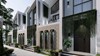
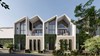
About Arya Seminyak Villas
1 Type of villa - 2 levels.
Anual ROI up to18% - High protability of rental properties.
Starting price $174,990 - Join the comunity, with benefits for life.
Pay 10% of the property from rental income or resell profit.
SPECIAL OFFER FOR ARYA SEMINYAK VILLA
10% or resale profit
30% of the cost of the apartment before the end of construction,
10% can be paid from the rental fees or resale profit
Stratigic Arya Villas - Seminyak
Location: Key Distances
(Travel times are approximate and subject to traffic conditions)
Arya Properties portfolio
400+ Real estate units
Why invest with Arya Properties?
About Bali - The Island of the Gods
Bali is Indonesia’s most iconic destination, celebrated for its Hindu culture, scenic landscapes, and booming tourism. Known as the Island of Gods, Bali is a harmonious blend of ancient traditions and modern luxury, making it a magnet for tourists and investors alike.
Beyond the established areas of Ubud, Seminyak, and Canggu, there are additional investment hotspots emerging as lucrative opportunities:
Economy
Bali’s economy relies heavily on tourism, which contributes 80% of its GDP. The island is a gateway to Indonesia, hosting Ngurah Rai International Airport, one of the busiest in Southeast Asia, serving over 20 million passengers annually.
Strong infrastructure development
Including highways, luxury resorts, and international schools, supports Bali’s position as a global investment hub. Bali received over 6.3 million international tourists in 2019, recovering to 4.3 million in 2023 after the pandemic (60% recovery rate).
Demographics of Visitors
Bali’s rich cultural heritage sets it apart
Ceremonies and Festivals: Daily rituals and festivals like Nyepi (Day of Silence) and Galungan attract cultural tourism.
Balinese Dance and Art Renowned worldwide
These traditional art forms draw tourists to performances and galleries.
Why invest in Indonesia?
Global Appeal
As the fourth most populous country, Indonesia is a key player in the global market. Its unique position between the Indian and Pacific Oceans makes it a strategic gateway to Asia, Australia, and beyond.
Economic Strength
Indonesia’s GDP ranks among the top 20 in the world, with consistent growth driven by sectors like tourism, real estate, and digital innovation.
Tourism Magnet
With destinations like Bali and Lombok attracting millions of visitors annually, Indonesia is a global hotspot for travelers seeking luxury, adventure, and cultural experiences.
Pro-Investment Policies
Indonesia's government actively supports foreign investment through simplified regulations, tax incentives, and infrastructure development initiatives.



















































Cliff Jacobs (Nat Dpl Hotel Man (UJ). MPRE. GA Level 5 TEFL) Managing Principal / CEO Exquisite Hotel Consultants (Pty) Ltd Mobile: +27 (0) 84 413 1071 / +27 (0) 61 716 6951 Email: cliff@exquisitehotelconsultants.com Web: https://www.exquisitehotelconsultants.com © All rights reserved Terms and Conditions apply Scroll down to view our Hospitality Properties and Businesses for sale or lease or lease-to-buy or partnership arrangement or management agreement arrangement.
