The City of London is known colloquially as the Square Mile, as it is 1.12 sq mi (716.80 acres; 2.90 km2) in area. Both the terms the City and the Square Mile are often used as metonyms for the UK's trading and financial services industries, which continue a notable history of being largely based in the City. The nameLondon is now ordinarily used for a far wider area than just the City. London most often denotes the sprawling London metropolis, or the 32 Greater London boroughs, in addition to the City of London itself.
The City is a major business and financial centre, with both the Bank of England and the London Stock Exchange based in the City. Throughout the 19th century, the City was the world's primary business centre, and it continues to be a major meeting point for businesses. London came second (after New York) in the Global Financial Centres Index, published in 2022. The insurance industry is located in the eastern side of the city, around Lloyd's building. Since about the 1980s, a secondary financial district has existed outside the city, at Canary Wharf, 2.5 miles (4 km) to the east. The legal profession forms a major component of the northern and western sides of the City, especially in the Temple and Chancery Lane areas where the Inns of Court are located, of which two—Inner Temple and Middle Temple—fall within the City of London boundary.
The City has a resident population of 8,583 based on 2021 census figures, but over 500,000 are employed there (as of 2019) and some estimates put the number of workers in the City to be over 1 million. About three-quarters of the jobs in the City of London are in the financial, professional, and associated business services sectors.
History
Origins
The Roman legions established a settlement known as "Londinium" on the current site of the City of London around AD 43. Its bridge over the River Thames turned the city into a road nexus and major port, serving as a major commercial centre in Roman Britain until its abandonment during the 5th century. Archaeologist Leslie Wallace notes that, because extensive archaeological excavation has not revealed any signs of a significant pre-Roman presence, "arguments for a purely Roman foundation of London are now common and uncontroversial."
At its height, the Roman city had a population of approximately 45,000–60,000 inhabitants. Londinium was an ethnically diverse city, with inhabitants from across the Roman Empire, including natives of Britannia, continental Europe, the Middle East, and North Africa. The Romans built the London Wall some time between AD 190 and 225. The boundaries of the Roman city were similar to those of the City of London today, though the City extends further west than Londinium's Ludgate, and the Thames was undredged and thus wider than it is today, with Londinium's shoreline slightly north of the city's present shoreline. The Romans built a bridge across the river, as early as AD 50, near to today's London Bridge.
Decline
By the time the London Wall was constructed, the city's fortunes were in decline, and it faced problems of plague and fire. The Roman Empire entered a long period of instability and decline, including the Carausian Revolt in Britain. In the 3rd and 4th centuries, the city was under attack from Picts, Scots, and Saxon raiders. The decline continued, both for Londinium and the Empire, and in AD 410 the Romans withdrew entirely from Britain. Many of the Roman public buildings in Londinium by this time had fallen into decay and disuse, and gradually after the formal withdrawal the city became almost (if not, at times, entirely) uninhabited. The centre of trade and population moved away from the walled Londinium to Lundenwic ("London market"), a settlement to the west, roughly in the modern-day Strand/Aldwych/Covent Garden area.
Anglo-Saxon restoration
During the Anglo-Saxon Heptarchy, the London area came in turn under the Kingdoms of Essex, Mercia, and later Wessex, though from the mid 8th century it was frequently under threat from raids by different groups including the Vikings.
Bede records that in AD 604 St Augustine consecrated Mellitus as the first bishop to the Anglo-Saxon kingdom of the East Saxons and their king, Sæberht. Sæberht's uncle and overlord, Æthelberht, king of Kent, built a church dedicated to St Paul in London, as the seat of the new bishop. It is assumed, although unproven, that this first Anglo-Saxon cathedral stood on the same site as the later medieval and the present cathedrals.
Alfred the Great, King of Wessex occupied and began the resettlement of the old Roman walled area, in 886, and appointed his son-in-law Earl Æthelred of Mercia over it as part of their reconquest of the Viking occupied parts of England. The refortified Anglo-Saxon settlement was known as Lundenburh ("London Fort", a borough). The historian Asser said that "Alfred, king of the Anglo-Saxons, restored the city of London splendidly ... and made it habitable once more." Alfred's "restoration" entailed reoccupying and refurbishing the nearly deserted Roman walled city, building quays along the Thames, and laying a new city street plan.
Alfred's taking of London and the rebuilding of the old Roman city was a turning point in history, not only as the permanent establishment of the City of London, but also as part of a unifying moment in early England, with Wessex becoming the dominant English kingdom and the repelling (to some degree) of the Viking occupation and raids. While London, and indeed England, were afterwards subjected to further periods of Viking and Danish raids and occupation, the establishment of the City of London and the Kingdom of England prevailed.
In the 10th century, Athelstan permitted eight mints to be established, compared with six in his capital, Winchester, indicating the wealth of the city. London Bridge, which had fallen into ruin following the Roman evacuation and abandonment of Londinium, was rebuilt by the Saxons, but was periodically destroyed by Viking raids and storms.
As the focus of trade and population was moved back to within the old Roman walls, the older Saxon settlement of Lundenwic was largely abandoned and gained the name of Ealdwic (the "old settlement"). The name survives today as Aldwych (the "old market-place"), a name of a street and an area of the City of Westminster between Westminster and the City of London.
Medieval era
Following the Battle of Hastings, William the Conqueror marched on London, reaching as far as Southwark, but failed to get across London Bridge or defeat the Londoners. He eventually crossed the River Thames at Wallingford, pillaging the land as he went. Rather than continuing the war, Edgar the Ætheling, Edwin of Mercia and Morcar of Northumbria surrendered at Berkhamsted. William granted the citizens of London a charter in 1075; the city was one of a few examples of the English retaining some authority. The city was not covered by the Domesday Book.
William built three castles around the city, to keep Londoners subdued:
About 1130, Henry I granted a sheriff to the people of London, along with control of the county of Middlesex: this meant that the two entities were regarded as one administratively for addressing crime and keeping the peace (not that the county was a dependency of the city) until the Local Government Act 1888. By 1141 the whole body of the citizenry was considered to constitute a single community. This 'commune' was the origin of the City of London Corporation and the citizens gained the right to appoint, with the king's consent, a mayor in 1189—and to directly elect the mayor from 1215.
From medieval times, the city has been composed of 25 ancient wards, each headed by an alderman, who chairs Wardmotes, which still take place at least annually. A Folkmoot, for the whole of the City held at the outdoor cross of St Paul's Cathedral, was formerly also held. Many of the medieval offices and traditions continue to the present day, demonstrating the unique nature of the City and its Corporation.
In 1381, the Peasants' Revolt affected London. The rebels took the City and the Tower of London, but the rebellion ended after its leader, Wat Tyler, was killed during a confrontation that included Lord Mayor William Walworth. In 1450, rebel forces again occupied the City during Jack Cade's Rebellion before being ousted by London citizens following a bloody battle on London Bridge. In 1550, the area south of London Bridge in Southwark came under the control of the City with the establishment of the ward of Bridge Without.
The city was burnt severely on a number of occasions, the worst being in 1123 and in the Great Fire of London in 1666. Both of these fires were referred to as the Great Fire. After the fire of 1666, a number of plans were drawn up to remodel the city and its street pattern into a renaissance-style city with planned urban blocks, squares and boulevards. These plans were almost entirely not taken up, and the medieval street pattern re-emerged almost intact.
Early modern period
In the 1630s the Crown sought to have the Corporation of the City of London extend its jurisdiction to surrounding areas. In what is sometimes called the "great refusal", the Corporation said no to the King, which in part accounts for its unique government structure to the present.
By the late 16th century, London increasingly became a major centre for banking, international trade and commerce. The Royal Exchange was founded in 1565 by Sir Thomas Gresham as a centre of commerce for London's merchants, and gained Royal patronage in 1571. Although no longer used for its original purpose, its location at the corner of Cornhill and Threadneedle Street continues to be the geographical centre of the city's core of banking and financial services, with the Bank of England moving to its present site in 1734, opposite the Royal Exchange. Immediately to the south of Cornhill, Lombard Street was the location from 1691 of Lloyd's Coffee House, which became the world-leading insurance market. London's insurance sector continues to be based in the area, particularly in Lime Street.
In 1708, Christopher Wren's masterpiece, St Paul's Cathedral, was completed on his birthday. The first service had been held on 2 December 1697, more than 10 years earlier. It replaced the original St Paul's, which had been completely destroyed in the Great Fire of London, and is considered to be one of the finest cathedrals in Britain and a fine example of Baroque architecture.
Growth of London
The 18th century was a period of rapid growth for London, reflecting an increasing national population, the early stirrings of the Industrial Revolution, and London's role at the centre of the evolving British Empire. The urban area expanded beyond the borders of the City of London, most notably during this period towards the West End and Westminster.
Expansion continued and became more rapid by the beginning of the 19th century, with London growing in all directions. To the East the Port of London grew rapidly during the century, with the construction of many docks, needed as the Thames at the City could not cope with the volume of trade. The arrival of the railways and the Tube meant that London could expand over a much greater area. By the mid-19th century, with London still rapidly expanding in population and area, the City had already become only a small part of the wider metropolis.
The city's population fell rapidly in the 19th century and through most of the 20th century, as people moved outwards in all directions to London's vast suburbs, and many residential buildings were demolished to make way for office blocks. Like many areas of London and other British cities, the City fell victim to large scale and highly destructive aerial bombing during World War II, especially in the Blitz. Whilst St Paul's Cathedral survived the onslaught, large swathes of the area did not and the particularly heavy raids of late December 1940 led to a firestorm called the Second Great Fire of London.
There was a major rebuilding programme in the decades following the war, in some parts (such as at the Barbican) dramatically altering the urban landscape. But the destruction of the older historic fabric allowed the construction of modern and larger-scale developments, whereas in those parts not so badly affected by bomb damage the City retains its older character of smaller buildings. The street pattern, which is still largely medieval, was altered slightly in places, although there is a more recent trend of reversing some of the post-war modernist changes made, such as at Paternoster Square.
The City suffered terrorist attacks including the 1993 Bishopsgate bombing (IRA) and the 7 July 2005 London bombings (Islamist). In response to the 1993 bombing, a system of road barriers, checkpoints and surveillance cameras referred to as the "ring of steel" has been maintained to control entry points to the city.
The 1970s saw the construction of tall office buildings including the 600-foot (183 m), 47-storey NatWest Tower, the first skyscraper in the UK. By the 2010s, office space development had intensified in the City, especially in the central, northern and eastern parts, with skyscrapers including 30 St. Mary Axe ("the Gherkin"'), Leadenhall Building ("the Cheesegrater"), 20 Fenchurch Street ("the Walkie-Talkie"), the Broadgate Tower, the Heron Tower and 22 Bishopsgate.
The main residential section of the City today is the Barbican Estate, constructed between 1965 and 1976. The Museum of London was based there until March 2023 (due to reopen in West Smithfield in 2026), whilst a number of other services provided by the corporation are still maintained on the Barbican Estate.
The boundary of the City
The size of the city was constrained by a defensive perimeter wall, known as London Wall, which was built by the Romans in the late 2nd century to protect their strategic port city. However the boundaries of the City of London no longer coincide with the old city wall, as the City expanded its jurisdiction slightly over time. During the medieval era, the city's jurisdiction expanded westwards, crossing the historic western border of the original settlement—the River Fleet—along Fleet Street to Temple Bar. The city also took in the other "City bars" which were situated just beyond the old walled area, such as at Holborn, Aldersgate, West Smithfield, Bishopsgate and Aldgate. These were the important entrances to the city and their control was vital in maintaining the city's special privileges over certain trades.
Most of the wall has disappeared, but several sections remain visible. A section near the Museum of London was revealed after the devastation of an air raid on 29 December 1940 at the height of the Blitz. Other visible sections are at St Alphage, and there are two sections near the Tower of London. The River Fleet was canalised after the Great Fire of 1666 and then in stages was bricked up and has been since the 18th century one of London's "lost rivers or streams", today underground as a storm drain.
The boundary of the city was unchanged until minor boundary changes on 1 April 1994, when it expanded slightly to the west, north and east, taking small parcels of land from the London Boroughs of Westminster, Camden, Islington, Hackney and Tower Hamlets. The main purpose of these changes was to tidy up the boundary where it had been rendered obsolete by changes in the urban landscape. In this process the city also lost small parcels of land, though there was an overall net gain (the City grew from 1.05 to 1.12 square miles). Most notably, the changes placed the (then recently developed) Broadgate estate entirely in the city.
Southwark, to the south of the city on the other side of the Thames, was within the City between 1550 and 1899 as the Ward of Bridge Without, a situation connected with the Guildable Manor. The city's administrative responsibility there had in practice disappeared by the mid-Victorian period as various aspects of metropolitan government were extended into the neighbouring areas. Today it is part of the London Borough of Southwark. The Tower of London has always been outside the city and comes under the London Borough of Tower Hamlets.
Climate
The nearest weather station has historically been the London Weather Centre at Kingsway/ Holborn, although observations ceased in 2010. Now St. James Park provides the nearest official readings.
The city has an oceanic climate (Köppen "Cfb") modified by the urban heat island in the centre of London. This generally causes higher night-time minima than outlying areas. For example, the August mean minimum of 14.7 °C (58.5 °F) compares to a figure of 13.3 °C (55.9 °F) for Greenwich and Heathrow whereas is 11.6 °C (52.9 °F) at Wisley in the middle of several square miles of Metropolitan Green Belt. All figures refer to the observation period 1971–2000.
Accordingly, the weather station holds the record for the UK's warmest overnight minimum temperature, 24.0 °C (75.2 °F), recorded on 4 August 1990.The maximum is 37.6 °C (99.7 °F), set on 10 August 2003. The absolute minimum for the weather station is a mere −8.2 °C (17.2 °F), compared to readings around −15.0 °C (5.0 °F) towards the edges of London. Unusually, this temperature was during a windy and snowy cold spell (mid-January 1987), rather than a cold clear night—cold air drainage is arrested due to the vast urban area surrounding the city.
The station holds the record for the highest British mean monthly temperature, 24.5 °C (76.1 °F) (mean maximum 29.2 °C (84.6 °F), mean minimum 19.7 °C (67.5 °F) during July 2006). However, in terms of daytime maximum temperatures, Cambridge NIAB and Botanical Gardens with a mean maximum of 29.1 °C (84.4 °F), and Heathrow with 29.0 °C (84.2 °F) all exceeded this.
London's foreign exchange market has been described by Reuters as 'the crown jewel of London's financial sector'. Of the $3.98 trillion daily global turnover, as measured in 2009, trading in London accounted for around $1.85 trillion, or 46.7% of the total. The pound sterling, the currency of the United Kingdom, is globally the fourth-most traded currency and the fourth most held reserve currency.
Canary Wharf, a few miles east of the City in Tower Hamlets, which houses many banks and other institutions formerly located in the Square Mile, has since 1991 become another centre for London's financial services industry. Although growth has continued in both locations, and there have been relocations in both directions, the Corporation has come to realise that its planning policies may have been causing financial firms to choose Canary Wharf as a location.
In 2022, 12.3% of City of London residents had been granted non-domicile status in order to avoid their paying tax in the UK.
Whilst the financial sector, and related businesses and institutions, continue to dominate, the economy is not limited to that sector. The legal profession has a strong presence, especially in the west and north (i.e., towards the Inns of Court). Retail businesses were once important, but have gradually moved to the West End of London, though it is now Corporation policy to encourage retailing in some locations, for example at Cheapside near St Paul's. The city has a number of visitor attractions, mainly based on its historic heritage as well as the Barbican Centre and adjacent Museum of London, though tourism is not at present a major contributor to the city's economy or character. The city has many pubs, bars and restaurants, and the "night-time" economy does feature in the Bishopsgate area, towards Shoreditch. The meat market at Smithfield, wholly within the city, continues to be one of London's main markets (the only one remaining in central London) and the country's largest meat market. In the east is Leadenhall Market, a fresh food market that is also a visitor attraction.
Retail and residential
The trend for purely office development is beginning to reverse as the Corporation encourages residential use, albeit with development occurring when it arises on windfall sites. The city has a target of 90 additional dwellings per year. Some of the extra accommodation is in small pre-World War IIlisted buildings, which are not suitable for occupation by the large companies which now provide much of the city's employment. Recent residential developments include "the Heron", a high-rise residential building on the Milton Court site adjacent to the Barbican, and the Heron Plaza development on Bishopsgate is also expected to include residential parts.
Since the 1990s, the City has diversified away from near exclusive office use in other ways. For example, several hotels and the first department store opened in the 2000s. A shopping centre was more recently opened at One New Change, Cheapside (near St Paul's Cathedral) in October 2010, which is open seven days a week. However, large sections remain quiet at weekends, especially in the eastern section, and it is quite common to find shops, pubs and cafes closed on these days.
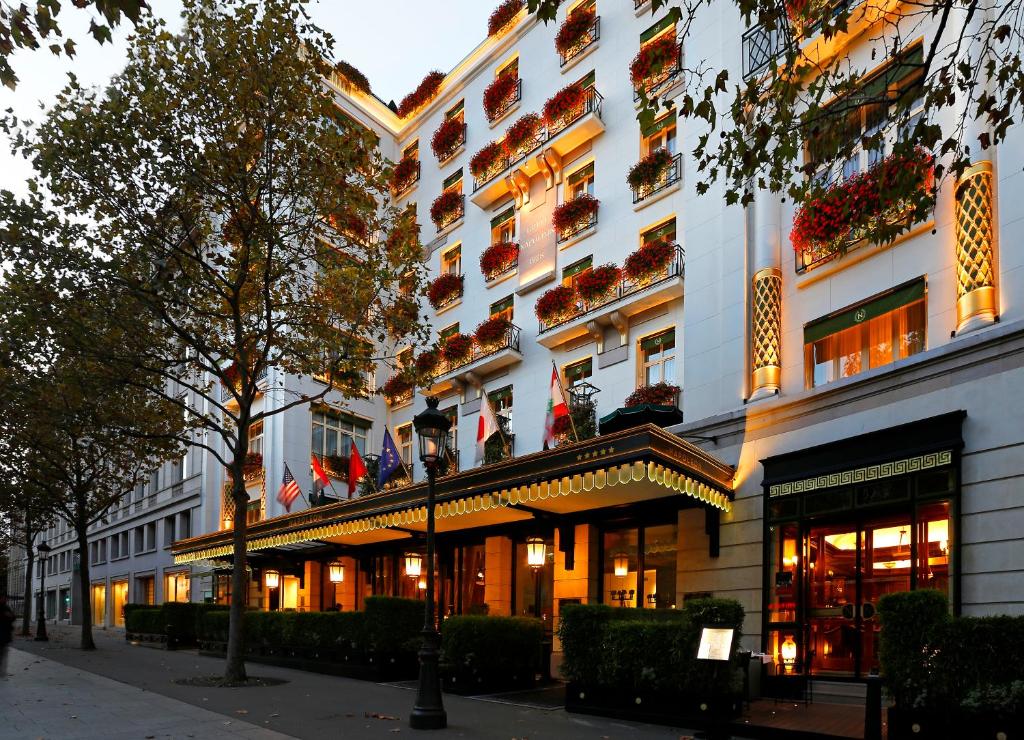
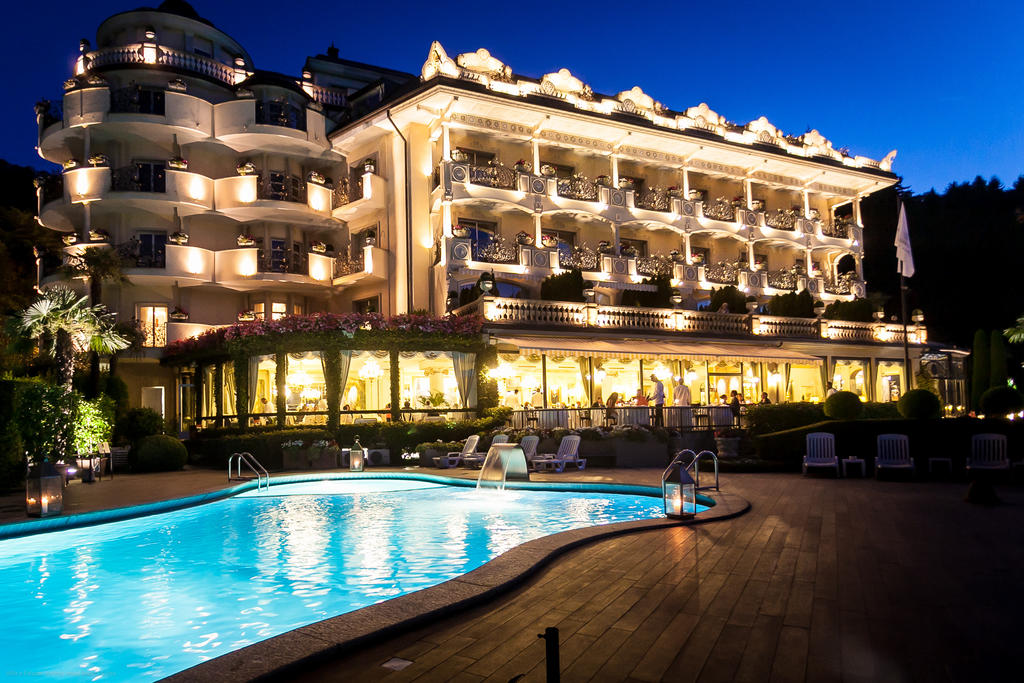
Steeped in Edwardian heritage and renowned for its unique blend of grandeur and intimacy, our hotel offers a captivating fusion of historic charm and modern comfort. With luxurious accommodations, impeccable service, and a prime location just moments from Hyde Park, we invite you to experience the allure of London’s past while indulging in the luxury of the present.
Edwardian Elegance and Royal Heritage. Discover the Rich History of our hotel in Hyde Park
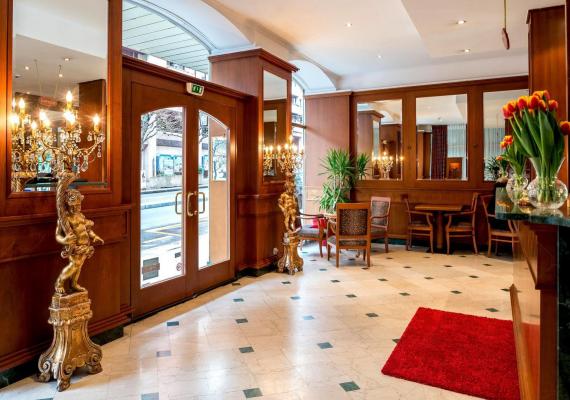
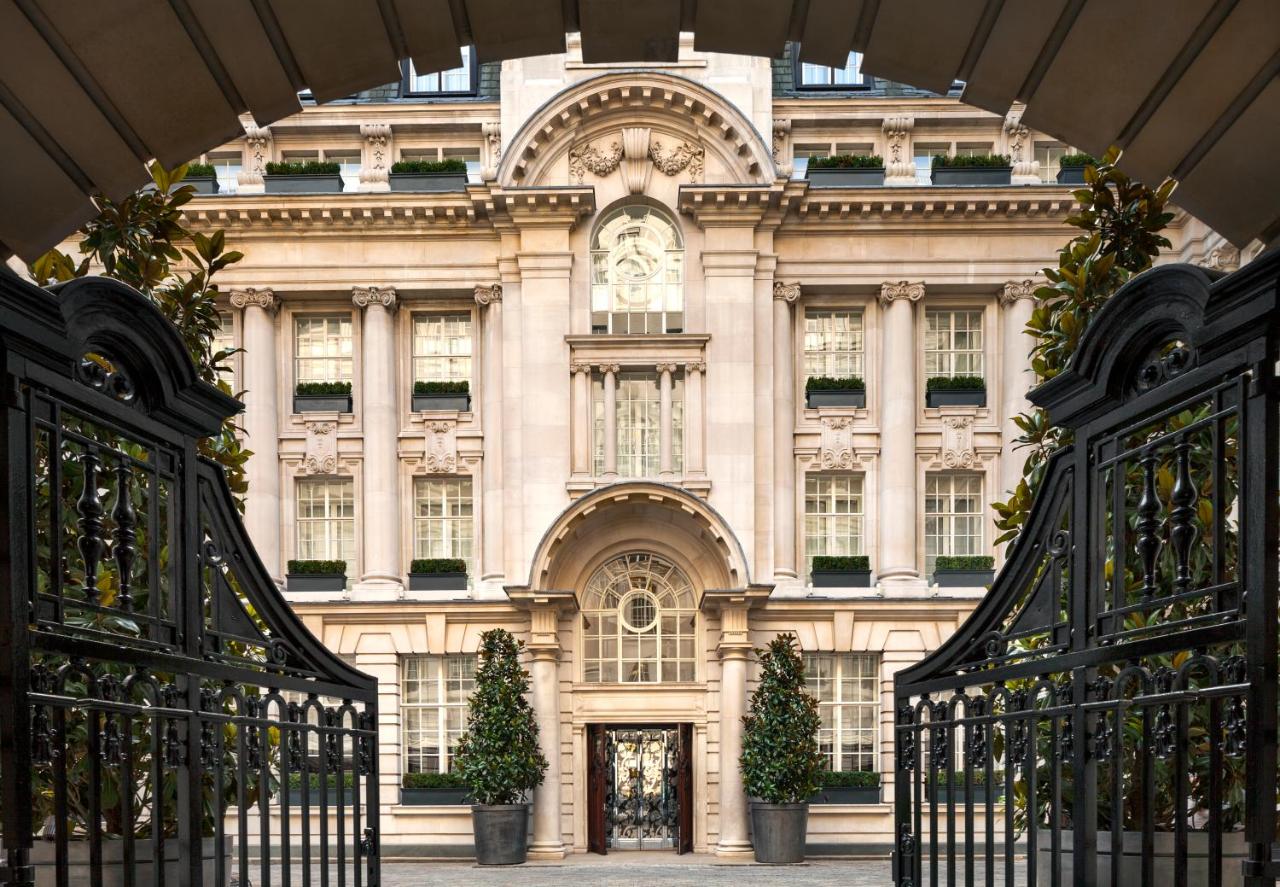
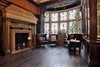
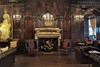
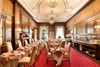
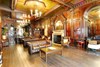
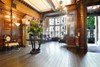
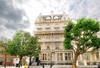
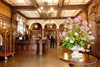
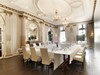
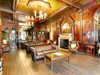
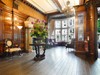
Immerse yourself in the hotel's Hyde Park’s rich Edwardian heritage, originally commissioned by Edward VII for Lillie Langtry. Designed by Charles Frédéric Mewès, this historic hotel features opulent interiors with polished wood paneling, marble fireplaces, and crystal chandeliers, offering a regal ambiance that has captivated guests for over a century.
Rooms & Suites
Elegant, Comfortable, Luxurious Retreats
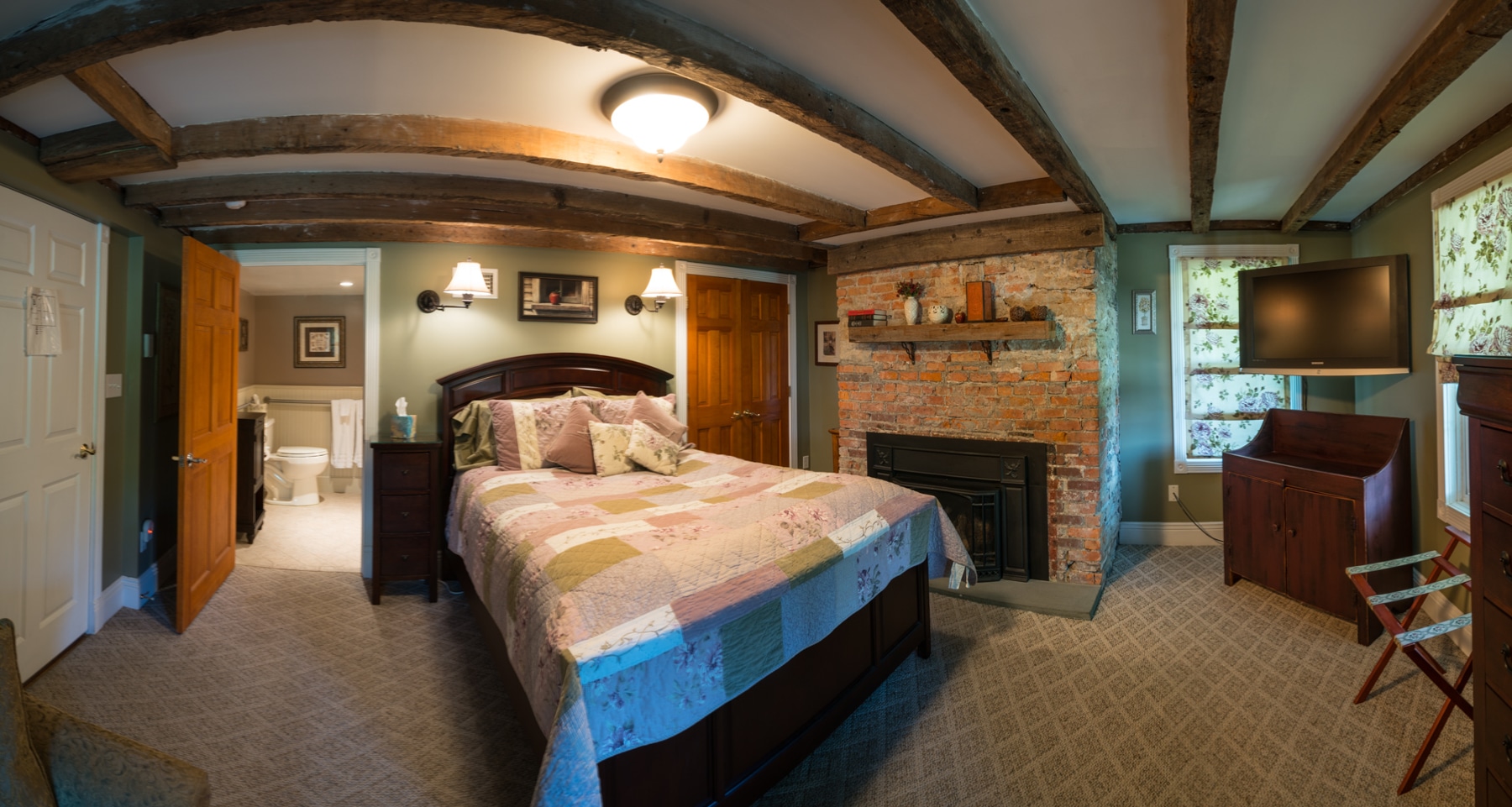
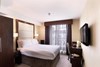
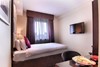
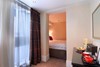
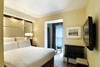
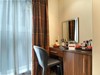
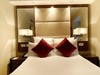
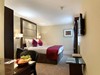
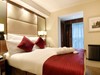
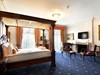
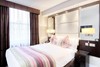
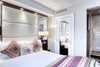
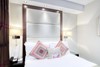
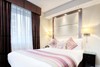
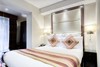
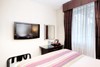
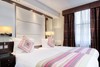
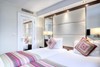
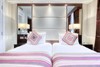
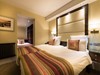
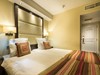
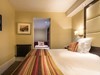
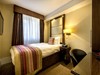
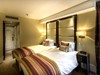
Our rooms at our hotel offer elegance and comfort, with luxurious amenities ensuring a relaxing stay for every guest. From stylish singles to spacious suites, experience timeless charm and modern convenience.
Rooms
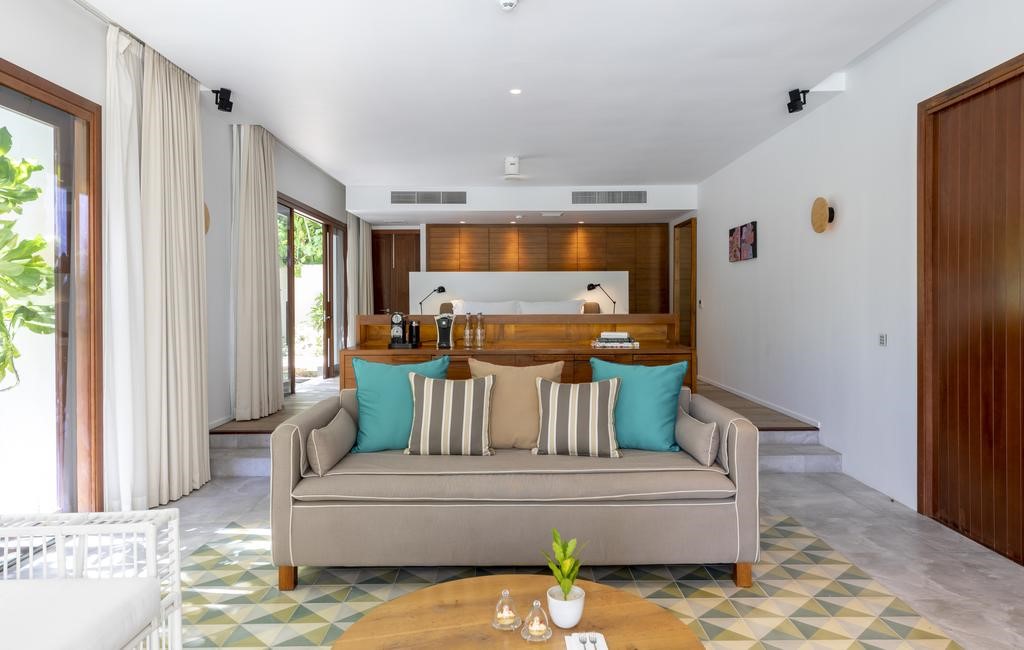
Discover comfort and elegance in our diverse room selection. From sleek singles to spacious doubles, experience luxury in the heart of London.
As standard, all Rooms include:
Free Wifi
Fluffy Robes
Indulgent Toiletries
Superior Double
Sleeps 2 Guests
Avg. Room Size: 12m²
Well-appointed rooms with a range of amenities, ideal for couples.
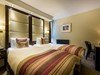
Deluxe Twin
Sleeps 2 Guests
Avg. Room Size: 15m²
Ideal for business and leisure guests, featuring two single beds.
Deluxe Double
Sleeps 2 Guests
Avg. Room Size: 15m²
Supremely comfortable with extra space for a memorable stay.
Club Double
Sleeps 2 Guests
Avg. Room Size: 17m²
Uncompromised comfort with contemporary décor and amenities.
Club Twin
Sleeps 2 Guests
Avg. Room Size: 17m²
Stylish accommodation with extra space and tantalizing extras.
Triple/Family Room
Sleeps 3 Guests
Avg. Room Size: 20m²
Ideal for small families or groups, offering additional sleeping arrangements.
Suites
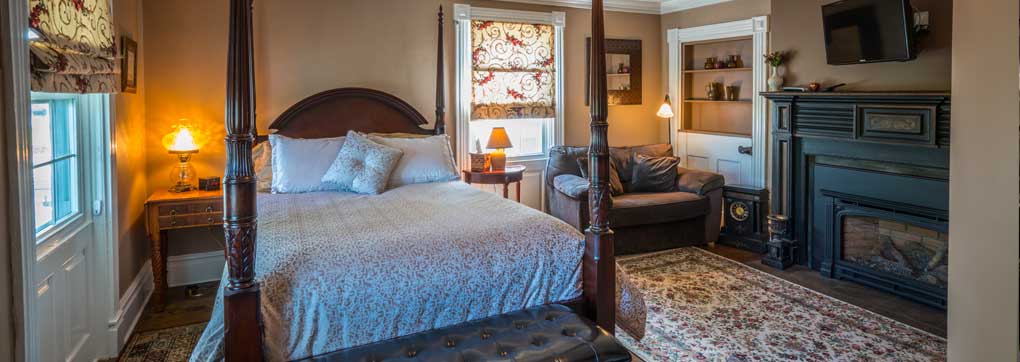
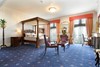
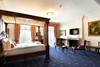
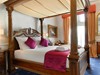
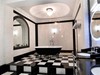
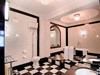
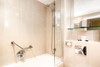
Our hotel's Hyde Park Suites offer an exquisite blend of opulence and comfort, promising an indulgent retreat in the heart of London. From the majestic Lillie Langtry Suite with its breathtaking interiors and stunning marble bathroom to our other luxurious offerings, each suite is meticulously designed to cater to the most discerning guests. Immerse yourself in the grandeur of our historic building while enjoying the finest amenities and personalized service, ensuring a truly memorable and indulgent stay.
As standard, all Suites include:
Free Wifi
Spacious Bathrooms
Minibar
Mood Lighting
Fluffy Robes
Indulgent Toiletries
Lilly Langtry Suite
Sleeps 3 Guests
Avg. Room Size: 20m²
Majestic and unique, offering a truly royal experience with refined elegance.
Restaurants & Bars. Dining Fit for Royalty
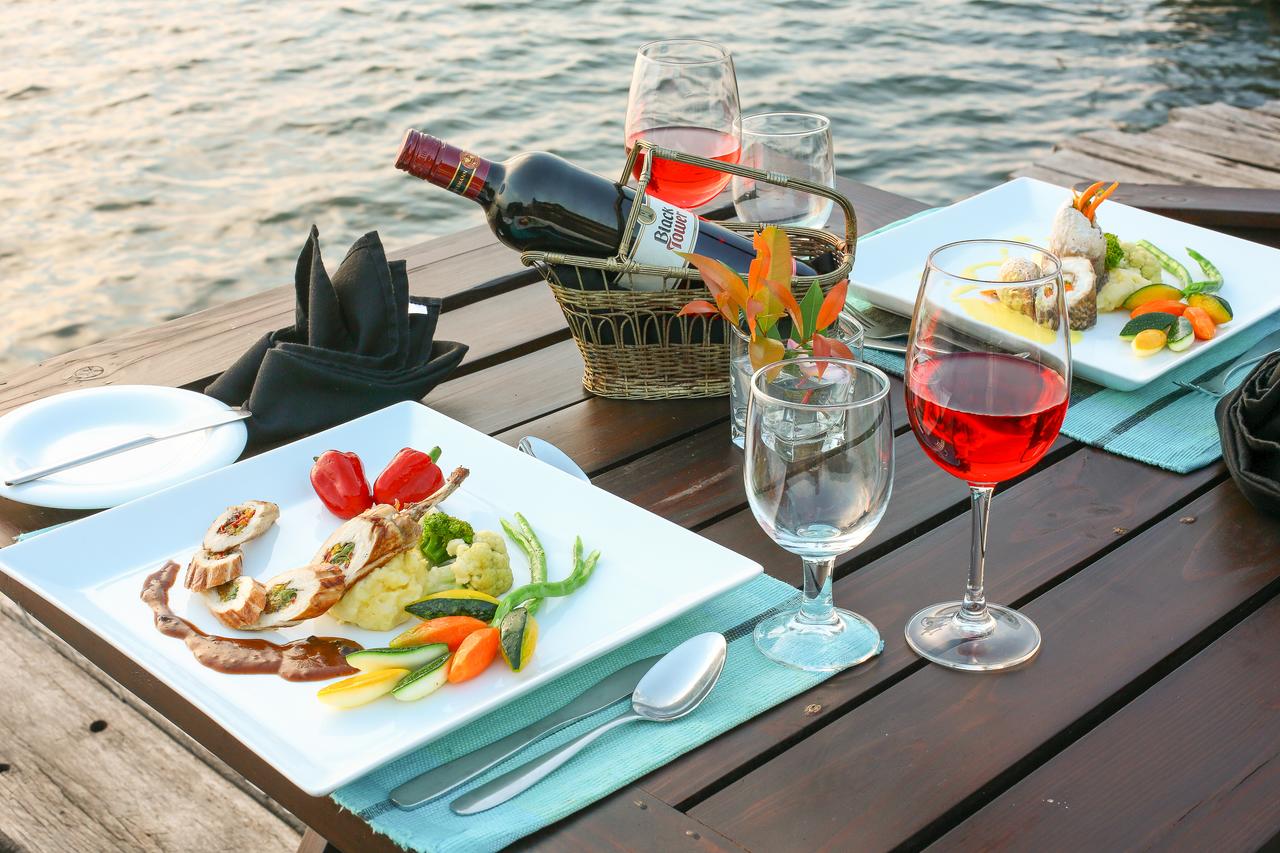
Experience culinary opulence at our restaurant, where every bite exudes luxury and refinement. From our lavish breakfast offerings to our sophisticated Edwardian bar, delight in a dining experience fit for royalty.
Theatre Bar
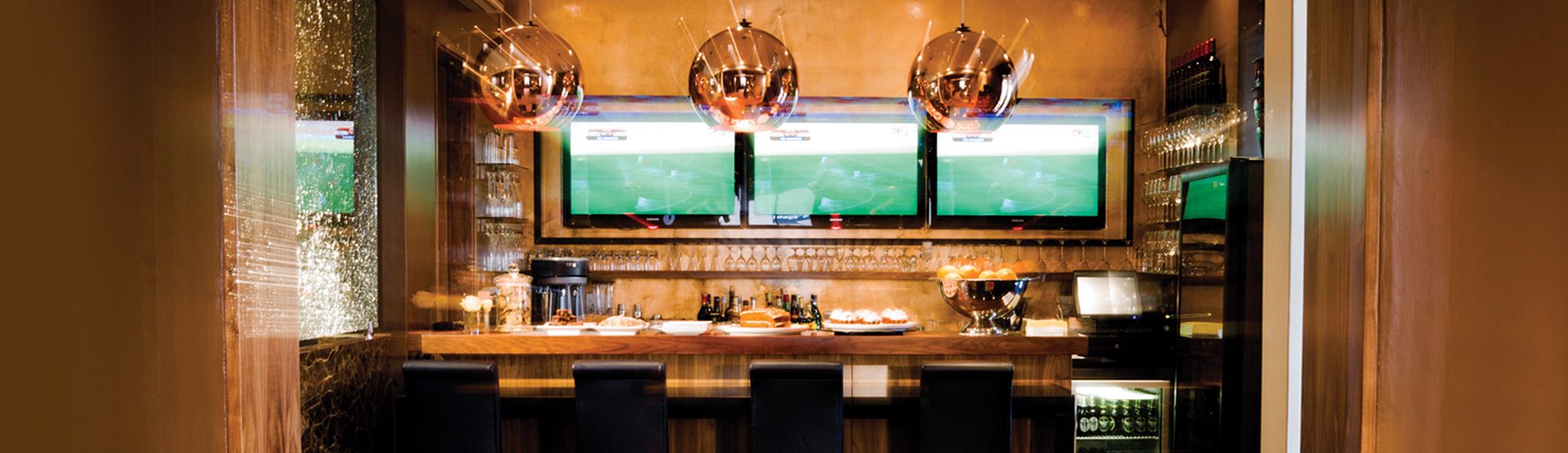
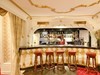
Welcome to the captivating theatre bar at our hotel, where elegance meets entertainment. Unwind in opulent surroundings and indulge in expertly crafted cocktails for a truly memorable experience. Step into the enchanting world of our theatre bar, where sophistication and entertainment merge seamlessly. Set within our historic Edwardian building, the theatre bar exudes an air of elegance, with its ornate décor and plush furnishings. Sip on expertly crafted cocktails and sample a selection of fine wines and international beers as you relax in the opulent surroundings. Take a seat in one of our original Edwardian theatre seats and immerse yourself in the regal atmosphere, surrounded by soft red velvet and Venetian glass chandeliers. Whether you’re catching up with friends or enjoying a pre-dinner drink, our theatre bar offers a truly unique and memorable experience.
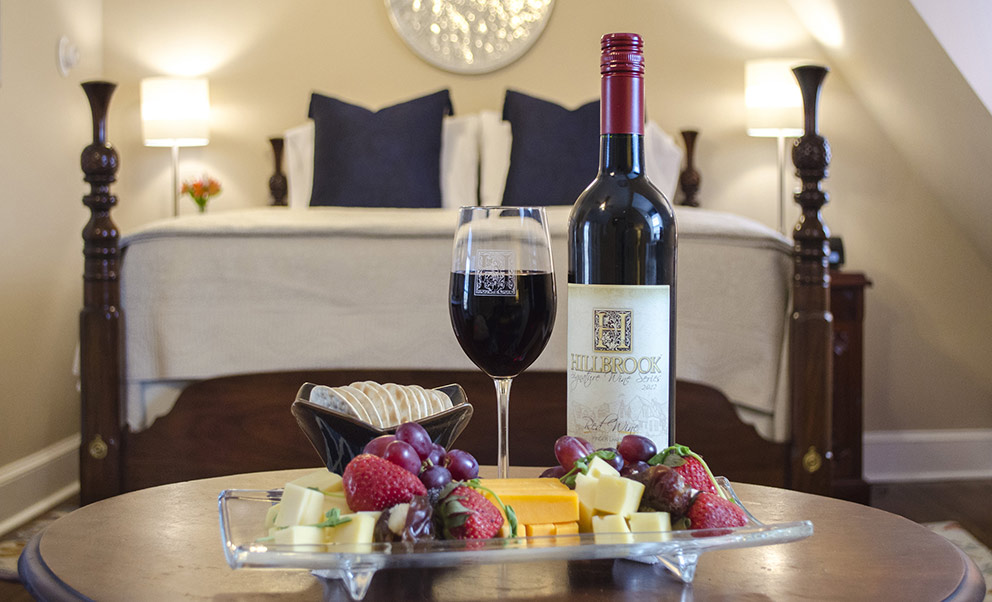
Stay with us over a weekend and enjoy a classic Sunday Roast at The Jugged Hare, championing the best of British seasonal produce, a carefully curated selection of wines from around the world, and award-winning beers on tap.
Offer includes:
10% off your room
Sunday Roast with a bottle of red wine for 2 at £45pp
Breakfast included
Free wi-fi
Grand Royale Restaurant
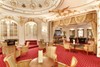
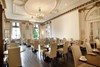
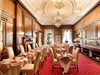
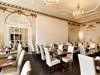
Indulge in a delightful breakfast at our hotel's elegant restaurant, where historic charm meets culinary excellence. Enjoy a variety of delicious hot and cold options in a sophisticated and inviting atmosphere.
Begin your day at our hotel's elegant restaurant, where historic charm blends seamlessly with culinary excellence. Our breakfast menu features a delectable array of hot and cold options, including freshly baked pastries, succulent sausages, and wholesome cereals. Set in a sophisticated and inviting atmosphere, our restaurant provides the perfect backdrop for a leisurely morning meal. Indulge in a delightful dining experience that promises to start your day on a high note.
Meetings: Elevate Your Events with Us
Host your events with us at our hotel. From business meetings to private parties, our versatile meeting spaces cater to gatherings of all sizes, with expert assistance from our dedicated events team.
Meeting & Event Spaces
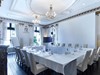
Discover Versatile Spaces at Grand Royal Hyde Park. Whether it’s an intimate gathering or a large conference, our well-equipped meeting rooms offer the perfect setting for your event, accompanied by expert support from our dedicated events team.
Tailored Spaces for Every Event
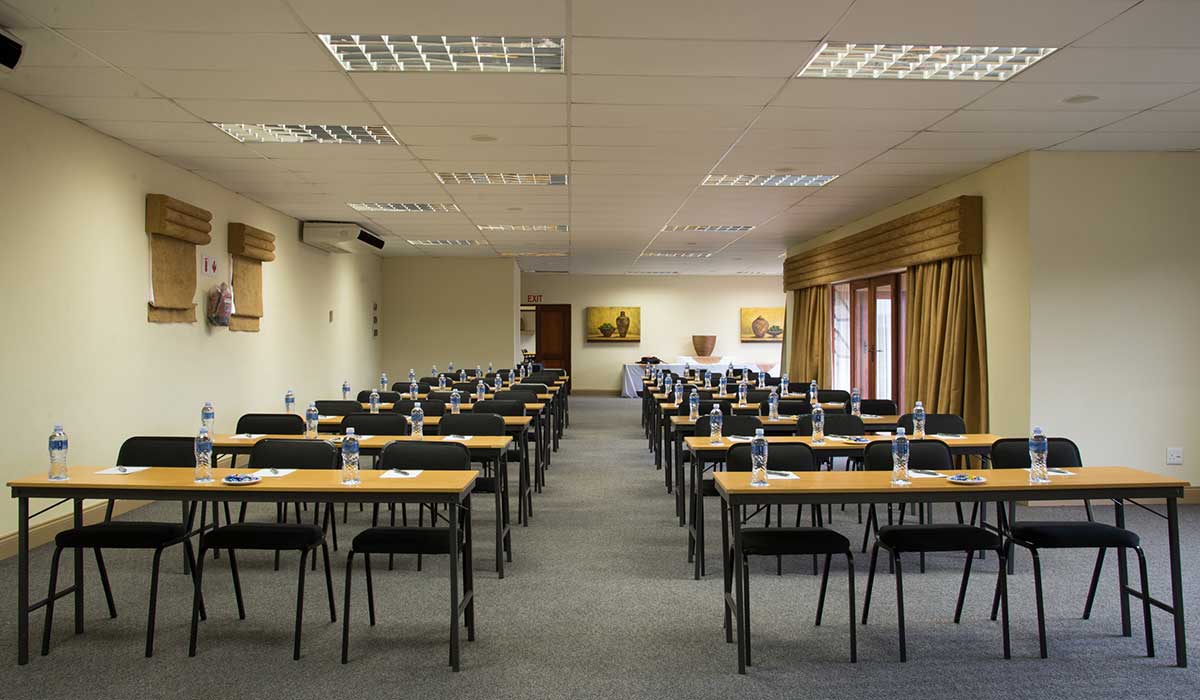
Discover versatile meeting and event spaces at our hotel, designed to cater to a variety of occasions. From intimate boardroom meetings to grand conferences, our adaptable venues can accommodate gatherings of all sizes. With state-of-the-art technology, customizable layouts, and impeccable service, our dedicated events team ensures that every detail is tailored to perfection. Whether you’re hosting a corporate seminar, a lavish banquet, or a private celebration, our flexible spaces provide the ideal backdrop for your event, promising an unforgettable experience for you and your guests.
Capacity Charts
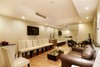
Lobby Lounge
66.12m²
Up to capacity of 5
Theatre Bar
28.6m²
Up to capacity of 22
Restaurant White
65.72m²
Up to capacity of 50
Restaurant Red
65.72m²
Up to capacity of 24
Local Area: Exploring London’s Charms Near Our Hotel
Conveniently situated near Paddington Station, our hotel provides easy access to London’s landmarks and beyond, including direct trains to Heathrow Airport.
Hyde Park Serenity: Tranquil Escapes Amidst Urban Bustle
Discover the serene beauty of Hyde Park, just a leisurely stroll away from our hotel. Whether you’re seeking a peaceful walk, a relaxing picnic, or a serene boat ride on the Serpentine Lake, Hyde Park offers an oasis of tranquility amidst the vibrant energy of London.
Cultural Enrichment at Royal Albert Hall
World-Class Performances in Historic Surroundings
Experience the pinnacle of cultural excellence at the nearby Royal Albert Hall. Immerse yourself in the grandeur of this iconic venue, where world-class performances and events await. From classical concerts to contemporary shows, the Royal Albert Hall promises unforgettable experiences in a historic setting.
Vibrant Markets of Notting Hill
Colourful Atmosphere and Eclectic Finds
Step into the vibrant world of Notting Hill, where charming streets are adorned with colourful houses and boutique shops. Explore the bustling Portobello Road Market, brimming with eclectic stalls, antiques, and delicious street food. Lose yourself in the lively atmosphere of this iconic London neighbourhood.
Scroll down to view our Hospitality Properties and Businesses for sale or lease or lease-to-buy or partnership arrangement or management agreement arrangement.
.JPG "Exquisite Properties")