.JPG "Exquisite Properties")
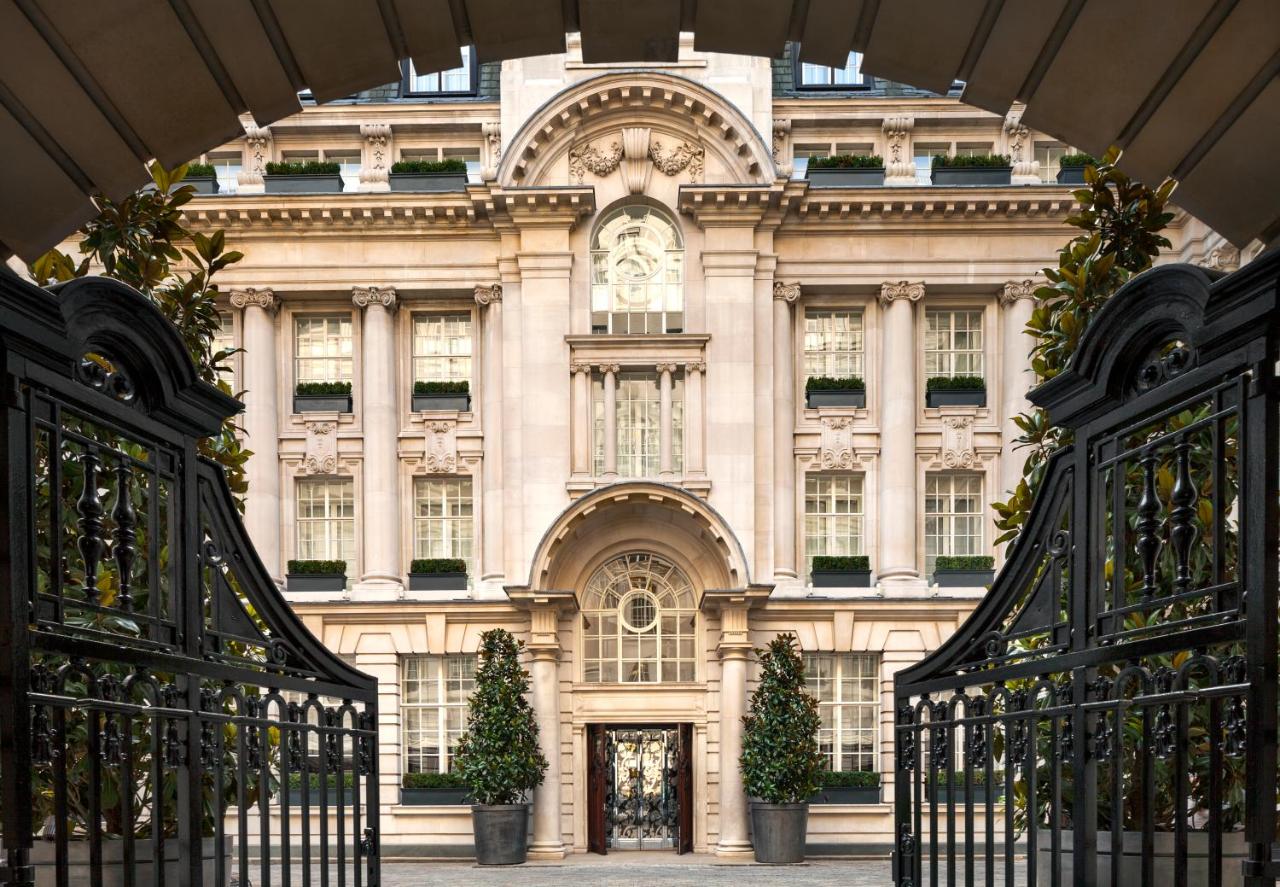

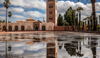
Marrakesh, Morocco
Agent: Cliff Jacobs - Managing Principal Property Practitioner & CEO - Exquisite Hotel Consultants (Nat.Dpl.Hotel Man (UJ). M.P.R.E.)
Agent Cellphone: +27 (0) 84 413 1071 / +27 (0) 61 716 6951
Agent Office Number: +27 (0) 84 413 1071
Agent Email Address: cliff@exquisitehotelconsultants.com
Type: Development Opportunity
Bedrooms: 0
Bathrooms: 0
Parking: 0
Yield: Not Disclosed
Morocco
Morocco, officially the Kingdom of Morocco, is a country in the Maghreb region of North Africa. It has coastlines on the Mediterranean Sea to the north and the Atlantic Ocean to the west, and has land borders with Algeria to the east, and the disputed territory of Western Sahara to the south, occupied by Morocco since 1975. Morocco also claims the Spanish exclaves of Ceuta, Melilla and Peñón de Vélez de la Gomera, and several small Spanish-controlled islands off its coast. Morocco also claims to share a border with Mauritania through the disputed territory of Western Sahara. It has a population of approximately 37 million. Islam is both the official and predominant religion, while Arabic and Berber are the official languages. Additionally, French and the Moroccan dialect of Arabic are widely spoken. The culture of Morocco is a mix of Arab, Berber, African and European cultures. Its capital is Rabat, while its largest city is Casablanca.
The region constituting Morocco has been inhabited since the Paleolithic era, more than 300,000 years ago. The Idrisid dynasty was established by Idris I in 788, and Morocco was subsequently ruled by a series of other independent dynasties, reaching its zenith as a regional power in the 11th and 12th centuries, under the Almoravid and Almohad dynasties, when it controlled most of the Iberian Peninsula and the Maghreb. Centuries of Arab migration to the Maghreb since the 7th century shifted the demographic scope of the region. In the 15th and 16th centuries, Morocco faced external threats to its sovereignty, with Portugal seizing some territory and the Ottoman Empire encroaching from the east. The Marinid and Saadi dynasties otherwise resisted foreign domination, and Morocco was the only North African nation to escape Ottoman dominion. The Saadi dynasty expanded its territory through the conquest of the Songhai Empire in the late 16th century. The Alawi dynasty, which rules the country to this day, seized power in 1631, and over the next two centuries expanded diplomatic and commercial relations with the Western world. Morocco's strategic location near the mouth of the Mediterranean drew renewed European interest. In 1912, France and Spain established protectorates over the country and designated Tangier as an international zone, while the Sultan remained the formal sovereign with limited authority under colonial control. Following intermittent riots and revolts against colonial rule, Morocco regained its independence and reunified in 1956 under the leadership of Sultan Mohammed V.
Since independence, Morocco has remained relatively stable. It has the fifth-largest economy in Africa and wields significant influence in both Africa and the Arab world; it is considered a middle power in global affairs and holds membership in the Arab League, the Arab Maghreb Union, the Union for the Mediterranean, and the African Union. Morocco is a unitary semi-constitutional monarchy with an elected parliament. The executive branch is led by the King of Morocco and the prime minister, while legislative power is vested in the two chambers of parliament: the House of Representatives and the House of Councillors. Judicial power rests with the Constitutional Court, which may review the validity of laws, elections, and referendums. The king holds vast executive and legislative powers, especially over the military, foreign policy and religious affairs; he can issue dahirs, decrees which have the force of law, and he can also dissolve the parliament after consulting the prime minister and the president of the constitutional court.
Tourism is one of the most important sectors in the Moroccan economy. It is a strong tourist industry focused on the country's coast, culture, and history. In 2022, tourism in Morocco had surpassed the average number of visitors in the 2010s, while setting an all-time high in 2023 with 14.5 million international tourist arrivals and MAD 104.7 billion in receipts. In 2010, the government launched its Vision 2020, which plans to make Morocco one of the top 20 tourist destinations in the world and to double the annual number of international arrivals to 20 million by 2020. In November 2024, Morocco had nearly 16 million tourists visiting that contributed to 7% of its GDP.
Tourism
Tourism is increasingly focused on Morocco's culture, such as its ancient cities. The modern tourist industry capitalises on Morocco's ancient and Islamic sites and on its landscape and cultural history. 60% of Morocco's tourists visit for its culture and heritage. Agadir is a major coastal resort and has a third of all Moroccan bed nights. It is a base for tours to the Atlas Mountains. Other resorts in northern Morocco are also very popular.
Large government sponsored marketing campaigns to attract tourists advertised Morocco as an inexpensive and exotic, yet safe, place for tourists. Most of the visitors to Morocco continue to be European, with French nationals making up almost 20% of all visitors. Most Europeans visit between April and August. Casablanca is the major cruise port in Morocco, and has a developed market for tourists in Morocco. The Majorelle botanical garden in Marrakesh is a popular tourist attraction. It was bought by the fashion designer Yves Saint-Laurent and Pierre Bergé in 1980. As of 2006, activity and adventure tourism in the Atlas and Rif Mountains are the fastest growth area in Moroccan tourism. These locations have walking and trekking opportunities from late March to mid-November. The government is investing in trekking circuits. They are also developing desert tourism in competition with Tunisia.
Tourism is one of the most important sectors in the Moroccan economy. It is a strong tourist industry focused on the country's coast, culture, and history. In 2022, tourism in Morocco had surpassed the average number of visitors in the 2010s, while setting an all-time high in 2023 with 14.5 million international tourist arrivals and MAD 104.7 billion in receipts. In 2010, the government launched its Vision 2020, which plans to make Morocco one of the top 20 tourist destinations in the world and to double the annual number of international arrivals to 20 million by 2020. In November 2024, Morocco had nearly 16 million tourists visiting that contributed to 7% of its GDP.
Democratics
Demographic features of the population of Morocco include population density, ethnicity, religious affiliations and other aspects of the population. All figures are from the Haut-Commissariat au Plan of Morocco[5] or the United Nations Demographic Yearbooks,[6] unless otherwise indicated.
The population of Morocco in 2024 was 36,828,330.[1] Moroccans are primarily of Arab and Berber origin.[7][8] Socially, there are two contrasting groups of Moroccans: those living in the cities and those in the rural areas. Among the rural, several classes have formed such as landowners, peasants, and tenant farmers. Moroccans live mainly in the north and west portions of Morocco. However, they prefer living in the more fertile regions near the Mediterranean Sea.
Between the Nile and the Red Sea were living Arab tribes expelled from Arabia for their turbulence, Banu Hilal and Banu Sulaym, who often plundered farming areas in the Nile Valley.[9] According to Ibn Khaldun, whole tribes set off with women, children, ancestors, animals and camping equipment.[9] These tribes, along with others, who mass arrived in the region of Morocco in colossal numbers around the 12th-13th centuries,[10] and later the Ma'qil in the 14th century, contributed to a more extensive ethnic, cultural, and linguistic Arabization of Morocco over time, especially beyond the major urban centres and the northern regions well into the countryside.[11][10] The descendants of the original Arab settlers who continue to speak Arabic as a first language currently form the single largest population group in North Africa.[12]
About 99% of Moroccans are considered to be Sunni Muslims religiously or culturally. The numbers of the Jewish minority has decreased significantly since the creation of the State of Israel in 1948. Today there are 2,500 Moroccan Jews inside the country.[13] Thousands of Moroccan Jews living in Europe, Israel and North America visit the country regularly. There is a small but apparently growing minority of Moroccan Christians made of local Moroccan converts (not Europeans). In 2014, most of the 86,206 foreign residents are French people, Spaniards, Algerians and sub-Saharan African students.
My colleagues have been asked by the Moroccan government in assist them to further develop the hospitality industry in their country in preparation for the World Cup 2030. This is a unique foot in the door of a high-growth market with endless opportunities.
Do you have any international hoteliers/investment fund clients who would in principle be prepared to consider getting involved at least with the six cities where the World Cup matches are to be played in Morocco??
This is a unique foot in the door of a high-growth market with endless opportunities.
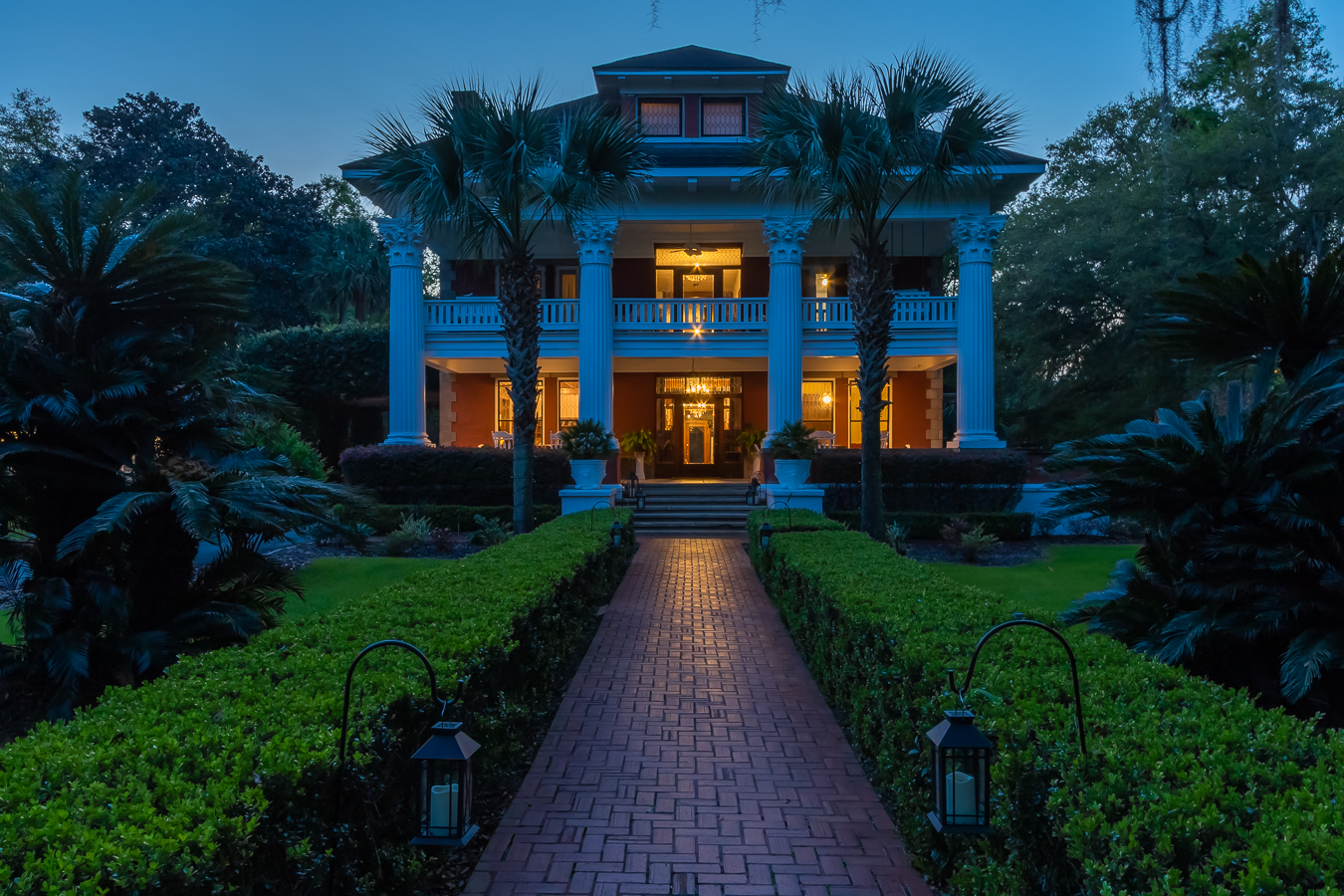
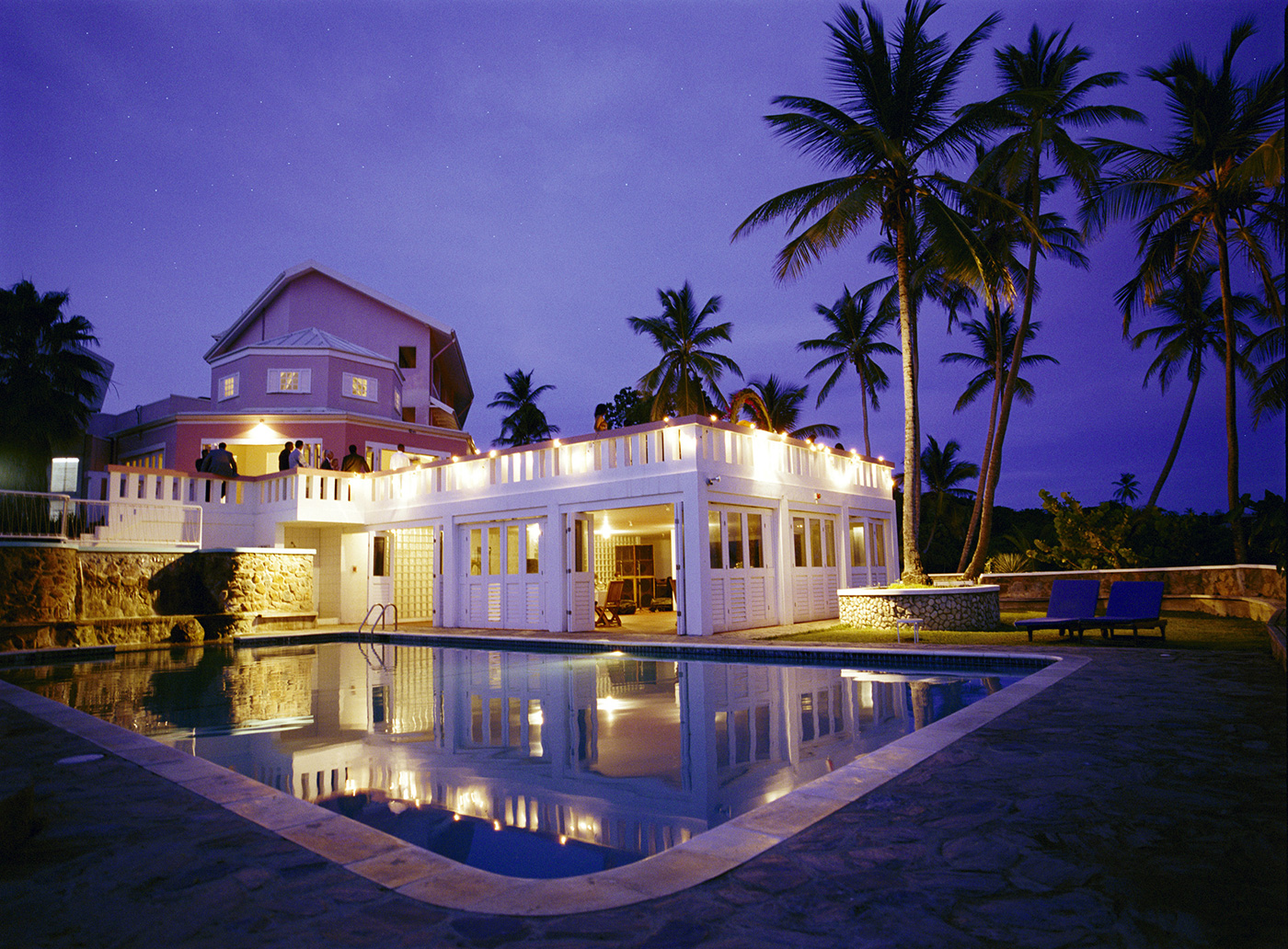
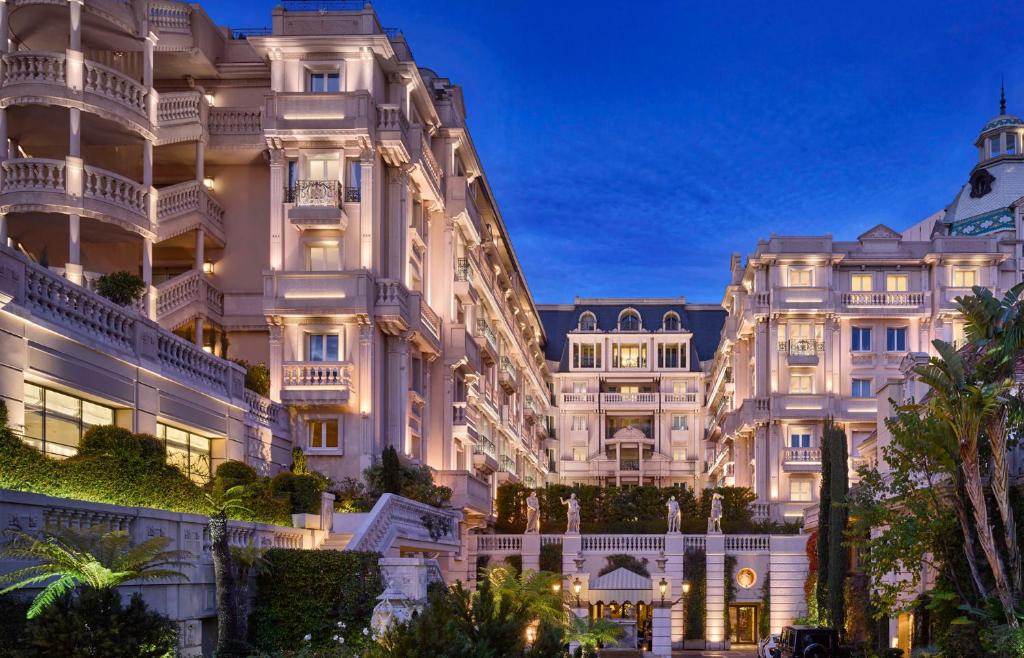
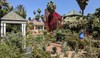
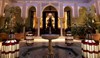
The owner of this development has owned this prime site on the Al Maaden Golf course in Marrakesh for over 20 years and the proposal is to build on the 14.2 hectare site a 5-star plus 89-key suite-only hotel. He has signed an MoU with the prestigious hotel operator, One & Only, to manage the hotel on a 20-year contract. This MoU is non-binding on both parties, so any investor can progress with One & Only or deal with management of the hotel internally or with another operator of its choice. In addition, on the balance part of the site he plans to build 51 luxury villas, of which it is proposed 17 villas will be branded by the hotel operator (e.g. One & Only) and be fitted out and furnished to the operator’s standard. These will be available for let as part of the hospitality offer. In total the hotel and branded villas will comprise 156 keys if this option is pursued.
By way of example, once stabilised, One & Only are forecasting an EBITDA for the 156-key hotel (including 17 villas) of €22–25 million per annum. He estimates the value of the hotel, once income is stabilised after 3 years, will be in the region of €120 million based on the 89 suite only hotel option and €170 million based on the 156 key option..
The balance 34 villas will be sold to private buyers.
He has organised total senior debt facilities of €80 million from local bank syndicates, comprising a €45 million 15-year term loan for the hotel at 6.5% interest (with a 3-year grace period, fully amortising over the last 12 years), a €15 million 15-year facility for the 17 branded villas, and a €20 million construction loan for the 34 villas to be repaid from villa sale proceeds.
Once completed, the development is eligible for and will receive a non-repayable grant of approximately €8.2 million from the Moroccan government designed to support hospitality development in Morocco. A further €2 million subvention may be available for the 17 branded villas if they are operated as part of the hotel.
The project has existing full planning consent from the Urbanistic Commission, with designs by the internationally recognised architects Jean-Michel Wilmotte (Paris) and Abdelhakim Guilmy (Marrakesh).
FINANCIALS
Funding: €10m equity + €20m construction loan (repaid from villa sale proceeds) + €10m from VEFA pre-sale deposits
Total development cost (all three components) €156.3m
PROJECTED RETURNS
If all 51 villas are sold to private buyers at an average price of approximately €2.35 million per villa, total villa sales would be approximately €120 million against a total villa development cost of €65.5 million, delivering a gross profit of approximately €55 million on the villa part of the project.
If the 17 branded villas are retained and included in the hotel asset (156 keys), the balance 34 villas would be sold to private buyers for approximately €80 million against a development cost of €40 million, delivering a gross profit of approximately €40 million on the 34 villas.
INVESTOR PROPOSITION
On this basis, the total cost of the hotel including the 17 branded villas (156 keys) is approximately €116.3 million (€90.8m hotel + €25.5m branded villas), funded by €38m equity, €60m senior debt and €10.2m in government subventions. Adding the €40 million profit from the sale of the 34 villas effectively reduces the net cost to the investor to approximately €76 million or just over €15 million equity after the 15 year loan secured against the 89 suite only hotel and the 17 branded villas.
My colleagues estimates that the 156-key hotel and villa asset should be worth in the region of €170 million once stabilised, showing a profit to the investor of approximately €100 million.
KEY HIGHLIGHTS
Cliff Jacobs (Nat Dpl Hotel Man (UJ). MPRE. GA Level 5 TEFL) Managing Principal / CEO Exquisite Hotel Consultants (Pty) Ltd Mobile: +27 (0) 84 413 1071 / +27 (0) 61 716 6951 Email: cliff@exquisitehotelconsultants.com Web: https://www.exquisitehotelconsultants.com © All rights reserved Terms and Conditions apply Scroll down to view our Hospitality Properties and Businesses for sale or lease or lease-to-buy or partnership arrangement or management agreement arrangement.
