.JPG "Exquisite Properties")
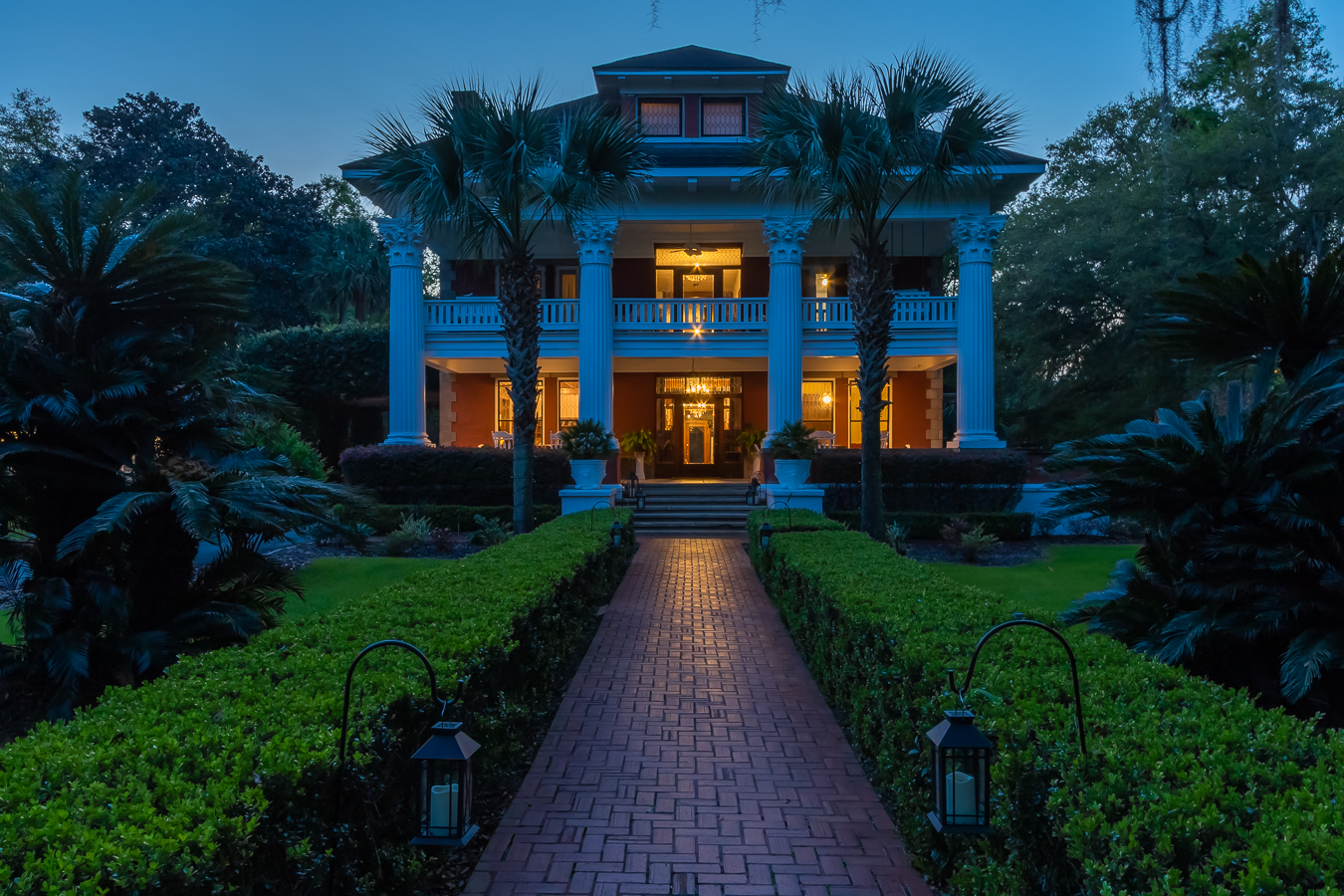
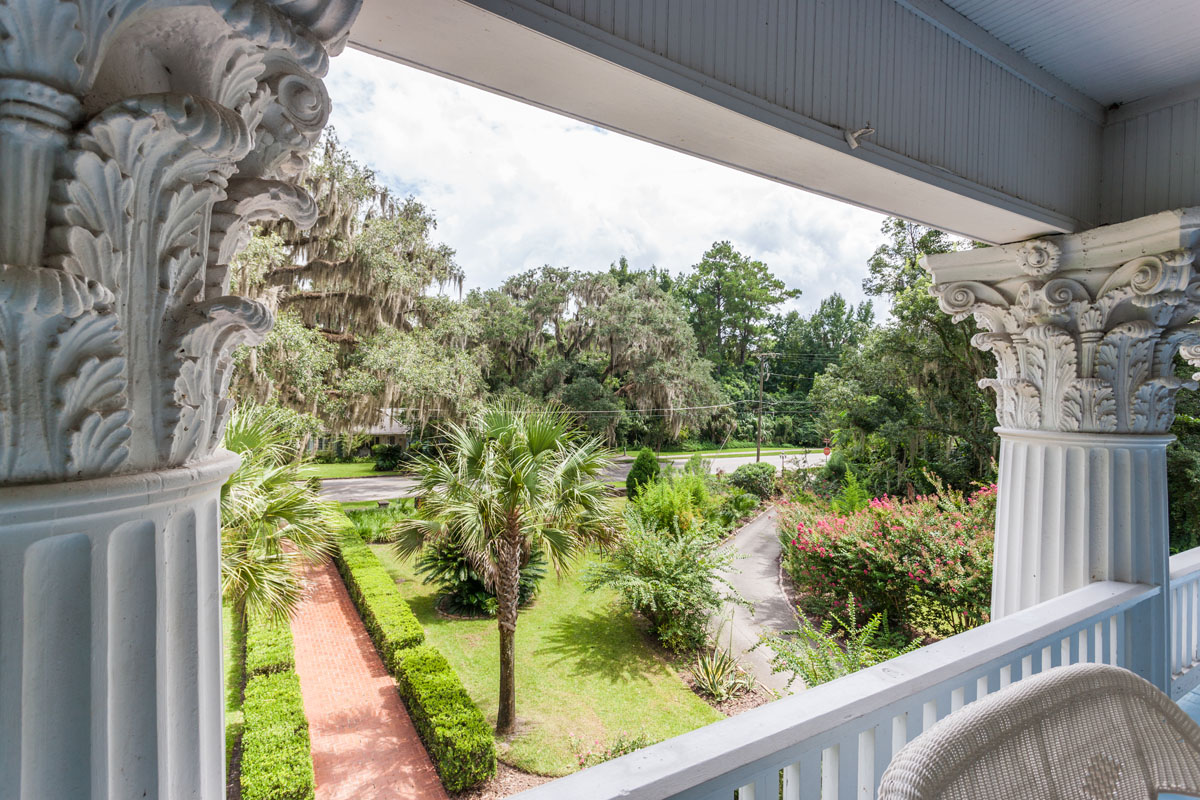

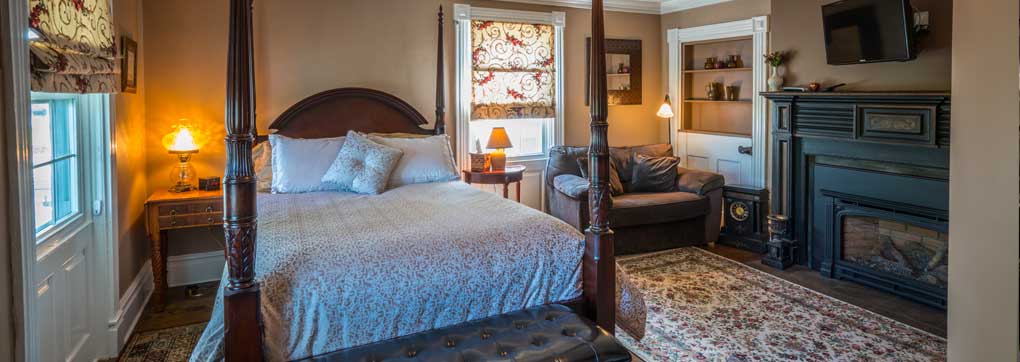
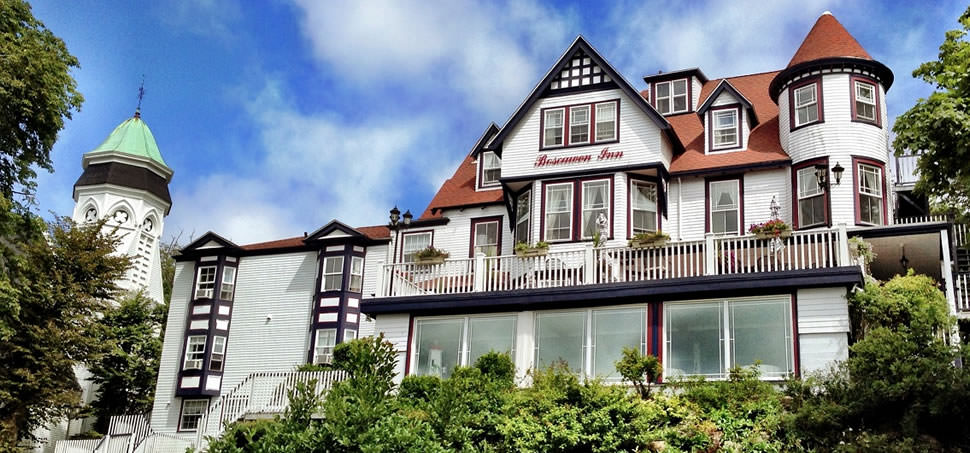
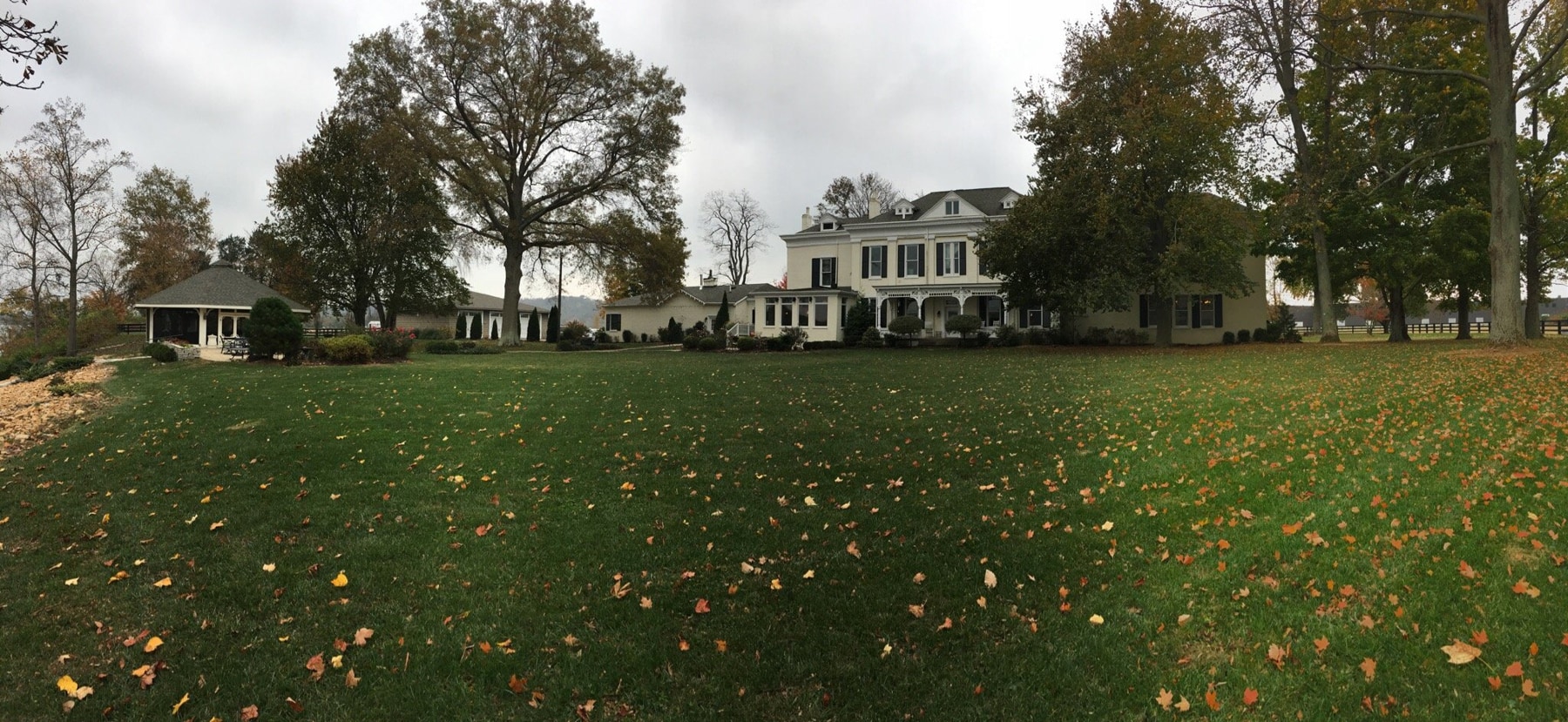
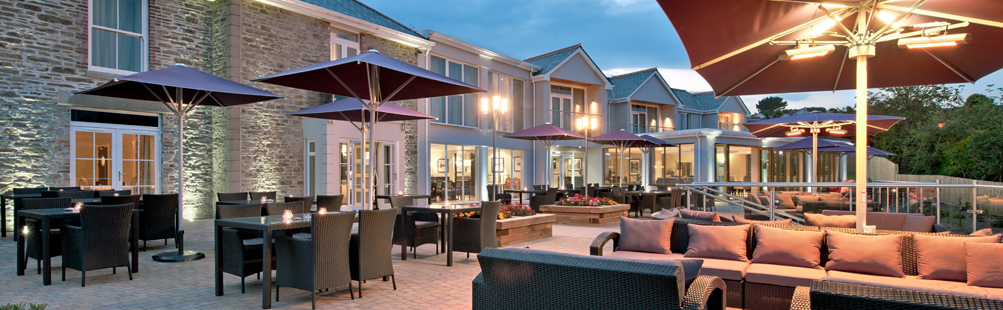

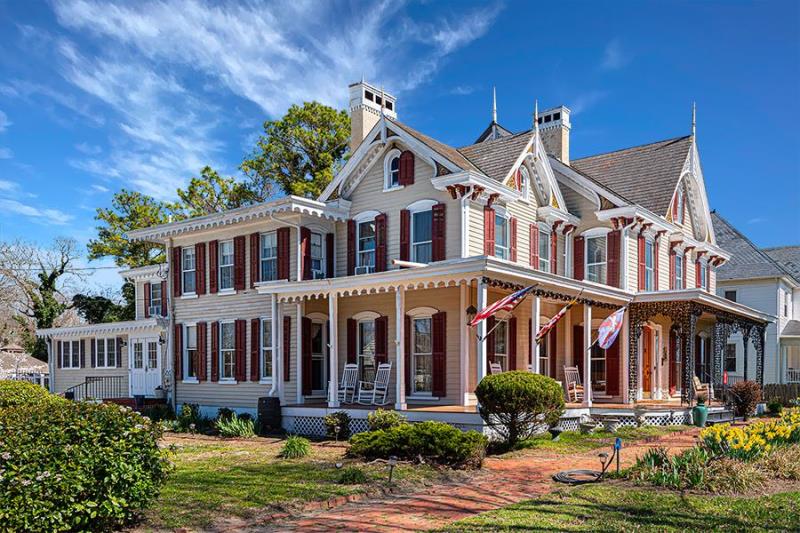
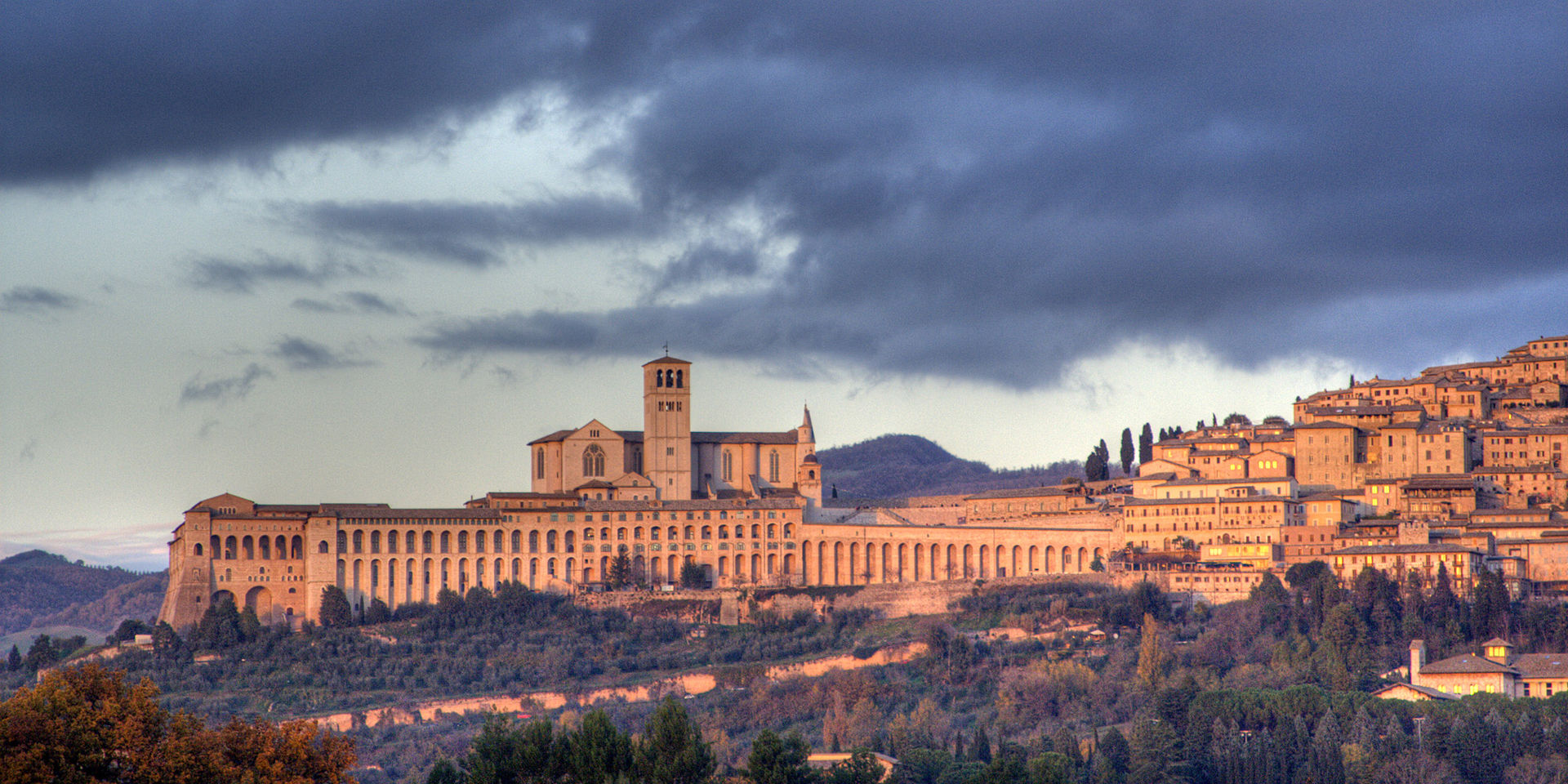
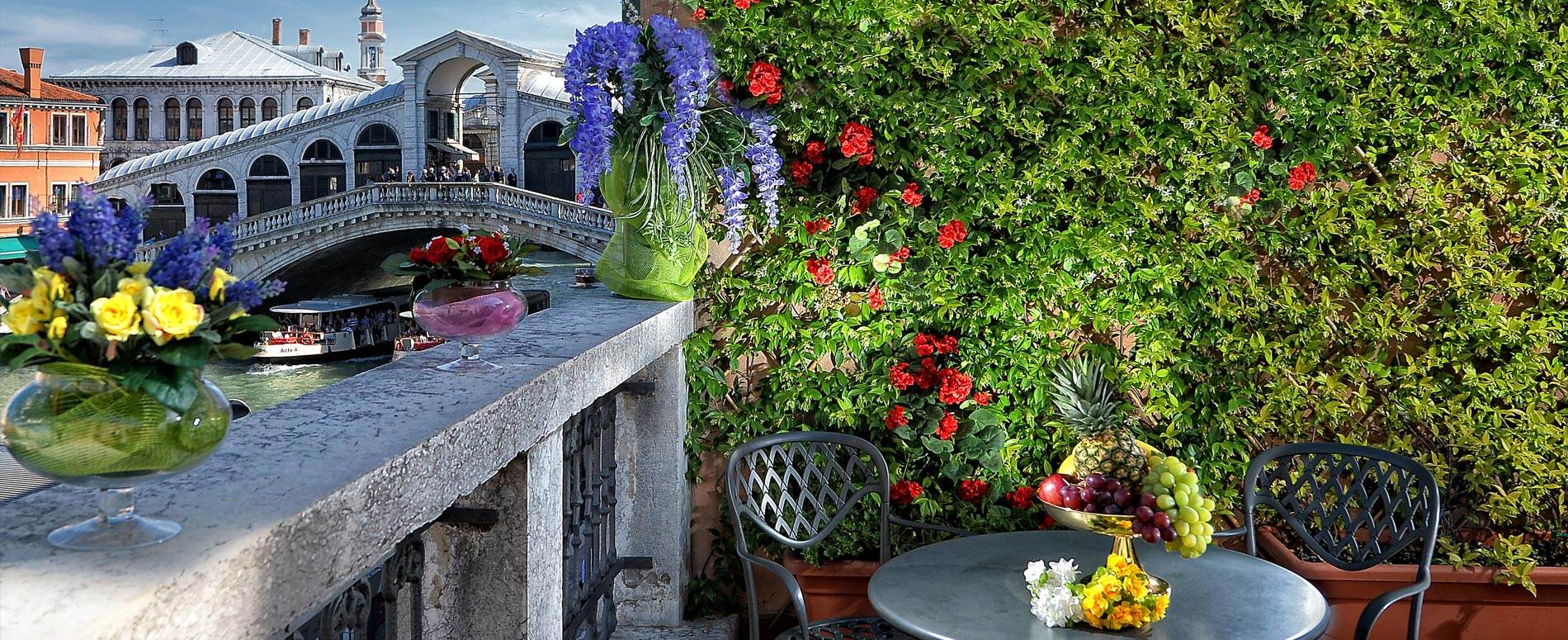
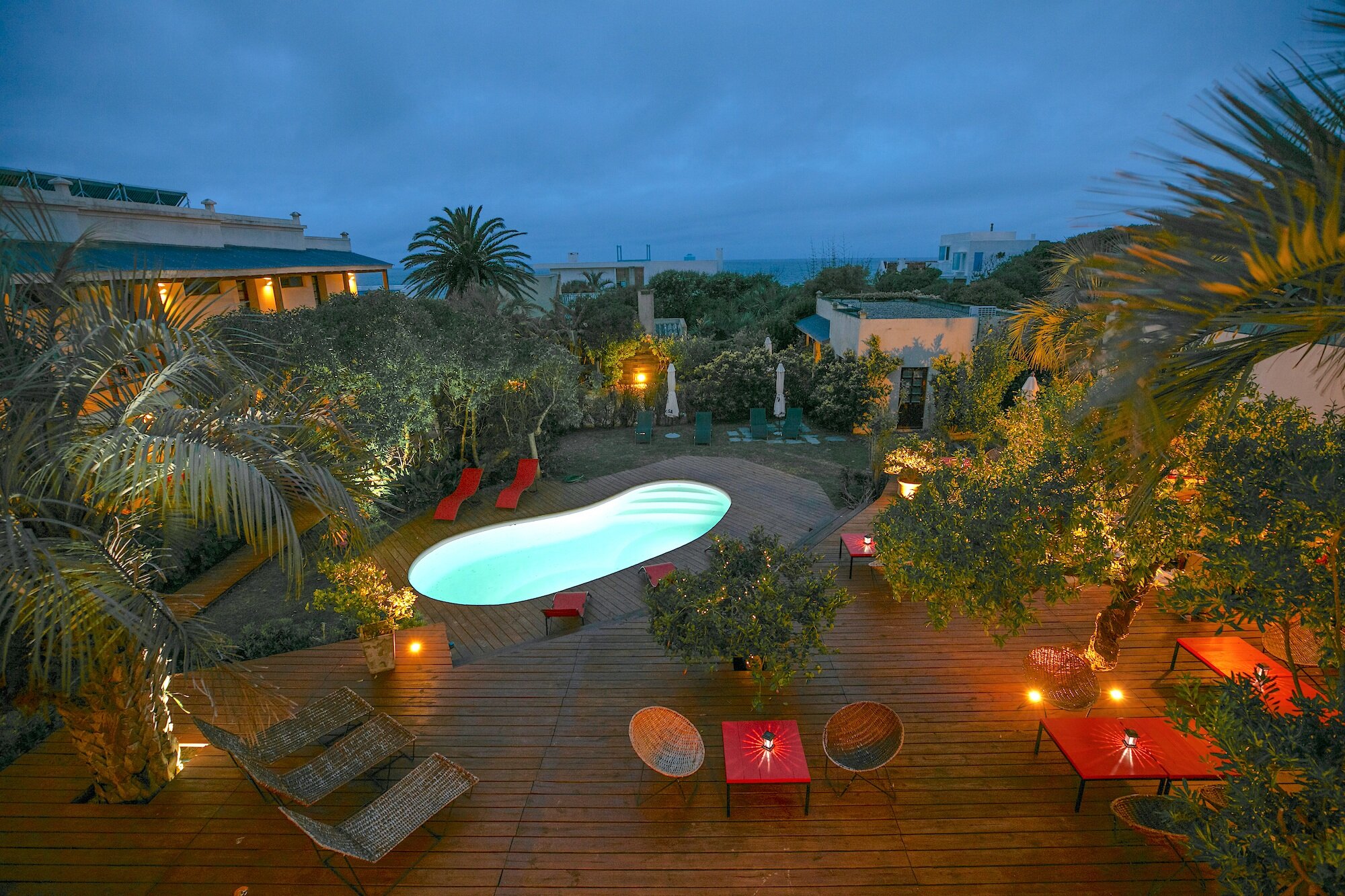

Como, Lombardy, Italy
Agent: Cliff Jacobs - Managing Principal Property Practitioner & CEO - Exquisite Hotel Consultants (Nat.Dpl.Hotel Man (UJ). M.P.R.E.)
Agent Cellphone: +27 (0) 84 413 1071 / +27 (0) 61 716 6951
Agent Office Number: +27 (0) 84 413 1071
Agent Email Address: cliff@exquisitehotelconsultants.com
Type: Boutique Hotel
Bedrooms: 40
Bathrooms: 40
Showers: 40
Parking: 0
Yield: Not Disclosed
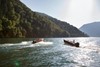
Lake Como
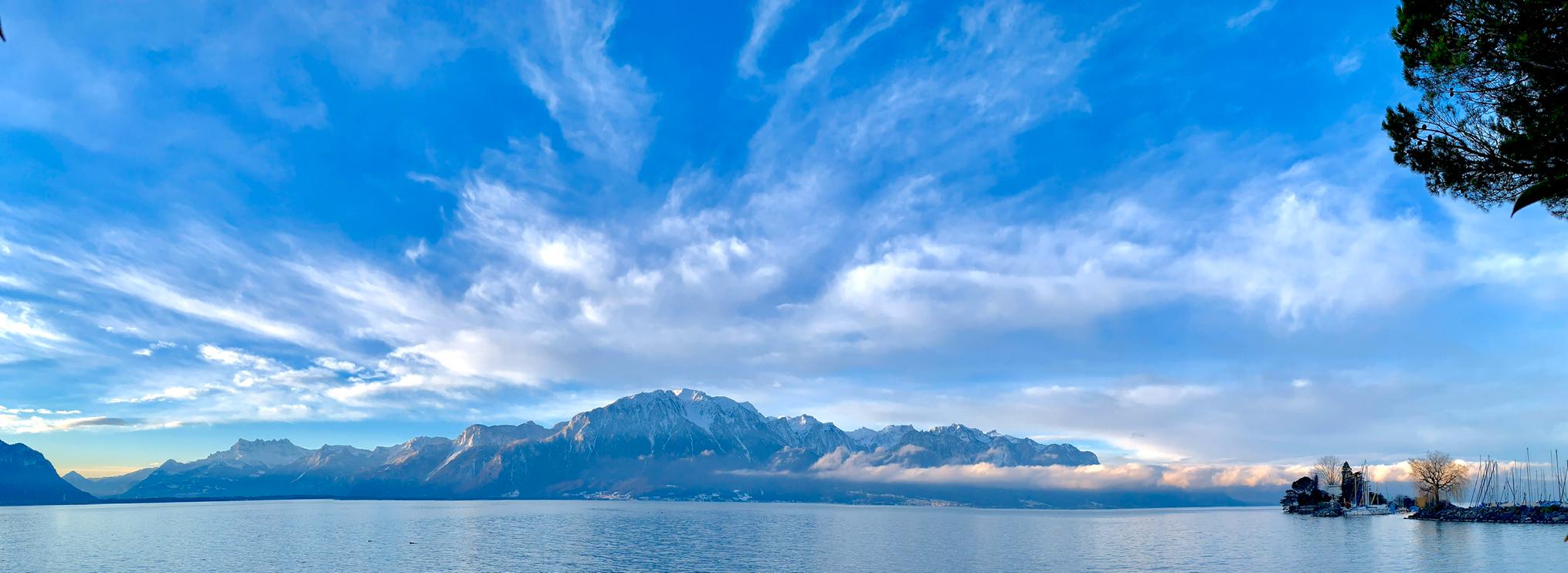
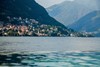
Lake Como, also known as Lario, is a lake of glacial origin in Lombardy, Italy. It has an area of 146 km2 (56 sq mi), making it the third-largest lake in Italy, after Lake Garda and Lake Maggiore. At over 400 metres (1,300 ft) deep, it is one of the deepest lakes in Europe. Its characteristic "Y" shape resulted from the movement of the ancient Adda glacier, which was diverted by the mountainous terrain and carved the three branches.
Located at the foot of the Alps, Lake Como has been a popular retreat for aristocracy and the wealthy since Roman times, and a major tourist attraction with many artistic and cultural gems. The homonymous city was named Novum Comum by consul Julius Caesar in 59 BC. Its shores are dotted with numerous villas and palaces, such as Villa Olmo, Villa Serbelloni, and Villa Carlotta, known for their historic architecture and elaborate gardens. The mild, humid climate, influenced by the lake, supports a diverse range of subtropical plants as well as traditional Mediterranean crops like olives. The surrounding mountains host typical Alpine flora and fauna. A significant religious site is the Sacro Monte di Ossuccio, a UNESCO World Heritage Site.
Lake Como's strategic location facilitated trade during the Roman era and subsequent periods, but also made it a site of conflict through the Middle Ages and Renaissance. The area became renowned for its silk industry in the 19th and 20th centuries, contributing to the region's prosperity. Today, the economy relies heavily on tourism, manufacturing, and craftsmanship. However, the lake's popularity has led to significant challenges related to overtourism, impacting local infrastructure, environment, and communities. Lake Como remains an important cultural reference, featuring in literature, film, and music.
Etymology and nomenclature
The lake's ancient Latin name was Larius Lacus. William Smith suggests the name Larius is derived from a pre-Roman root *lar- meaning "hollow place". Lacus means "lake".
During the Middle Ages, the name Lario continued to appear, particularly in official and ecclesiastical documents, sometimes rendered as Lago di Lario in local chronicles. However, starting in late antiquity, the name linked to the principal city, Como (Latin: Comum), gradually gained prominence, especially in everyday and commercial use. This alternative name, Lacus Comacinus or Comacenus (Lake of Como), is found in sources like the Antonine Itinerary and works by Paul the Deacon.
The Renaissance saw a resurgence of interest in the classical name Lario among scholars and cartographers, fuelled by the rediscovery of ancient texts. Maps from this era often displayed both Lago di Lario and Lago di Como, reflecting the dual naming convention and a growing appreciation for the region's history.
Today, while Lario persists in cultural, literary, and historical references, and survives in the names of several lakeside towns (such as Gera Lario, Pognana Lario, and Mandello del Lario), the name most commonly used by Italians and recognized internationally, particularly within the tourism sector, is Lago di Como.
Geography and geology
Lake Como is situated in the Lombardy region of Northern Italy, at the southern end of the Alps, about 45 km north of Milan. Geologically, it lies within the Southern Alps, specifically the Lombardic Basin, an area shaped by a complex history of tectonic activity and surface processes. The region experienced significant rifting during the Mesozoic Era followed by compressional forces during the Alpine orogeny in the Cenozoic Era, related to the collision of the African and Eurasian plates. This compression phase, particularly activity along major fault systems near the Periadriatic Seam (like the Insubric Line), influenced the landscape's structure. The lake basin is primarily carved into Mesozoic carbonate rocks (limestones and marls such as the Moltrasio Limestone) overlying a deeper crystalline basement. Later Cenozoic sediments, notably the Gonfolite Group (Oligocene-Miocene), represent deposits from large submarine fans fed by rivers eroding the nascent Alps.
While often described simply as a glacial lake, Lake Como's basin results from combined fluvial erosion and deep glacial scouring acting upon a pre-existing, structurally controlled valley network. A crucial pre-conditioning event was the Messinian salinity crisis in the late Miocene (around 5.96–5.33 million years ago), when the Mediterranean Sea nearly dried up. This caused Alpine rivers, like the paleo-Adda, to carve extremely deep canyons into the landscape, well below current sea level, as they adjusted to the dramatically lowered base level. These canyons were subsequently partially filled with sediments during the Zanclean flood and Pliocene epoch, but the deeply incised valley system persisted.
During the Quaternary Period's repeated glaciations, large glaciers originating mainly from the Adda valley flowed southwards, following and intensely modifying this pre-existing river valley system. These powerful glaciers significantly widened the valleys into a characteristic U-shape and eroded the basin much deeper than the previous river canyons, creating the lake's remarkable depth, over 400 metres (1,300 ft), and overdeepening—its bottom lies over 200 metres (660 ft) below sea level.
Lake Como's distinctive shape, resembling an inverted letter "Y", is a direct result of this geological history. The main glacial flow followed the path of the pre-existing river valley down the northern arm and the southwestern (Como) arm. Glacial erosion eventually breached the mountainous barrier between Bellagio and Varenna, diverting the main ice flow (and subsequently the Adda river) into the pre-existing valley forming the southeastern branch. The promontory of Bellagio separates the two southern branches at this confluence point, shaped by differential glacial erosion. As the glaciers retreated during the Last Glacial Maximum and subsequent phases, they deposited large moraine systems, particularly south of the lake, forming the hilly landscape of the Brianza region. The mountainous region between the Como and Lecco branches (between the cities of Como, Bellagio, and Lecco) is known as the Larian Triangle (Triangolo lariano). It is the source of the Lambro river. Canzo is the chief town of the local Comunità Montana del Triangolo Lariano.
Hydrology
The primary inflow for Lake Como is the Adda River, which enters the lake near Colico on the northern branch, having been diverted from its pre-glacial course by glacial action. The Mera River also forms a major inflow at the northern end. The Adda is also the sole major outflow, exiting from the southeastern branch. This hydrological arrangement leaves the southwestern branch as a cul-de-sac with no major outlets, making the city of Como historically more susceptible to flooding than Lecco.
The lake's water balance is dominated by these river flows, with precipitation on the lake surface and evaporation playing secondary roles. With a large volume of approximately 22.5 cubic kilometres (5.4 cu mi), Lake Como has a residence time estimated at 5.5 years. Lake Como is a deep lake exhibiting strong seasonal thermal stratification. It is classified as warm monomictic, meaning its waters typically mix fully from surface to bottom only once per year, during late winter (usually February-March) when surface waters cool sufficiently to sink. This annual mixing is crucial for transporting oxygen to the deep waters. During summer, the lake develops a distinct warm surface layer (epilimnion), separated from the cold, deep hypolimnion (where temperatures remain around 6–7 °C year-round) by a sharp transition zone known as the thermocline (or metalimnion). Water circulation within the lake is influenced significantly by local winds, particularly the regular diurnal breezes: the Breva blowing from the south in the afternoon and the Tivano from the north in the morning, which drive surface currents. Water levels fluctuate seasonally depending on inflows from snowmelt and rainfall, and are regulated by the dam at Olginate on the Adda river outflow.
Ecology
Flora
The mild, humid climate influenced by the lake supports a rich diversity of plant life characteristic of the Insubria region. Along the immediate shores and lower slopes, Mediterranean species like olive trees (historically cultivated, evidenced by names like Oliveto Lario), laurel, myrtle, and cypress thrive. The villa gardens famously cultivate exotic subtropical plants alongside native species.[Vegetation is strongly zoned by altitude: foothills (up to 800 m) are dominated by mixed deciduous forests of oak (including downy oak on drier slopes), chestnut, hornbeam, manna ash, and poplar. Higher elevations transition to beech forests and then extensive conifer forests (including silver fir, spruce, larch, and mountain pine). The highest altitudes feature alpine meadows and shrublands with juniper, Rhododendron, bilberry, and green alder. The area hosts several endemic plant species, particularly on limestone substrates, such as Campanula raineri and Primula glaucescens. True aquatic vegetation is relatively scarce due to the steep, deep nature of the shores, mostly confined to shallower areas like the northern Piano di Spagna nature reserve.
Fauna
The varied habitats support diverse fauna. Larger mammals in the surrounding mountains and forests include red deer, roe deer, and chamois, along with wild boar and red foxes. Birdlife is abundant, featuring common forest species and birds of prey like the common buzzard and hawks. The lake itself is a vital habitat for waterfowl, especially during migration and wintering. Numerous species of ducks, grebes, swans, gulls, and cormorants are present. Herons, particularly the grey heron, are common residents, favouring quieter stretches of shoreline.
Lake Como hosts over 25 fish species. Due to its great depth and limited shallow littoral zones, pelagic species are dominant. These include the native whitefishes – locally known as lavarello (common whitefish) and bondella (blue whitefish) – and the shad agone. These fish, feeding primarily on zooplankton, form the basis of the lake's traditional commercial fishery and local cuisine (e.g., missoltino).[citation needed] Trout species also inhabit the deeper waters. The more limited littoral zones support populations of European perch, northern pike (less common due to scarcity of vegetated shallows), tench, chub, roach, and common carp.The burbot (Lota lota) is a native bottom-dwelling predator. Several introduced species have established populations, some becoming invasive. These include the pumpkinseed sunfish, large predatory catfish like the wels catfish, and invertebrates such as the zebra mussel and the aggressive red swamp crayfish, which pose ecological challenges.
Climate
According to the Köppen climate classification, Lake Como experiences a humid subtropical climate. The average temperature in the surrounding region fluctuates from 4 °C (39 °F) in January to 25 °C (77 °F) in July. The water temperature reaches an average of 26 °C (79 °F) in July, making it pleasant for water activities during the summer months.
The climate around Lake Como features distinct seasonal variations. During winter, the lake exerts a moderating influence, helping to maintain a mild average temperature of 7 °C (45 °F) in the nearby area. Snowfall is erratic and generally confined to higher elevations, while occasional periods of frost can occur due to the influence of the Siberian Anticyclone.
Spring and autumn are typically mild and agreeable transitional seasons, with average daytime temperatures around 17 °C (63 °F). Precipitation tends to be more frequent during these periods.
Summer days are generally warm, with average daytime temperatures exceeding 27 °C (81 °F). Heatwaves have become more common in recent years, occasionally bringing temperatures as high as 38 °C (100 °F) and leading to hot, humid conditions. This season is also subject to thunderstorms and, at times, violent hailstorms.
Impact of climate change
Historically, winters in the Lake Como region were characterized by significant snowfall and cold temperatures, with average daily temperatures in January and February often falling below freezing. However, due to global warming, average winter temperatures have progressively increased since the beginning of the 21st century. A record high of 21 °C (70 °F) was recorded on January 27, 2024, reflecting this warming trend. Similarly, summers, once known for their pleasant climate, have experienced rising average temperatures since the 2010s. Severe weather events, such as intense rainstorms and hailstorms, previously infrequent, have become increasingly common, impacting the region's climate patterns.
Lake Como in arts and culture
The lake's beauty has long inspired artists, writers, and musicians.
Cuisine
The cuisine of the Lake Como area, known as cucina lariana, features a blend of ingredients from the lake and the surrounding mountains. Freshwater fish are central, with perch (persico), whitefish (lavarello), twaite shad (agone), char (salmerino), and pike-perch (lucioperca) being commonly used. Popular dishes include risotto with perch fillets (risotto al persico), and missoltini – sun-dried, salted, and pressed shad, typically grilled and served with polenta, a staple accompaniment, often served uncia (with local melted cheese and butter) or alongside braised meats and stews like casoeûla (a traditional Lombard pork and cabbage dish). The region produces a variety of cheeses, both cow's and goat's milk, from lakeside farms and mountain pastures (alpeggi), including types like Zincarlin, Semuda, and Lariano. Local salami and meats like bresaola are also features. The mild climate supports olive cultivation, with locally produced oils like Lario DOP recognized. Traditional desserts include Miascia (a simple bread-based cake with fruit), Pan Mataloch (a local variant of panettone), and Nocciolini di Canzo (small hazelnut biscuits). Local wines, both white (from grapes like Verdese and Pinot Bianco) and red (from Merlot and Sangiovese), are produced, particularly on the hillsides of the upper lake area.
Traditions and events
The area surrounding Lake Como maintains strong local traditions, expressed through numerous popular festivals, religious celebrations, and community events throughout the year. Notable annual events include:
Economy
The economy of the Lake Como area (provinces of Como and Lecco) is multifaceted, blending industry, tourism, and services, deeply influenced by the lake itself. Historically, waterways facilitated transport, silk production (via mulberry cultivation), and power for industries. In recent decades, tourism has become increasingly prominent, sometimes seen as offsetting declines in traditional industrial sectors. Modern economic pillars include manufacturing specialized in distinct districts, a significant tourism sector, a strong craft base, and a vibrant cultural economy, supported by skilled labor and strategic connections to Milan, Switzerland, and Europe. At the end of 2023, the area had nearly 72,000 registered businesses and over 315,000 employees.
Tourism
Lake Como's allure as a premier international tourist destination stems from its dramatic scenery, historic villas, charming villages, and mild climate. The sector is a fundamental component of the local economy, particularly for the lakeside towns. Tourism generates significant revenue (estimated at €1.5 billion in 2023) and supports numerous businesses, including hotels, restaurants, shops, transport services, and cultural guides.
The tourism structure includes both traditional hotels and a significant non-hotel sector (B&Bs, campsites, holiday rentals). Historically, the main visitor markets have been Germany, the United States, the United Kingdom, and France, alongside domestic Italian tourism. Tourism is highly seasonal, concentrated primarily in the summer months. Following a significant downturn caused by the COVID-19 pandemic, tourism rebounded strongly in the early 2020s, with visitor numbers and overnight stays exceeding pre-pandemic levels by 2023, largely driven by the return of international tourists. Current trends indicate a strong luxury market segment, an emphasis on experiential travel focusing on villas and unique activities, and a growing focus on sustainability within the local hospitality industry. This high demand, however, contributes to significant challenges related to overtourism.
The lake provides a scenic backdrop for various outdoor activities; hiking and cycling are popular pursuits in the surrounding mountains, offering panoramic views of the lake and picturesque villages. Activities such as sailing, windsurfing, and kitesurfing, attract enthusiasts of water sports. While Lake Como is generally considered safe, caution is advised for those seeking to swim in its waters. Local regulations prohibit diving and swimming in the city of Como and in many nearby lakeside villages, except in designated areas such as private lidos or authorized public beaches. These restrictions are in place primarily owing to the inherent dangers of the lake, where the water can shift abruptly from shallow to deep near the shoreline; due to unpredictable acquatic conditions and a sharp thermocline, diving poses a risk of sudden thermal shock. Additionally, bathing can be hazardous because of the presence of toxic algae, harmful bacteria, and the frequent passage of boats close to the shore, all of which increase the risk of accidents and health issues.
Lake Como has become a prominent example of the challenges posed by overtourism. Its transformation into a globally recognized destination, amplified by celebrity appeal, film locations, and social media visibility, has led to a dramatic increase in visitor numbers. In 2023, the area recorded 4.8 million overnight stays, straining local infrastructure with overcrowded public transport, congested roads, and essential services struggling to cope, particularly during peak season. This intense pressure occurs in a territory noted for its hydrogeological fragility, where land consumption for tourism development raises concerns about environmental sustainability and has been linked to increased risks of floods and landslides, such as those affecting Blevio and Laglio in recent years. The socio-economic impacts are significant, contributing to what some locals describe as the "great escape from the lake". The boom in tourism, particularly the shift towards short-term rentals driven by platforms like Airbnb, has inflated property prices, making housing increasingly unaffordable for the local population. This gentrification contributes to the depopulation of historic villages, with some, like Nesso, Pognana Lario, and Veleso, losing up to 30% of their residents over two decades. The situation creates tension between the demands of the tourism economy and the quality of life for inhabitants, leading to reports of residents feeling trapped in their homes during busy weekends and essential services like schools facing closure due to dwindling local enrollment. Efforts to manage the influx include visitor caps at popular sites like Villa del Balbianello and the introduction of entry fees in smaller villages.
The Hotel
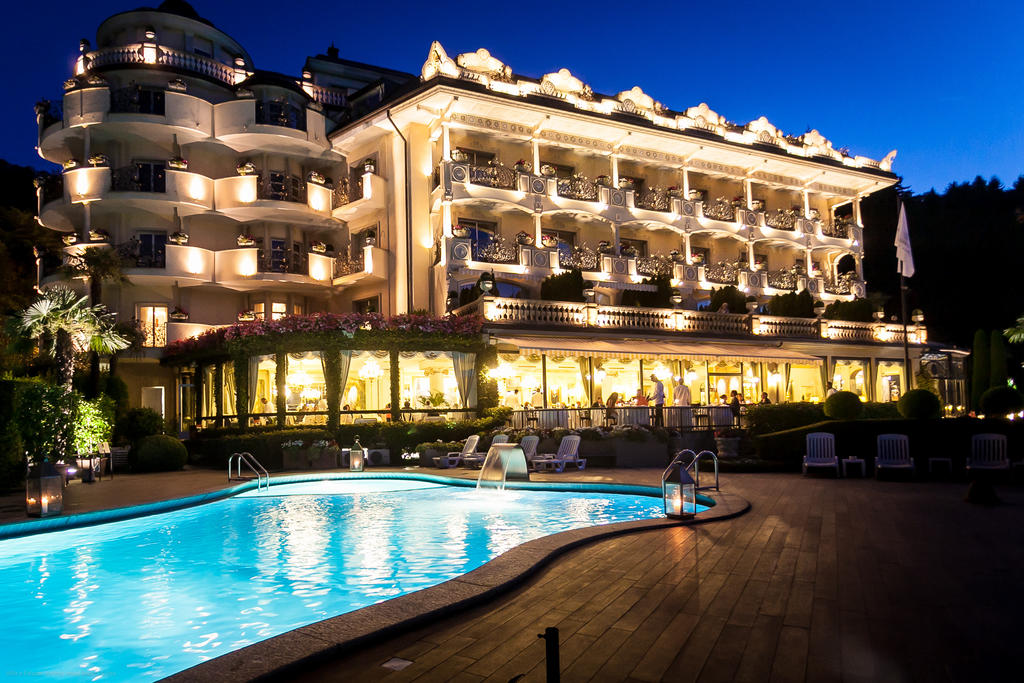
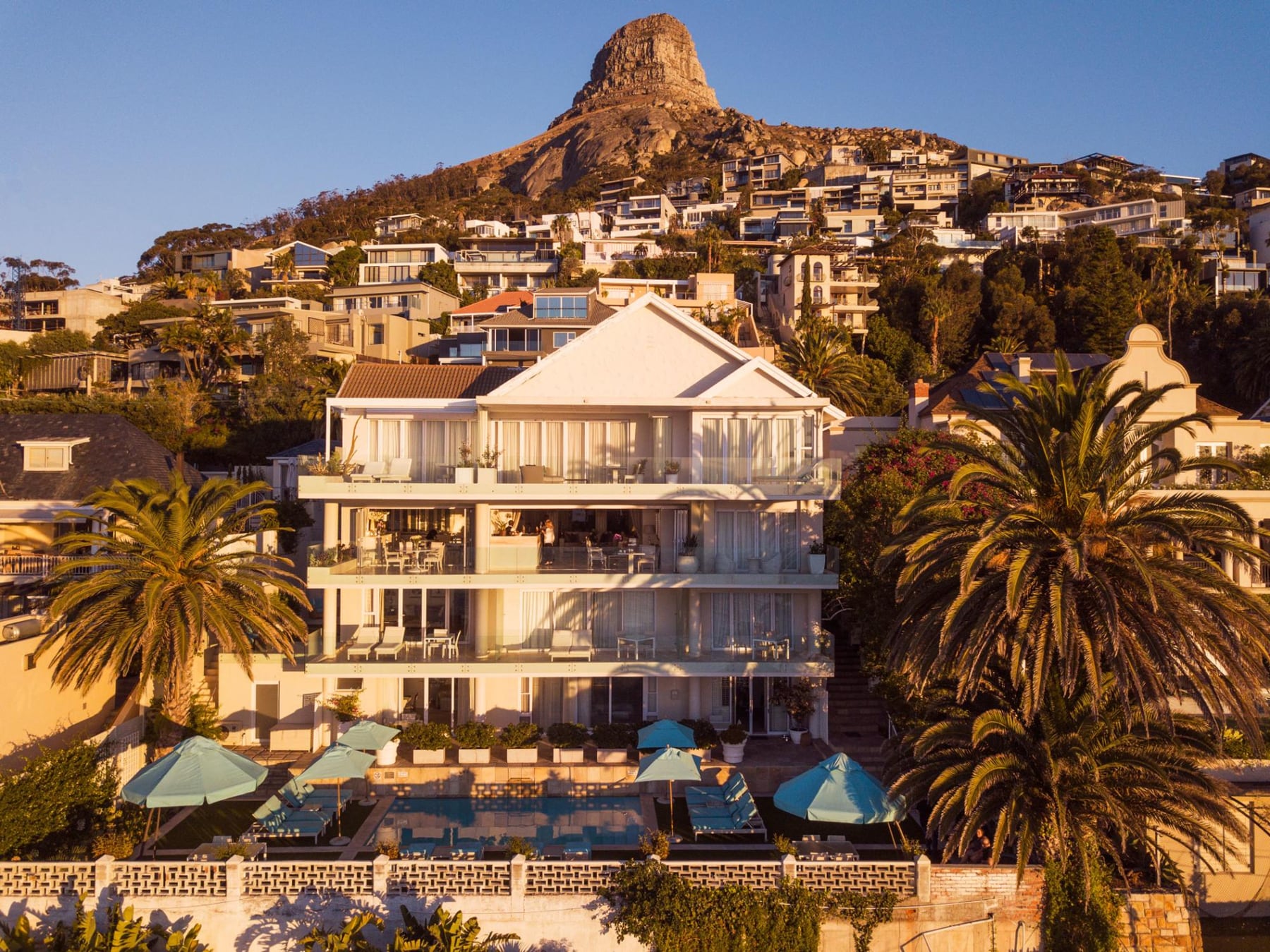
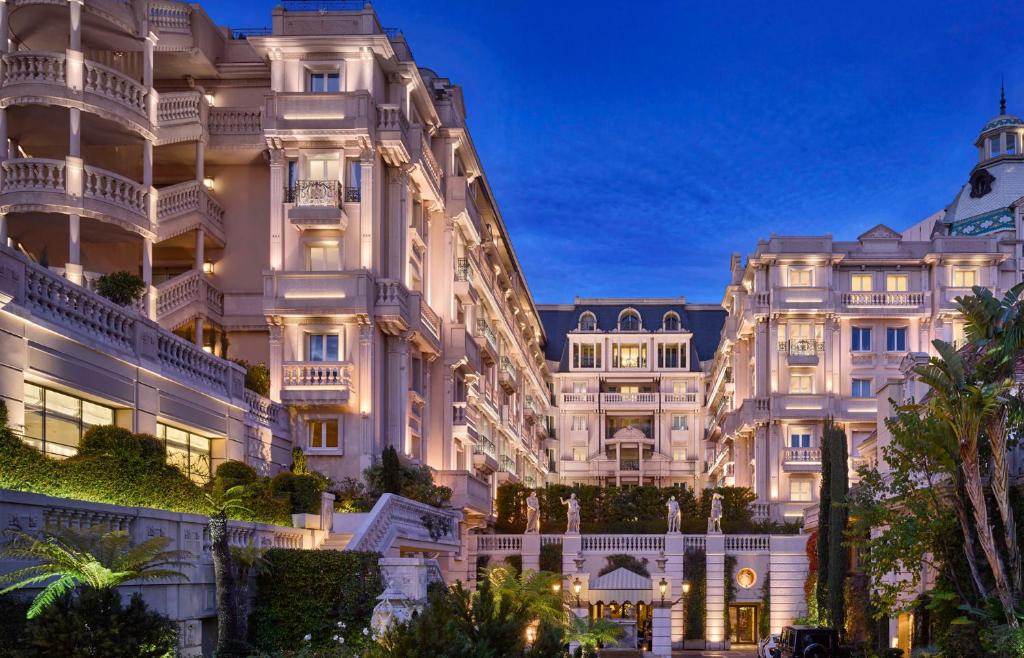
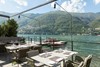
The hotel brings a new era of luxury to the banks of Italy’s iconic Lake Como. Awarded the title of “Most Anticipated New Luxury Hotel Opening in 2016” by Luxury Travel Advisor magazine and No 1 Hotel in Italy by Travel & Leisure Worlds Best Awarts 2021, this hotel's ethos of understated elegance presents a freshness to this well-established destination.
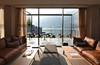
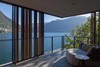
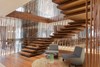
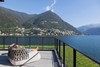
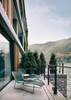
Designed by Patricia Urquiola, Wallpaper* Magazine Designer of The Year 2015, the all-suite hotel promises modern style and an authentic flair, all in the name of effortless comfort. This Lake Como Hotel incorporates the unparalleled beauty of the Lake in its seamless design with panoramic view from every inch of the outstanding property.
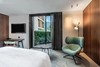
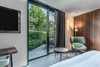
The 40 spacious suites, ranging from 50 square meters in size to the Penthouse at 200+ square meters, all make full use of the natural light and awe-inspiring scenery with floor-to-ceiling windows and views of the peaceful waterfront. Keeping with the Sereno promise that there is no substitute for space and a view, this intimate yet sophisticated property complements the breath-taking mountains, and tranquil waters with ease.
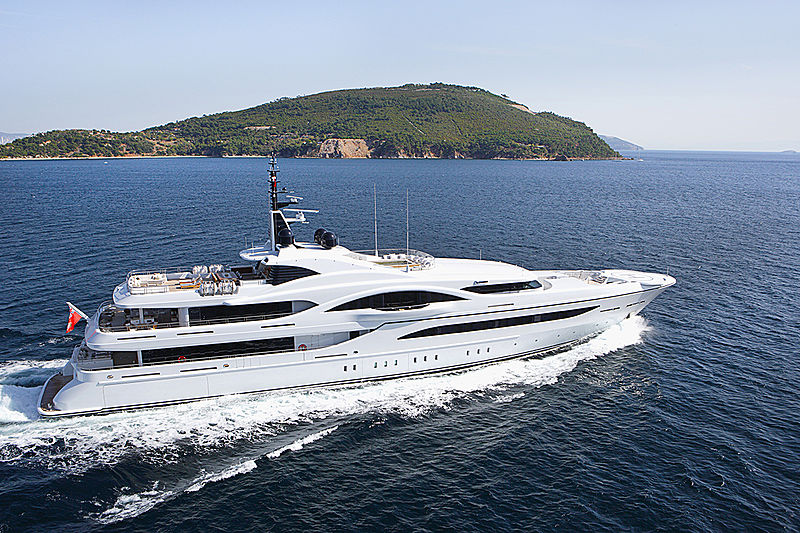
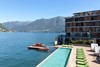
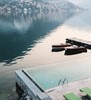
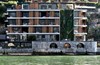
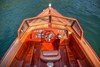
Guests can relax at the hotel’s full-service spa, situated under original, century-old arches. The property features a private beach, as well as a dock, allowing guests to arrive via one of the hotel’s boats, custom-built by Ernesto Riva. The 60-foot-long freshwater infinity pool suspended over the lake is without a doubt one of Il Sereno’s show-stopping features, and the large sundeck is perfect for spending a leisurely afternoon under the Italian sun.
The Design
Revered Milan-based architect and designer Patricia Urguiola achieves a stylish modern look at this hotel, moving away from the Faux Renaissance and Neo Classical designs that dominate the area. The New York Post, who predicted that the hotel “will bring a dose of highly contemporary style to the shores of Lake Como”, placed the hotel among the World’s Top 19 Hotels to Visit in 2016. Urquiola worked with the exquisite scenery and complements the natural surroundings with a flawlessly simple, yet contemporary design.
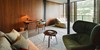
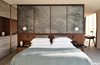
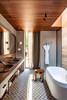
One of the leading names in design today, Urquiola has been commissioned by brands including Louis Vuitton, Baccarat, Panerai and Missoni, amongst many others. The peaceful sanctuary created by Urquiola uses the surrounding elements to ensure complete relaxation, and draws inspiration from Lake Como’s culture, lifestyle and history. The well-developed design sensitivity that Urquiola brings to the space ensures that each room incorporates and showcases the unique beauty that surrounds it. This project is of special importance to Urquiola with the hotel being close to her hometown, Milan, allowing her to have a real sense of what the property needs to remain authentic in its divine location. The hotel is made largely from natural materials, including wood, stone, wool and other fabrics, to create an aesthetic full of authenticity and personality, whilst remaining timeless.
Joining Urquiola on the project is esteemed botanist Patrick Blanc, whose two delicately-crafted vertical gardens and awe-inspiring sculptures can only be described as living works of art. This unique creation is made up of three different aspects, Le Mirroir Vert du Lac, Le Canyon and Les Racines Echasseesm, which is particularly noteworthy, as it makes this hotel the only place in the world where Blanc has done three distinct pieces in one project. Inspired by the colours and movement of the lake, this stunning artwork ensure that the hotel blends effortlessly with its backdrop. Key to the design has been to instil the same principles that have made Le Sereno St. Barths a success. The Hotel Group strive to ensure guests feel a strong sense of place, a well-developed design sensitivity and a feeling that the challenge of exclusive, sophisticated and high-end services in a relaxed and simple manner has been achieved. A central brand promise is that no matter how luxurious or well-designed, there is no substitute for space and a view.
Amenities
Lake Como Suites
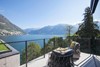
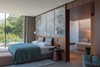
Following the hotel group's philosophy of contemporary luxury in an intimate setting, the hotel features 40 suites all lake facing, each with grand high ceilings, and just steps from the waterfront. The spectacular lake views and private furnished terraces make for an exceptional holiday experience. Our luxury suites range in size from a generous 45m2 (484 sq-ft) to The Penthouse at 200m2 (2,150sq-ft); which includes an expansive private terrace.
1-Bedroom Suites
The Piccoletta Suite
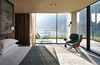
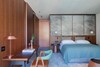
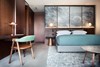
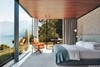
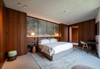
The Piccoletta room is handicap equipped. Complete with a luscious king size bed and floor-to-ceiling windows with views of Lake Como, this entry level room is an intimate retreat. The Piccoletta room uses the pattern of natural materials that is seen throughout the hotel: stone, walnut, bronze and glass. This color palette is enhanced with rich fabrics designed exclusively for Il Sereno by Patricia Urquiola. Please note that the Piccoletta bathroom is handicap equipped. The room’s area is 430 sqft / 40 sqm excluding the small garden.
Amenities in all 1-bedroom suites
The Lario Suite
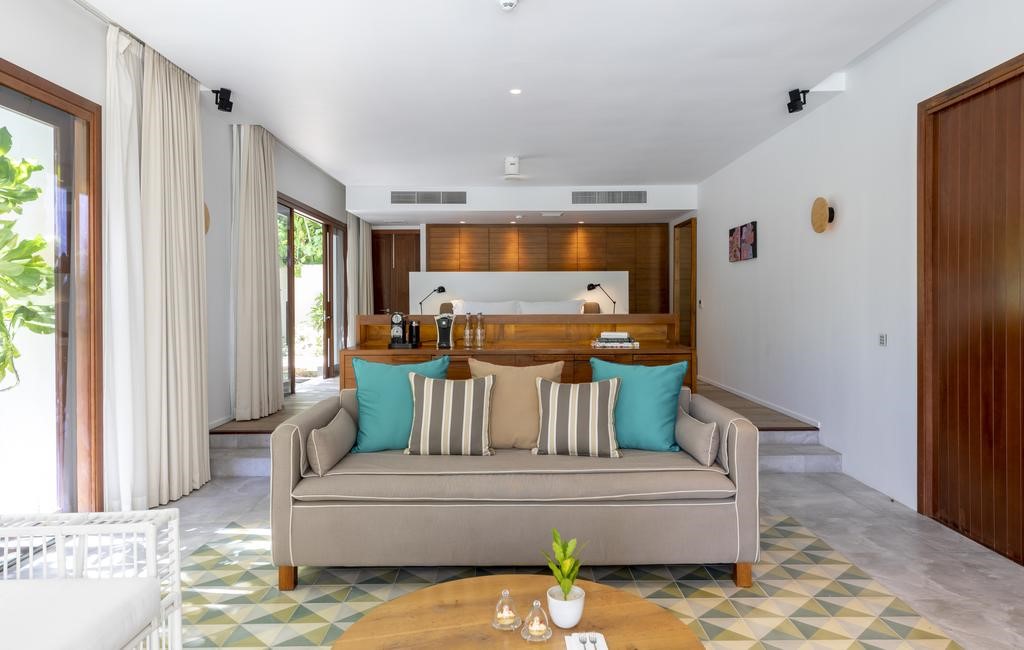
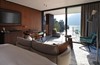
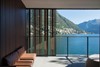
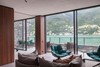
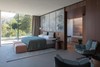
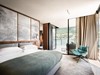
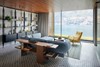
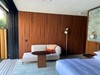
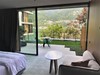
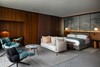
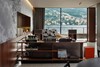
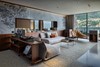
Supremely comfortable, these luxurious lake view suites evoke the relaxed elegant spirit of Lake Como. The suite has a living area inside with a sofa, full length mirror, desk, and a large reading chair. The floor to ceiling windows open up to a spacious terrace overlooking the lake.
The natural pattern and colour palette are complemented by rich fabrics designed exclusively for the hotel by the world-renown Patricia Urquiola. The suites provide a king-size bed overlooking the water. Avg size 538 sqft / 50 sqm – 678 sqft/ 63 sqm.
The Alcova Suite
The spacious Alcova Suites offer a king size bed as well as Urquiola’s innovative ‘Night and Day’ system in the alcove next to the main room. This design provides flexibility to organize the personal space to the guests’ tastes whether as a children’s room, a reading library or a workspace.
The Urquiola style shines effortlessly through the neutral color palette, natural materials and accents of especially-designed fabrics. The Alcova Suite provides a king size bed with a lake view, an outdoor terrace with lounge furniture, a Molteni Night and Day sofa (convertible into a bed suitable for children up to 16 years old, available at an additional charge), full length mirror, desk, and a large reading chair. Room area ranges from 645 sqft. / 60 sqm – 753 sqft. /70 sqm including the furnished terrace.
The Garden Lake View Suite
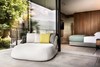
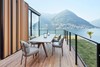
The suites come with a king-size bed overlooking the water, a large sofa, full length mirror, desk, and a large reading chair. The suite opens up to a spacious furnished private garden including a dining table and very comfortable lounge furniture overlooking the water. Room area is 860 sqft / 80 sqm including the furnished garden.
The suite opens up to a spacious furnished private garden including a dining table and very comfortable lounge furniture overlooking the water. Room area is 800 sq. ft including the furnished garden. The natural pattern and color palette are complemented by rich fabrics designed exclusively for Il Sereno by the world-renown Patricia Urquiola.
The Grand Suite Lago
The Grand Suite Lago is sleek and serene, providing spectacular views of the placid lake. These suites offer a spacious furnished terrace, a sofa, full length mirror, desk, and a large reading chair. Supremely comfortable, these luxurious and spacious suites evoke the relaxed elegant spirit of Lake Como. The suite has a living area inside and a spacious terrace overlooking the lake.
The natural pattern and color palette are complemented by rich fabrics designed exclusively for Il Sereno by the world-renowned Patricia Urquiola. The Grand Suite Lago category accounts for almost two thirds of the rooms at the hotel. The suites provide the choice of either a king-size bed or two twin beds overlooking the water. Room area ranges from 700 sqft / 65 sqm. to 914 sqft / 85 sqm including the furnished outdoor terrace.
The Corner Suite
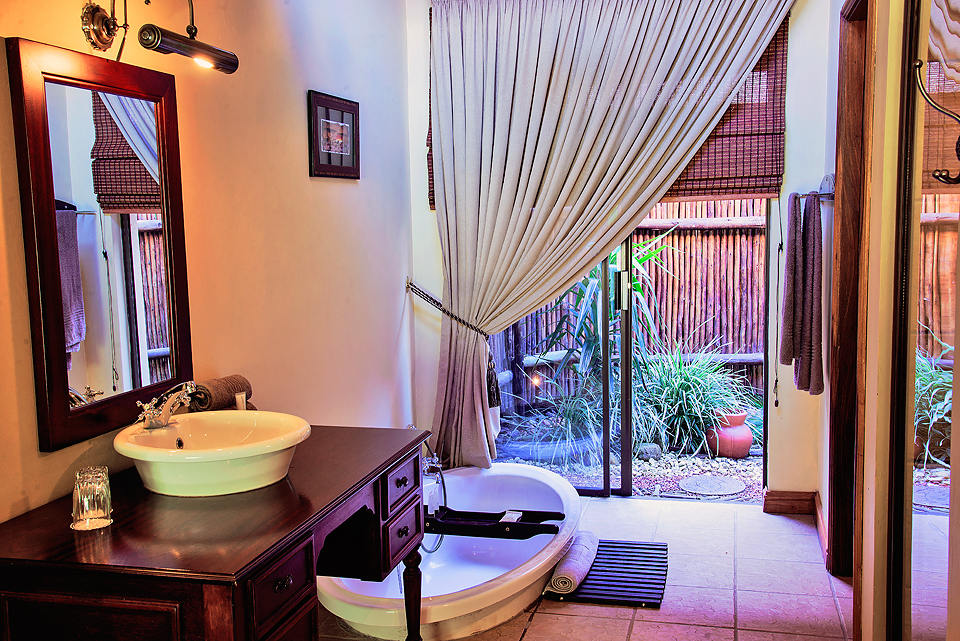
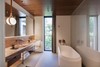
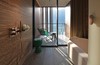
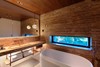
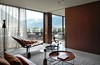
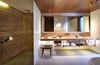
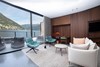
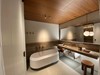
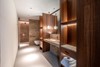
At this hotel all suites have lovely views of the lake, but as the name implies, the Corner Suites boast breath-taking views with more than 180-degrees exposure. The floor-to-ceiling windows offer sweeping views of the calm waters and commanding mountain ranges- truly bringing the beauty of the surrounding nature indoors. Urquiola’s artful designs make use of earthy materials and natural patterns in the Corner Suites, which ties seamlessly into the overarching designs . The Corner Suite bathrooms come with a rain shower, large bathtub and floor-to-ceiling windows opening on to its’ own terrace overlooking the lake.
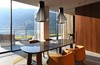
These suites are lined with expansive outdoor terraces featuring lounging furniture and a dining table. Inside, the suites offer a king-size bed, a sofa, chairs, desk and a table. The corridor accessing the Corner Suite can be privatized and combined with the adjoining Suite to make a two bedroom Family Corner Suite. The room’s area is 83 sqm/ 900-sqft., including the furnished terraces.
The Darsena Suite
The overly spacious Darsena Suite has two bathrooms, a dining room, living room, wet-bar, a huge walk-in closet plus a large fully furnished terrace on the lake, including an outdoor sitting and dining area. The Suites master bedroom has stunning views of the Lake. The suite can accommodate four persons (2 Adults and 2 children up to 16 years old). As is the case for all the suites in the hotel, all the interiors and furnishings are designed by Patricia Urquiola. Average size is 1,330 sq. ft.
The Penthouse Suite
The Penthouse Suite is incredibly spacious, and perched on the top floor of the hotel. The suite enjoys a grand outdoor terrace. Inside, there are two bathrooms, a dining room, wet-bar, multimedia room and an expansive walk-in closet. The Penthouse Suite is complete with a master bedroom, and can accommodate up to four people (2 adults and 2 children up to 16 years old) using the innovate day & night system.
The floors are inlaid with Venetian terrazzo, and the large bathroom is panelled in stone with its own sky light allowing gorgeous natural light. Another advantage of being on the top floor are the jaw-dropping views covering 180 degrees if the stunning shores of Lake Como. As is the case for all the suites in the hotel, the exquisite interiors and furnishings are by Patricia Urquiola. The suite has an average size is 2,000 sq ft / 185 sqm.
The Darsena Listening Suite
The Darsena Listening Suite at Il Sereno Lago Di Como is the world’s first hotel suite created entirely around the art of listening, this 200 m² lakefront space blends iconic hi-fi audio with refined Italian design.
Featuring heritage-grade analogue equipment—horn speakers, tube amplification, turntable, and a vintage reel-to-reel deck—the suite invites guests to slow down and immerse themselves in music. A curated vinyl library of 500+ records spans genres and eras, with personal requests added on demand.
Every detail, from acoustic textiles to lake-facing glass walls, invites sensory immersion. Guests enjoy in-suite, Michelin-starred dining with musical pairings, and may even request favorite albums in advance.
A sanctuary for sound. A suite like no other.
The suite features two bathrooms, a dining room, a wet bar, a multimedia lounge, an enormous walk-in wardrobe, plus a fully furnished lakeside terrace with both a seating area and a dining space. It includes a master bedroom and can accommodate up to 2 adults (No children no dogs allowed). As with all of the hotel’s suites, every interior detail and piece of furniture is by Patricia Urquiola. The average size is 200 m².
The Signature Penthouse
The exquisite interiors and furnishings designed by Patricia Urquiola are inspired by Post-war Italian Glamour, ‘La Dolce Vita’, Modernist Italian Designers and Como Silks . The suite is rich in materials including Canaletto walnut wooden ceilings, Verde Alpi stone walls and Ceppo di Gre and venetian terrazzo stone floors. The choice of furniture is a tribute to the emblematic pieces of Italian design and can be shopped online on our webshop. The Penthouse has a large living room, dining space, two bathrooms, main bedroom, with spectacular lake views from all the rooms. The suite enjoys a grand 30M2 outdoor terrace as well as a 50M2 decorative garden. Average size is 1500. Sq. ft. including the furnished terrace.
The Penthouse has a large living room, dining space, two bathrooms, main bedroom all with spectacular views of the lake from all the rooms.
Dining
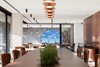
Our hotel stands proudly recognized in the MICHELIN Guide 2024 as one of the best restaurants in Lake Como. Nestled within the acclaimed hotel and under the culinary guidance of Chef Raffaele Lenzi, our establishment has been honored with a Michelin Star. Chef Lenzi’s culinary philosophy revolves around showcasing the pure essence of raw ingredients, infusing a delicate touch into each dish. His cuisine is a tribute to the Italian spirit—an experiential journey that transforms into a gastronomic adventure. Vegetables take center stage, creating a harmonious fusion of diverse flavors and cultures. Embracing simplicity in ingredients is paramount, forming a cohesive theme in each course.
Lunch
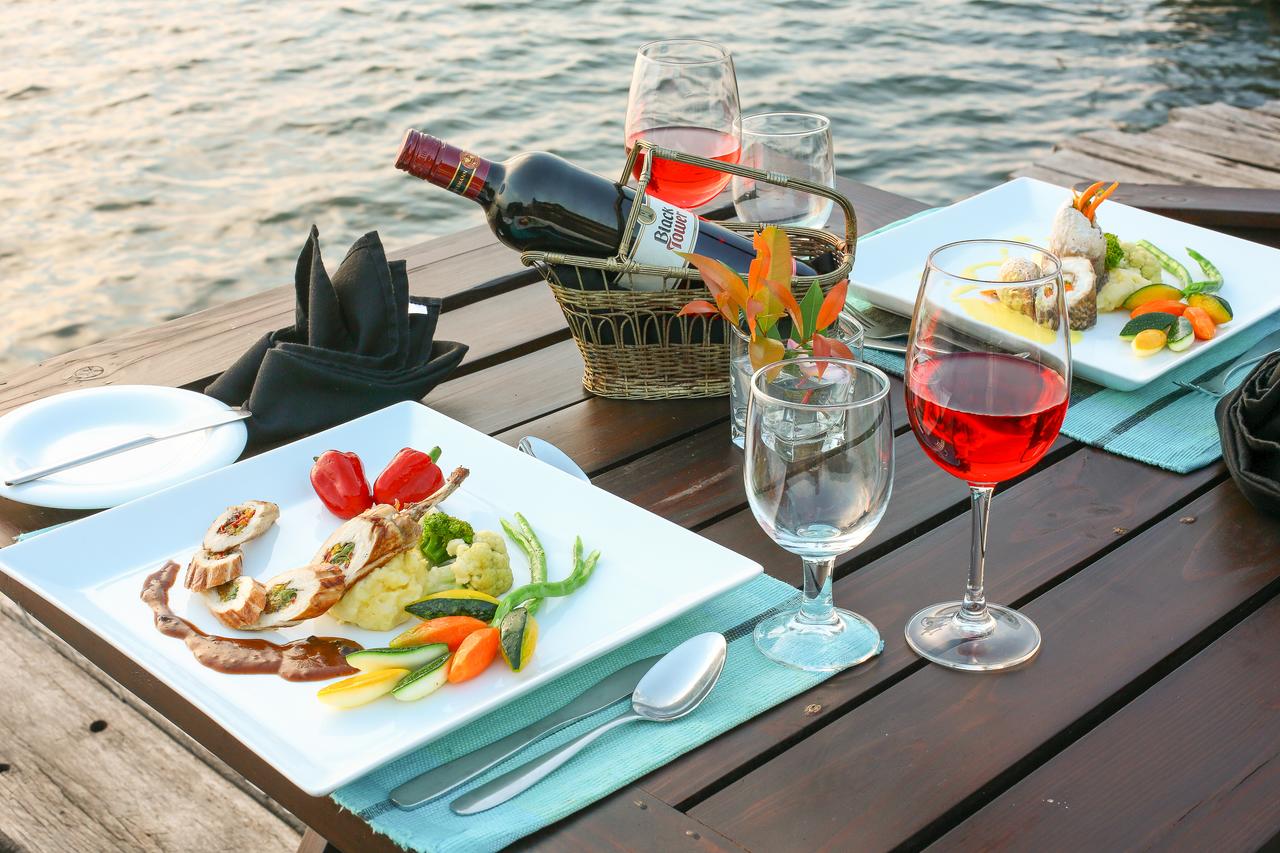
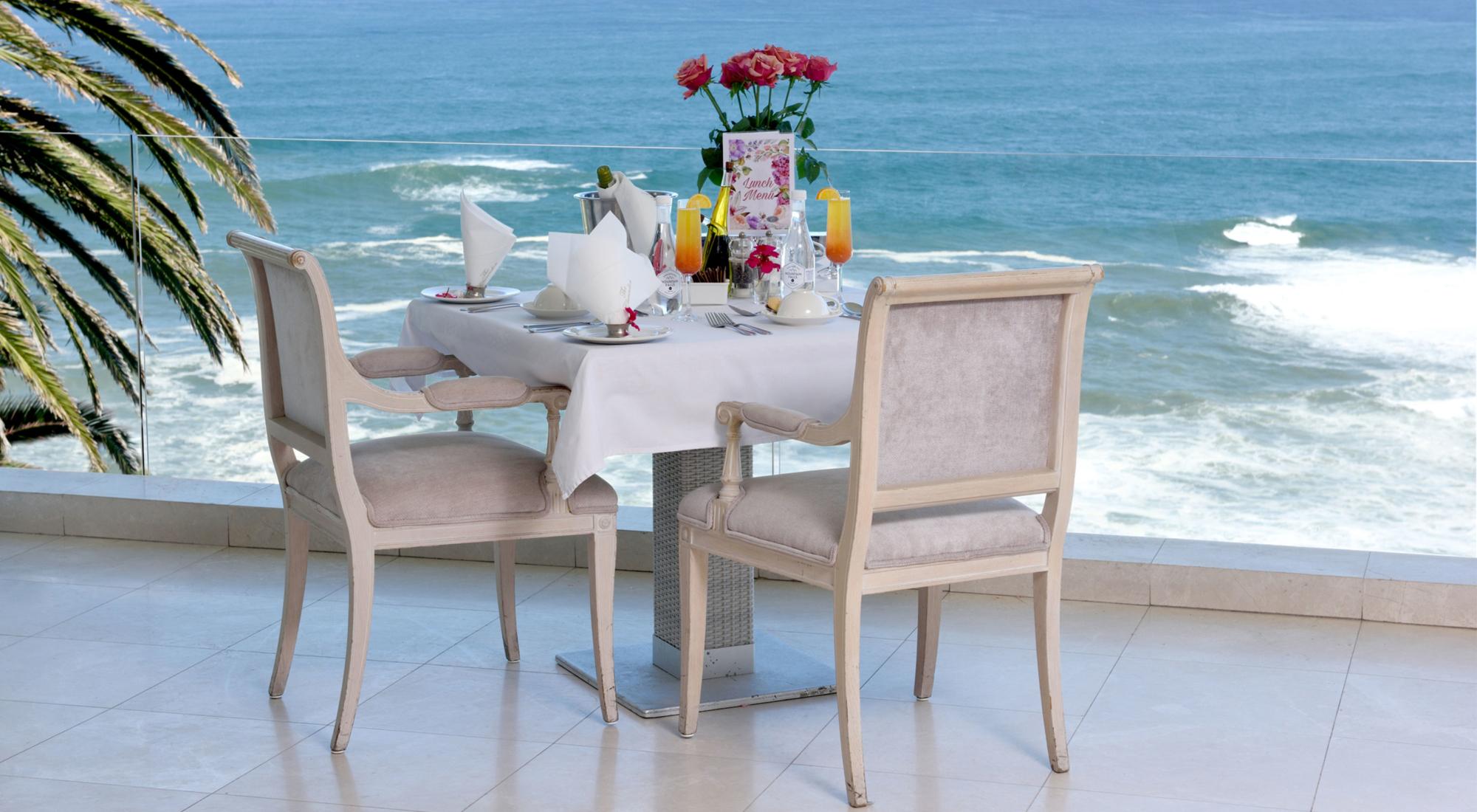
At lunch, served alongside the lake, the dishes are characterized by simplicity and traditional regional flavors, offering a relaxed Lake Como dining experience where you can enjoy the splendid landscape at its fullest.
Dinner
At dinner, Chef Raffaele Lenzi highlights his cooking philosophy, bringing to life concepts that have earned him a Michelin star since November 2017. There are three tasting menus: Homage to Tradition, a five-course menu that traces the main stages of our gastronomic culture, through a modern reinterpretation. The offer is completed by a menu which offers the classic flavors of the Lombardy region, while simultaneously boasting contemporary recipes.
CHEF RAFFAELE LENZI
Born in Naples in 1984, Raffaele Lenzi is the Executive Chef of Il Sereno al Lago. After working in both England and the United States, he returned to Italy in 2008, working at some of the finest restaurants in the country: Bruno Barbieri, 2** Michelin at the Arquade; Elio Sironi, at the Bulgari Hotel and Resorts; Pino La Marra, 2** Michelin at Palazzo Sasso; and finally Stefano Baiocco, 2 ** Michelin at the Grand Hotel at Villa Feltrinelli. After the experience as executive sous chef at the Armani Hotels & Resorts Milan, from 2011 to 2013, Lenzi led the three-starred Bo Innovation in Hong Kong and Manresa in Los Gatos, California. Afterward, he returned home as executive chef of the Turbigo restaurant on the Navigli, and became the contact person for Seven Stars Galleria, coordinating the James Beard American Restaurant within EXPO Milano. Since July 2016, he has worked alongside the Il Sereno Hotel project, and on Lake Como, as executive chef. In 2017 the hotel's restaurant won one Michelin Star and since 2019, the chef has taken on the role of Corporate Chef, while also working on the other properties of the Contreras family: Villa Pliniana, a historic residence on Lake Como, and Le Sereno, the sister property located in the Caribbean Island of Saint-Barthélemy. Raffaele Lenzi’s cuisine focuses on raw and local ingredients, highlighting balanced menus which are an essential component of his cooking.
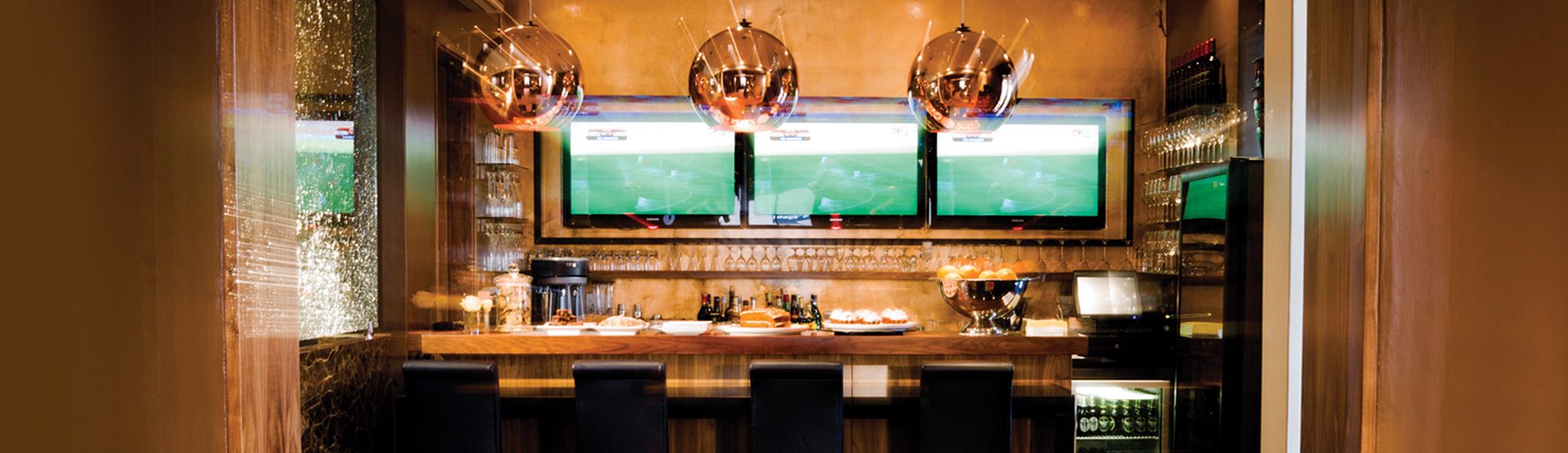
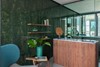
Lobby Bar
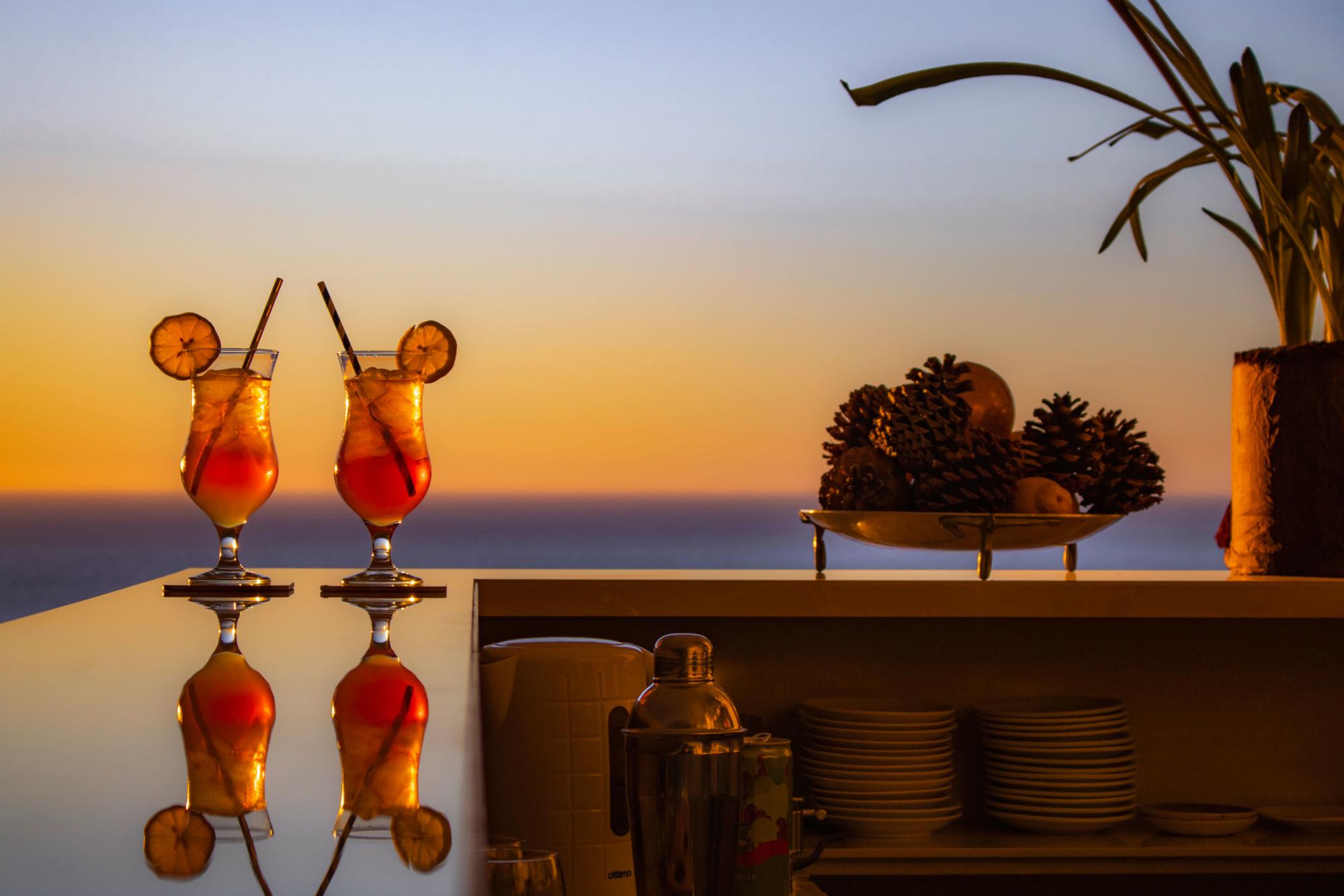
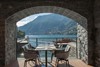
Our Lobby Bar offers guests unparalleled views to admire the sunset on one of the most beautiful landscapes of our country, Lake Como.
The identity of Il Sereno is to link two worlds that are geographically distant: the Asian territory and the Italian one, with a particular focus on the Lake Como area. Many of our cocktails that are offered in the Lobby Bar have been inspired by our bar manager Don Vidura Nilaksha Colambage, who is originally from Sri Lanka.
There are also six mocktails on the menu, which are characterized by the use of aromatic herbs and flowers, such as thyme, laurel and chamomile. Each mocktail is made by replacing traditional spirits with non-alcoholic flavors, and can be enjoyed on our terrace or at the lake or waterfront pool.
Wine Cellar
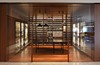
Italy and Champagne. The two go hand in hand for the sommelier at our hotel. The elaborate wine list offers noble Italian labels. Each wine is carefully selected with a mixture of small and local producers. In the cellar, guests can also find Verdese wine, which grows only in a restricted area bordering Lake Como, on the reds of Valtellina, coming from Franciacorta, north of Lake Como. Afternoon tastings are also organized for hotel guests where the sommelier offers personalized wine tastings, while sharing stories and anecdotes as to how each wine became a part of the Il Sereno cellar.
Welcome to The Spa at our hotel
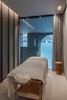
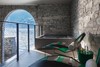
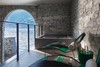
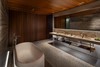
Originally built as the Darsena (boathouse) of the property over a century ago, the SPA has been transformed by the well-known designer Patricia Urquiola into a modern and relaxing facility which reflects its history and Lake Como. The Spa disposes of an outdoor relaxation area with a pool literally built over the water, which is the perfect place to rest and cool down. There are also a sauna and a steam room, both designed by Patricia Urquiola and finished with Italian tiles. The SPA at Il Sereno offers massages along with a wide range of rejuvenating treatments and Valmont products, renowned cellular cosmetics and anti-aging treatments inspired by nature. Whether you are looking for a facial or a body treatment, the SPA at Il Sereno will offer you a unique and tailored experience, leaving you with visible and effective results signed by Valmont.



Cliff Jacobs (Nat Dpl Hotel Man (UJ). MPRE. GA Level 5 TEFL) Managing Principal / CEO Exquisite Hotel Consultants (Pty) Ltd Mobile: +27 (0) 84 413 1071 / +27 (0) 61 716 6951 Email: cliff@exquisitehotelconsultants.com Web: https://www.exquisitehotelconsultants.com © All rights reserved Terms and Conditions apply Scroll down to view our Hospitality Properties and Businesses for sale or lease or lease-to-buy or partnership arrangement or management agreement arrangement.
