.JPG "Exquisite Properties")
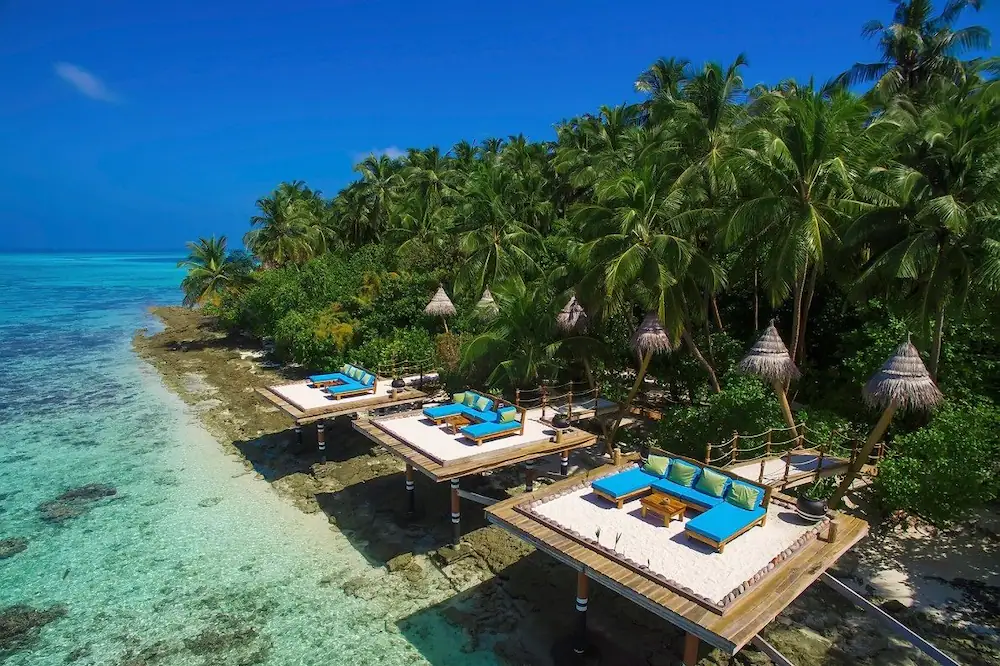
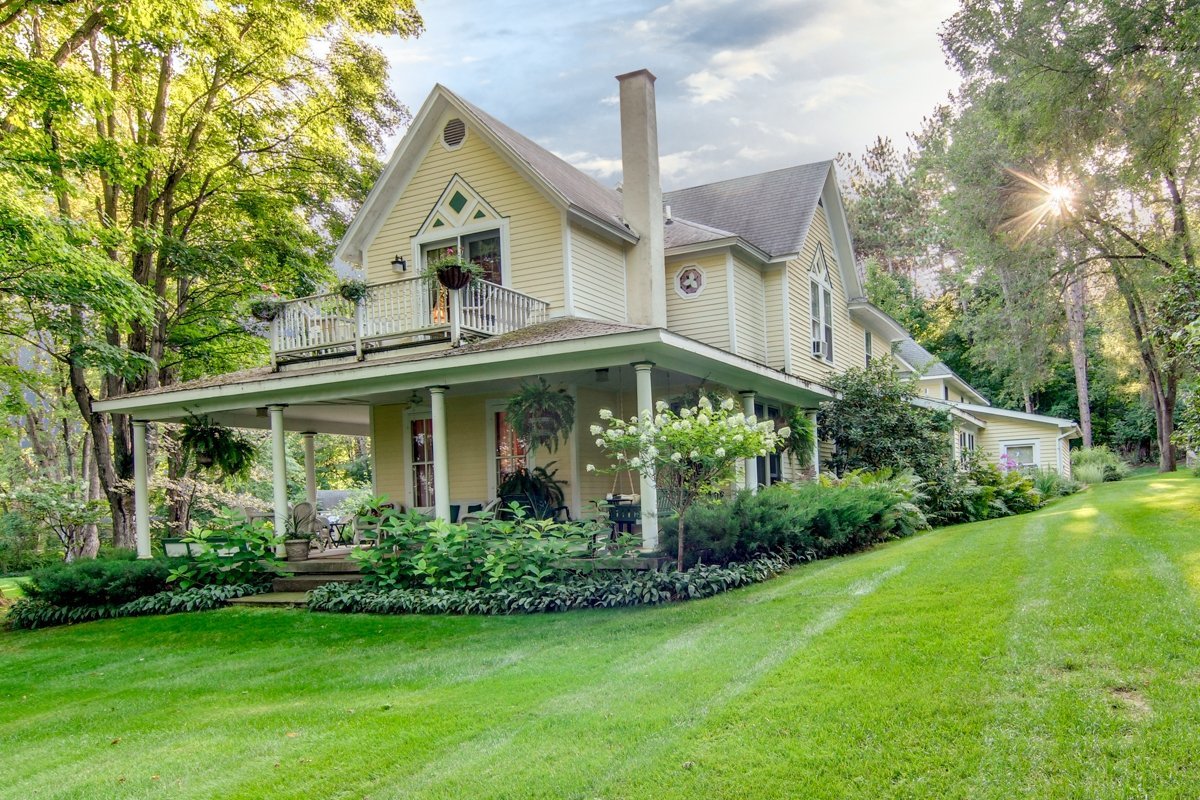
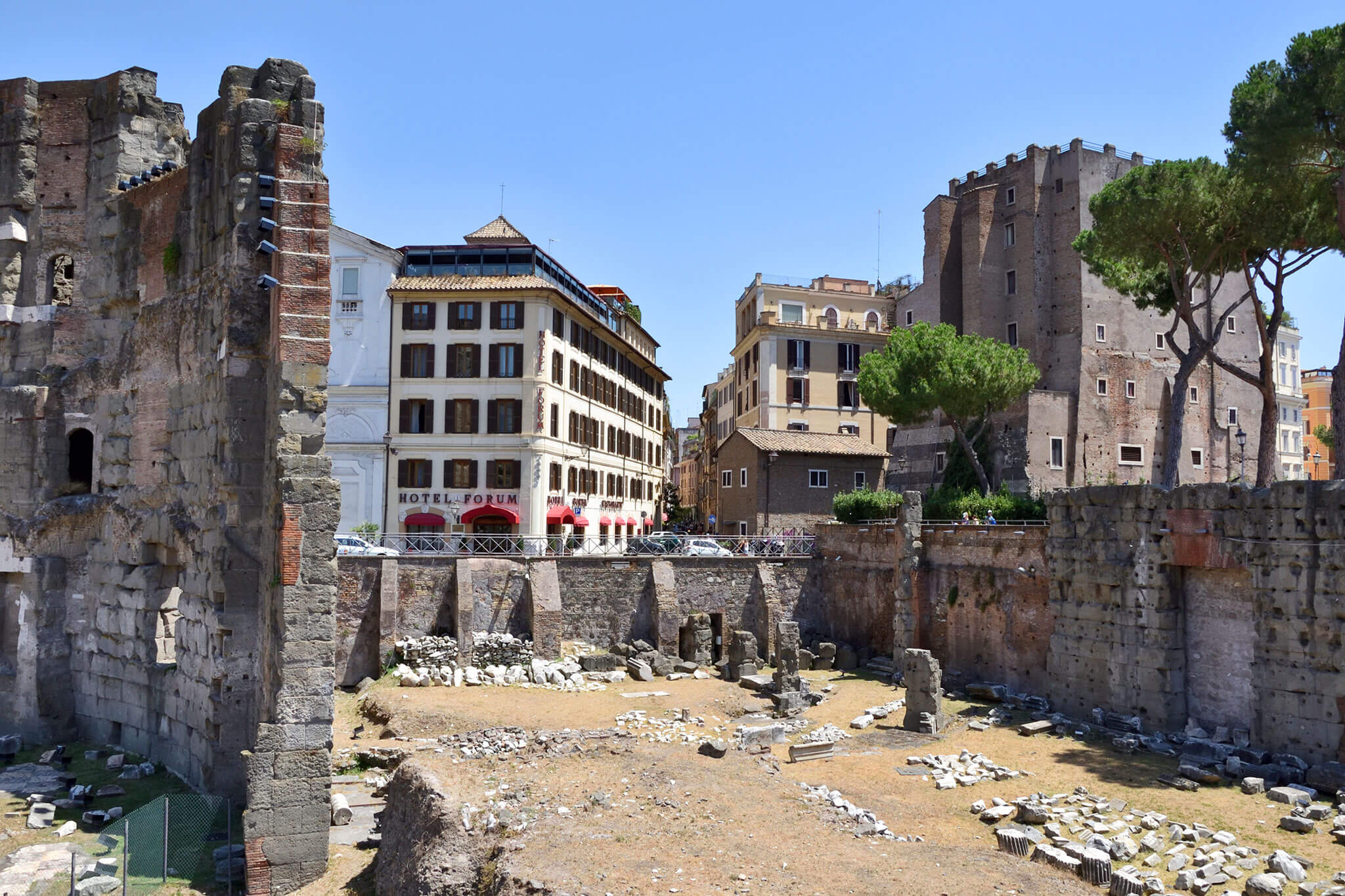
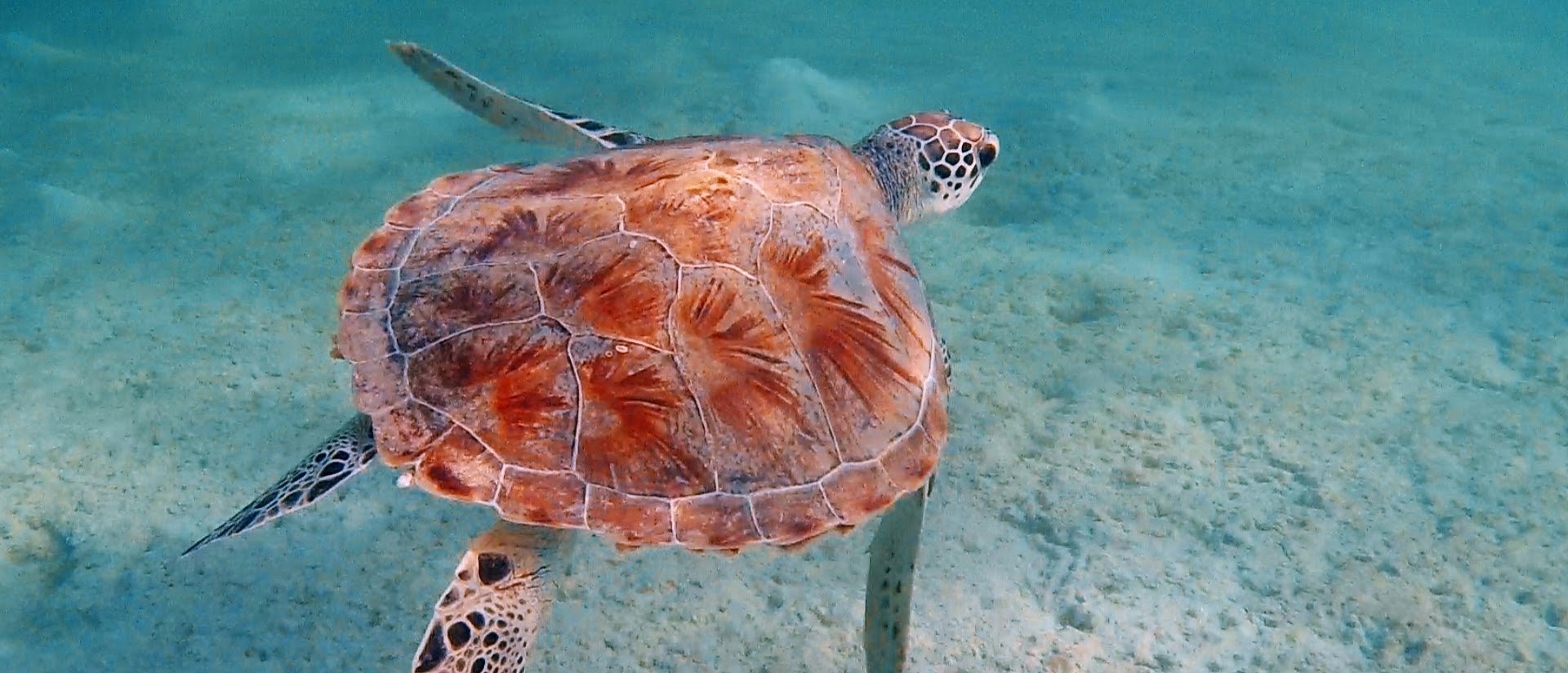
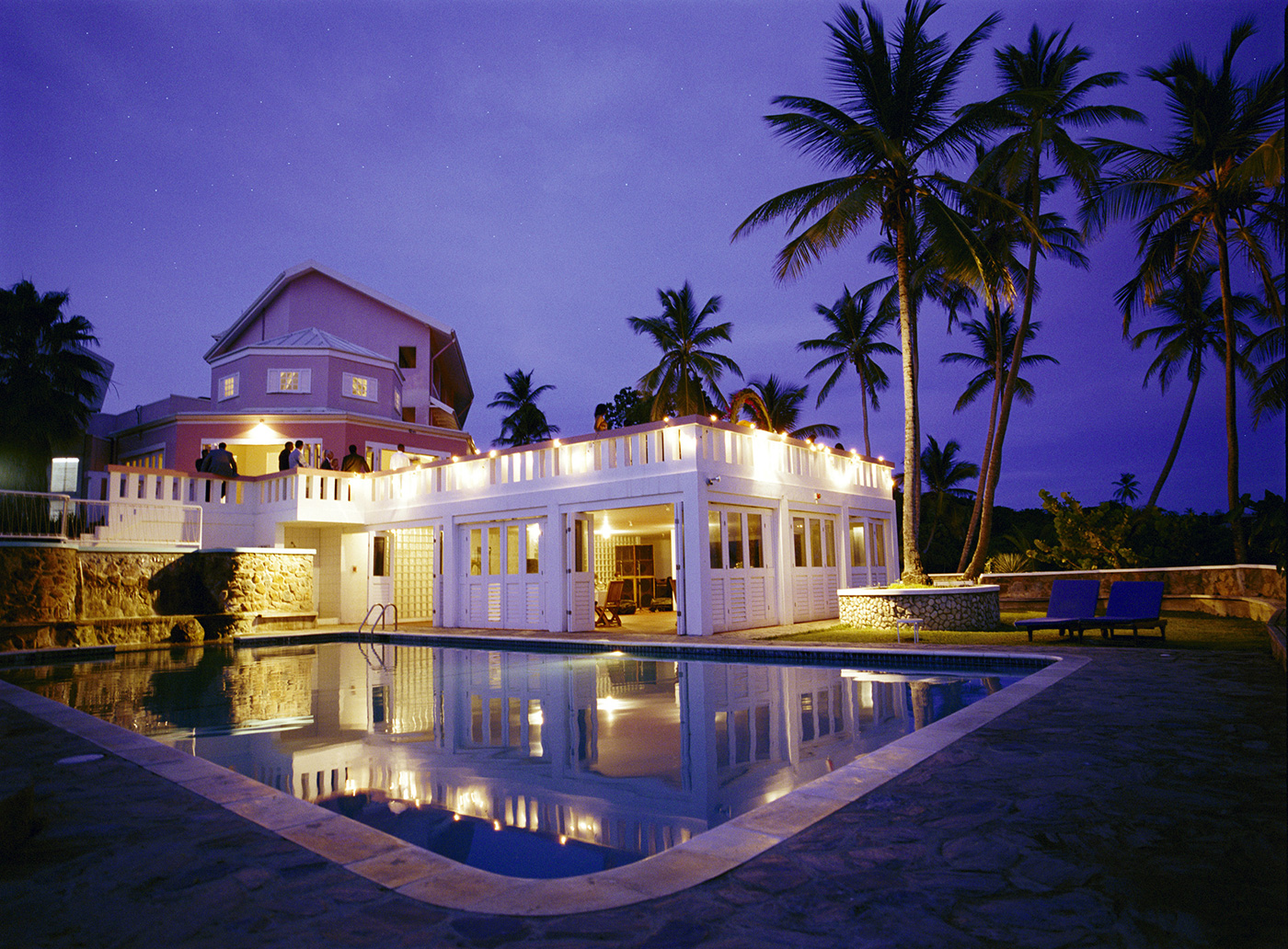
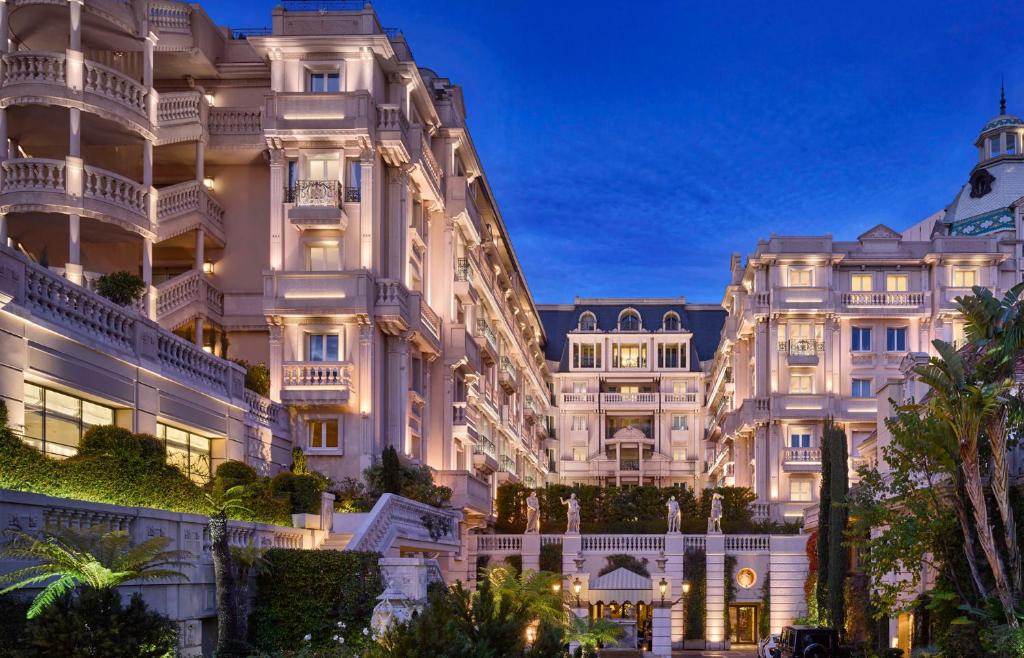
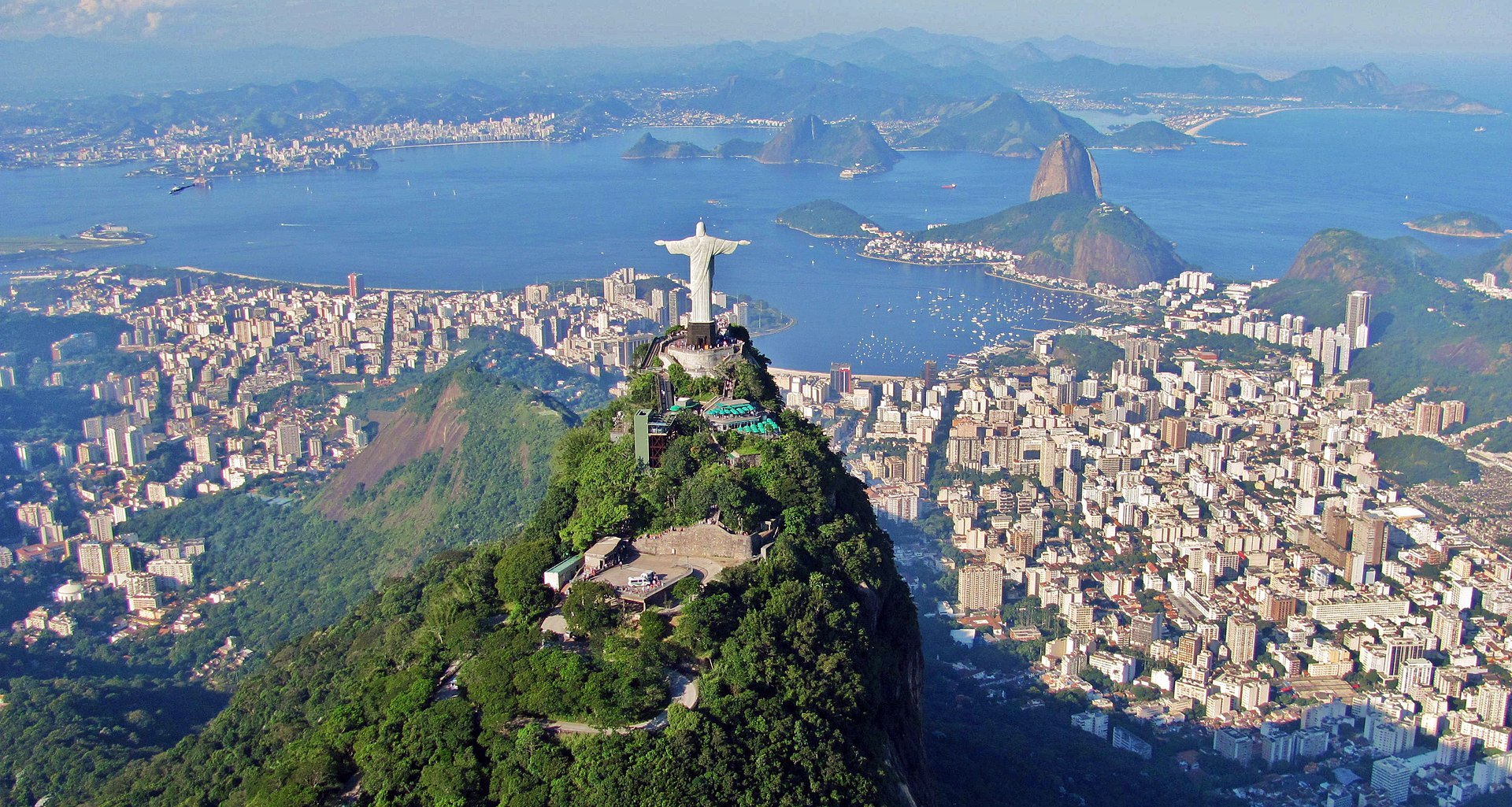
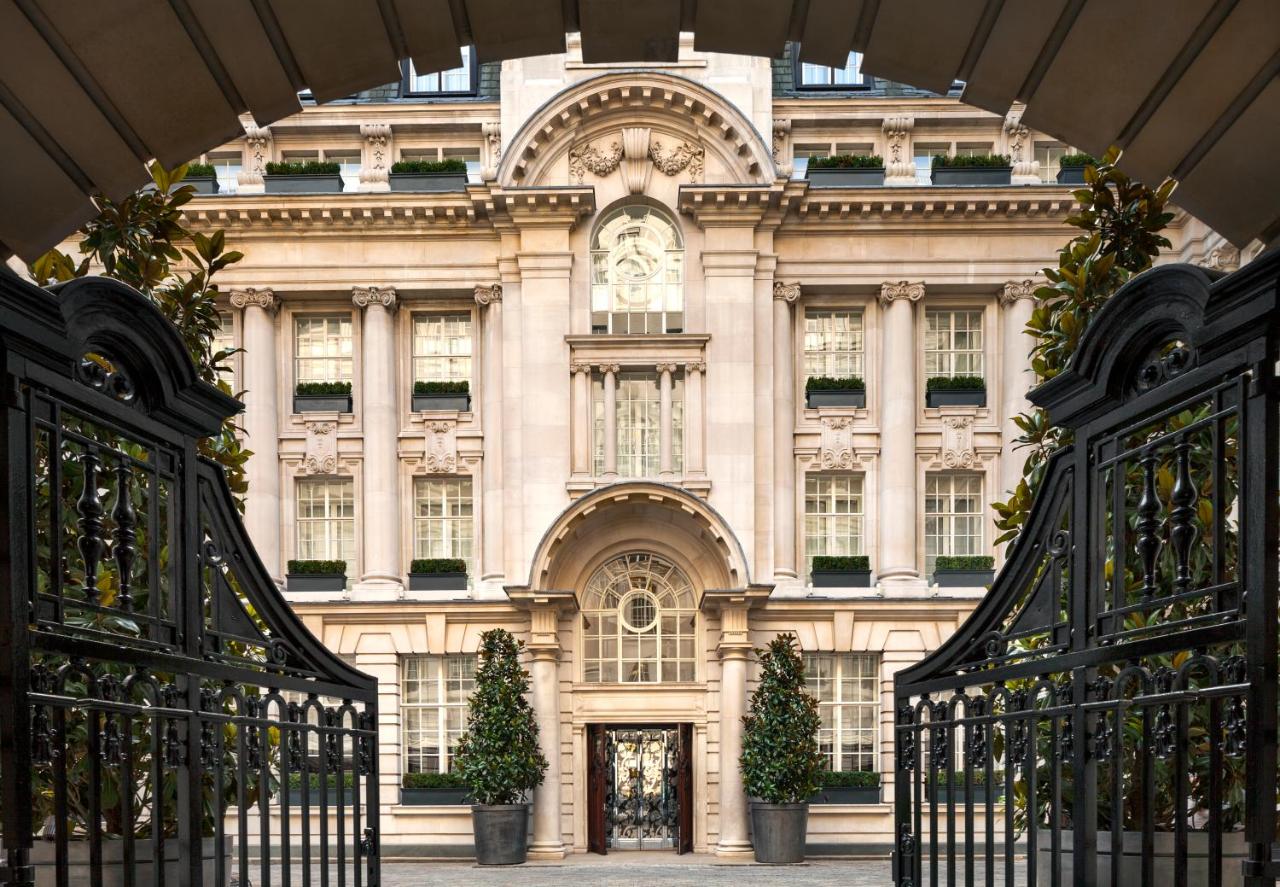

Hazyview, Mpumalanga, South Africa
Agent: Cliff Jacobs - Managing Principal Property Practitioner & CEO - Exquisite Hotel Consultants (Nat.Dpl.Hotel Man (UJ). M.P.R.E.)
Agent Cellphone: +27 (0) 84 413 1071 / +27 (0) 61 716 6951
Agent Office Number: +27 (0) 84 413 1071
Agent Email Address: cliff@exquisitehotelconsultants.com
Type: Boutique Lodge
Bedrooms: 13
Bathrooms: 13
Showers: 13
Parking: 0
Yield: Not Disclosed
TGCSA Rating:

Hazyview
Hazyview is a sub-tropical farming town in Mpumalanga, South Africa.
Mpumalanga
Mpumalanga (/əmˌpuːməˈlɑːŋɡə/; Portuguese: Mepumalanga) is one of the nine provinces of South Africa. The name means "East", or literally "The Place Where the Sun Rises" in the Nguni languages. Mpumalanga lies in eastern South Africa, bordering Eswatini and Mozambique. It shares borders with the South African provinces of Limpopo to the north, Gauteng to the west, the Free State to the southwest, and KwaZulu-Natal to the south. The capital is Mbombela.[5]
Mpumalanga was formed in 1994, when the area that was the Eastern Transvaal was merged with the former bantustans KaNgwane, KwaNdebele and parts of Lebowa and Gazankulu. Although the contemporary borders of the province were formed only at the end of apartheid, the region and its surroundings have a history that extends back thousands of years. Much of its history and current significance are as a region of trade.
History
Precolonial era
Archeological sites in the Mpumalanga region indicate settlement by humans and their ancestors dating back 1.7 million years. Rock paintings, engravings and other archeological evidence throughout the province indicate that Mpumalanga has a long history of human habitation by groups of hunter gatherers. Excavations not far from the Mpumalanga border in the Origstad district, show evidence of Middle Stone Age habitation dating back to 40,000 years ago. The Lion Cavern, in Ngwenya on the Eswatini border, shows evidence of people mining iron ore in the Mpumalanga region and surrounding areas from at least 28,000 years ago.
Evidence from mine shafts and trade goods shows that there was notable industry in tin, copper, gold, iron, ochre, and bronze. The Lydenburg Heads, from around 500 CE, are Africa's oldest Iron Age artworks south of the equator and were found in Mpumalanga. Evidence from a site near Mbombela shows evidence of agricultural societies from between the 6th to 17th century.
Mbayi stone-walled sites on the Mpumalanga highveld are indicative of a large precolonial agropastoral society between ~1500 and 1820 CE. These societies became centers of trade, with increasingly large and centralised populations This pattern increased as they connected to the Portuguese trading post in Maputo Bay.
In this era, groups that would become the Swazi, Pedi, Ndebele, Tsonga people, Mapulana and others established themselves in the area that is now Mpumalanga.
Colonial era
In 1845, as part of the Great Trek, the first Dutch-speaking colonial settlers arrived in what they called the eastern Transvaal. The rest of the 19th century in the region was characterised by colonial encroachment and conflict over land and political control. In 1852, the Boers established the South African Republic. The well established Pedi, Swazi and Zulu kingdoms put up significant resistance against the settlers. The Pedi fought wars with the Boers in 1876 (see Sekhukhune Wars) and the Zulu fought with British settlers in 1879 (see Anglo-Zulu War). These interconnected conflicts played a role in shifting the balance of power in southern Africa to colonial control. After 1860, missionaries, especially German missionaries, like Alexander Merensky, set up mission stations in the region, spreading Christianity and European values.
Just as the region had been a center for trade in the precolonial era, in the colonial era, the Eastern Transvaal region became an important thoroughfare for trade between Johannesburg and Delagoa Bay (now Maputo). Gold mining around areas like Pilgrims Rest and Barberton and farming were the main forms of economic activity. On farms in the Transvaal, under a system known as Inboekstelsel, Boers carried out raids to capture children and forced them into indentured labour. During the South African War, the region was the site of notable battles.
Apartheid
When the National Party came to power in 1948, their policy of apartheid intensified the segregation that had defined communities in the Transvaal. Under a policy of forced removals, Black South Africans were evicted from areas reserved for white people and moved into homelands, including KaNgwane, KwaNdebele, Lebowa and Gazankulu. As the apartheid regime implemented oppressive policies that defined almost every aspect of life, activists responded with resistance.
In 1959, the small town of Bethal on what is now the Mpumalanga highveld was the center of the anti-apartheid consumer potato boycott in response to the working conditions Black South African labourers faced on farms in the area. The region was influenced by dynamics in exile and elsewhere in the country, for instance Black Consciousness, the Sharpeville Massacre and the 1976 Soweto Uprisings. In the 1980s, under intense repression, youth and labour organizations moblized against the government and townships and Bantustans erupted in political unrest and violence.
In 1986, an avoidable disaster killed 177 mine workers in Kinross Mine in the region's highveld. The response to the disaster by the National Union of Mineworkers was a key point in the South African labour struggle. By the late 1980s, the intensity of resistance across South Africa (including areas like Mpumalanga, which hadn't previously been seen as key areas of resistance) combined with economic factors and international pressure was strong enough to end apartheid. On 27 April 1994, when South Africa held its first democratic elections, Mpumalanga province was formed. It was originally called the "Eastern Transvaal" province, but the name was later changed to Mpumalanga on 24 August 1995.[citation needed]
Post-apartheid
The liberation movement turned leading party, the African National Congress (ANC) came into power in Mpumalanga after white minority rule ended. A program of land redistribution, aimed at granting land back to the black communities who were forcibly moved during apartheid, had redistributed tens of thousands of hectares to these communities and their descendants. However, the process has been marked by corruption, controversy and has been seen as inadequate to address the extent of apartheid spatial planning.
In 2001, 1,270 hectares of the Boomplaats farm near Mashishing was the first farm in South Africa to be expropriated.
Geography
The Drakensberg escarpment divides Mpumalanga into a westerly half consisting mainly of high-altitude grassland called the Highveld and an eastern half situated in low-altitude subtropical Lowveld/Bushveld, mostly savanna habitat. The southern half of the Kruger National Park is in the latter region. The Drakensberg exceeds heights of 2000 m in most places, with this central region of Mpumalanga being very mountainous. These regions have alpine grasslands and small pockets of Afromontane forest. The Lowveld is relatively flat with interspersed rocky outcrops. The Lebombo Mountains form a low range in the far east, on the border with Mozambique.
Some of the oldest rocks on earth have been found in the Barberton area; these ancient greenstones and metamorphosed granites form the Crocodile River Mountains in the southeast of the province. The Lowveld is underlaid by African Cratonic Basement rocks of ages in excess of 2 billion years. The Highveld is mostly Karoo Sequence sedimentary rock of a younger, Carboniferous to Permian age.
Mpumalanga is the only South African province to border two provinces of Mozambique (Gaza Province to the northeast and Maputo Province to the east), as well as all four regions of Eswatini (Lubombo, Hhohho, Manzini, and Shiselweni districts).
Climate
The Lowveld is subtropical, due to its latitude and proximity to the warm Indian Ocean. The Highveld is comparatively much cooler and drier, due to its elevation of 1700 m to 2300 m above sea level. The Drakensberg escarpment receives the most precipitation, with all other areas being moderately well-watered by mostly-summer thunderstorms. The Highveld often experiences considerable freezing, while the Lowveld is mostly frost-free. Winter rainfall is rare, except for some drizzle on the escarpment. The differences in climate are demonstrated by comparing the capital, Mbombela, which is in the Lowveld, with Belfast, which is an hour away on the Highveld:
With climate change in the province, rainfall is becoming more variable, temperatures and evaporation rates are rising and extreme weather events are becoming more frequent. It is predicted that these changes will shift biomes so that most of the province will be savanna.
Ecology
Some of the earliest signs of life on Earth have been found in Mpumalanga. In the Makhonjwa mountain range's greenstone belt near Barberton, a fossil layer shows microbial activity that is 3.22 billion years old. This discovery indicates that life emerged on Earth 300 million years earlier than previously thought.
Mpumalanga has a high plant and animal diversity. Many species are endemic to the province.
Endemic species
A partial list of species that are endemic to Mpumalanga
The diverse and special flora and fauna of the province enjoys protection in a range of nature reserves.
Many species of plants are unique to the different geological formations within Mpumalanga. Some examples of these formations include serpentines of Barberton Mountains, norites of Sekhukhuneland, quartzites of Blyde River Canyon, and the dolomites in the northern plateaus.
Farming
68% of land area in the province is used by agriculture. The climatic contrasts between the drier Highveld region, with its cold winters, and the hot, humid Lowveld allow for a variety of agricultural activities. Mpumalanga has been an important supplier of fruit and vegetables for local and international markets for decades. A history of dispossession mean that farming land is largely white owned, although policies of land redistribution era aim to address this.
Crops include maize, wheat, sorghum, barley, sunflower seed, soybeans, macadamias, groundnuts, sugar cane, vegetables, coffee, tea, cotton, tobacco, citrus, subtropical and deciduous fruit. Natural grazing covers approximately 14% of Mpumalanga. The main products are beef, mutton, wool, poultry and dairy.
Farming in the province is driven by both a combination of seasonal, permanent and temporary labourers. Conditions on farms vary widely but seasonal and temporary workers, many of whom are migrant workers from nearby Mozambique, face intense insecurity.
Forestry is extensive around Sabie and Graskop. Located near the forests, Ngodwana is the site of one of South Africa's largest paper mills (Sappi).
Mining
Extensive mining is done and the minerals found include gold, platinum group metals, silica, chromite, vanadiferous magnetite, argentiferous zinc, antimony, cobalt, copper, iron, manganese, tin, coal, andalusite, chrysotile asbestos, kieselguhr, limestone, magnesite, talc and shale.
Gold was first discovered in Mpumalanga province in 1883 by Auguste Roberts in the mountains surrounding what is now Barberton. Gold is still mined in the Barberton area today.
Mpumalanga accounts for 83% of South Africa's coal production. 90% of South Africa's coal consumption is used for electricity generation and the synthetic fuel industry. Coal power stations are in proximity to the coal deposits. A coal liquefaction plant in Secunda (Secunda CTL) is one of the country's two petroleum-from-coal extraction plants, which is operated by the synthetic fuel company Sasol.
The high density of coal power stations on the Mpumalanga highveld means that the region has the highest levels of nitrogen dioxide pollution in the world.
Attractions
Mpumalanga is popular with tourists. Kruger National Park, established in 1898 for the protection of Lowveld wildlife, covering 20,000 square kilometres (7,700 sq mi), is a popular destination. The other major tourist attractions include the Sudwala Caves and the Blyde River Canyon.
Many activities including the big jump, mountain and quad biking, horse trails, river rafting and big game viewing are endemic to the region. This is "Big Five" territory. Towns in the Lowveld are Barberton, Mbombela, White River, Sabie, Graskop, Hazyview, Malelane, Pilgrim's Rest, Lydenburg and Nkomazi.
In 2008, an haute cuisine route was formed, trickling from Mbombela down to Hazyview. The Lowveld gourmet route covers the four top fine dining restaurants the area has to offer.
Owner's comments
DISPOSAL INFORMATION
PURPOSE
This confidential document has been prepared on behalf of the owners of the hotel to provide an overview of the farm, its assets and its associated businesses. It is intended for serious prospective purchasers only and sets out the key attributes, operational considerations and investment rationale of the farm and the associated businesses.
CONFIDENTIALITY, ENQUIRIES AND CONDITIONS
All information contained in this document is confidential and may not be disclosed to any third party without the prior written consent of the owners.
Under no circumstances may the management or staff of the farm, lodge or associated businesses be contacted directly.
INVESTMENT OPPORTUNITY
The hotel represents a unique opportunity to acquire a diversified property comprising:
The combination of these components provides multiple income streams and operational flexibility.
DISPOSAL RATIONALE
The current shareholders have resolved to sell the farm and its associated businesses as part of a broader investment restructuring and relocation strategy. The businesses are fully operational and profitable, and the disposal is not driven by financial or operational distress.
KEY INVESTMENT CONSIDERATIONS
Asset-light operation with well-maintained infrastructure in place and no immediate capital expenditure required.
The farm and its associated businesses are profitable and cash generative with established income streams.
There is a high potential for growth through increased accommodation occupancy, expanded wellness offerings and optimisation of farm production.
All operations are well established and supported by experienced management and staff.
KEY FEATURES
Location
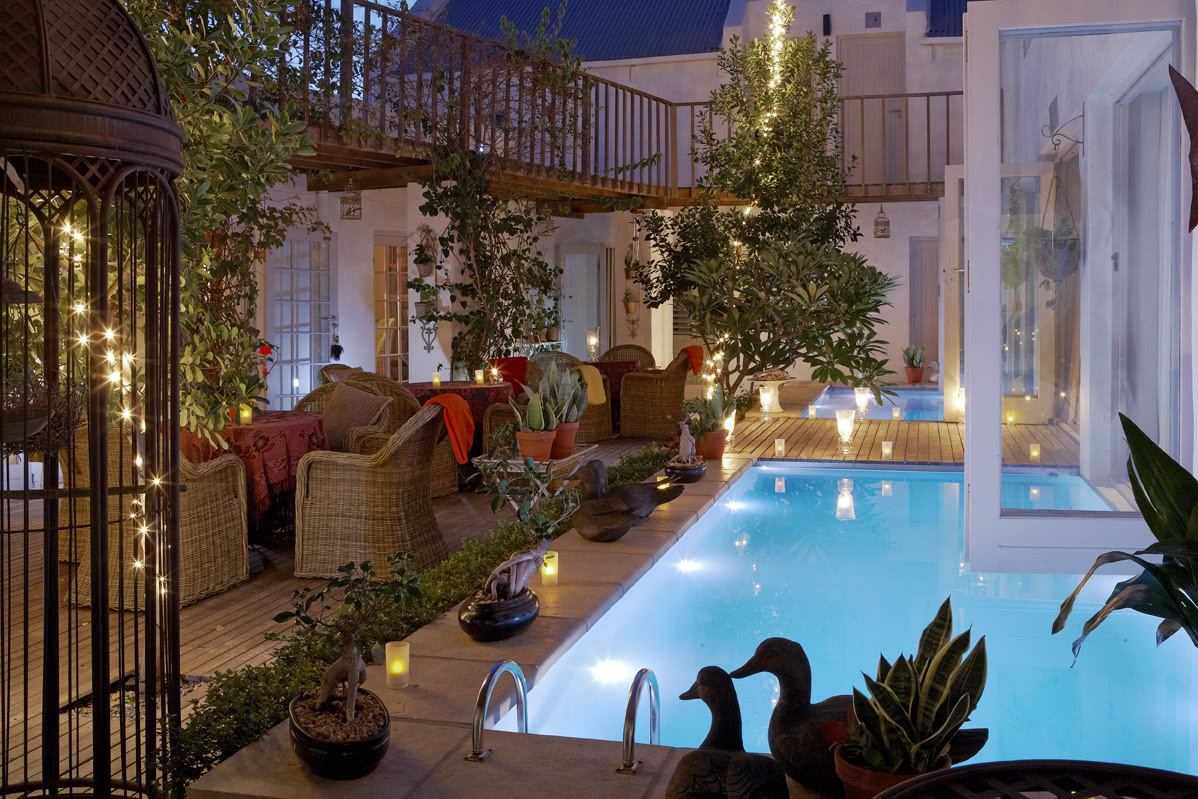
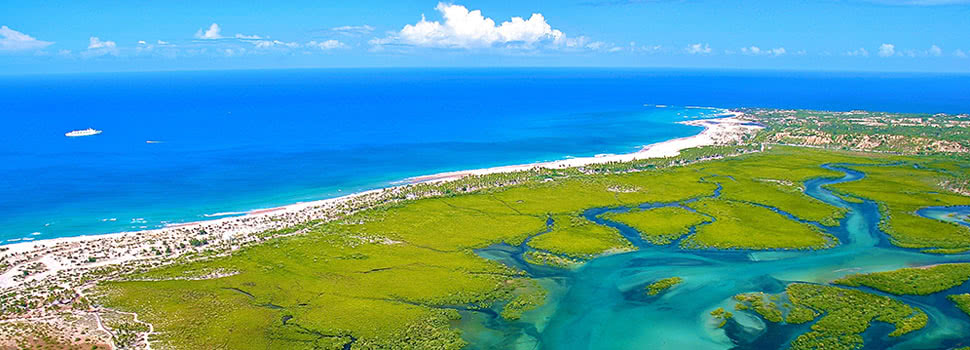
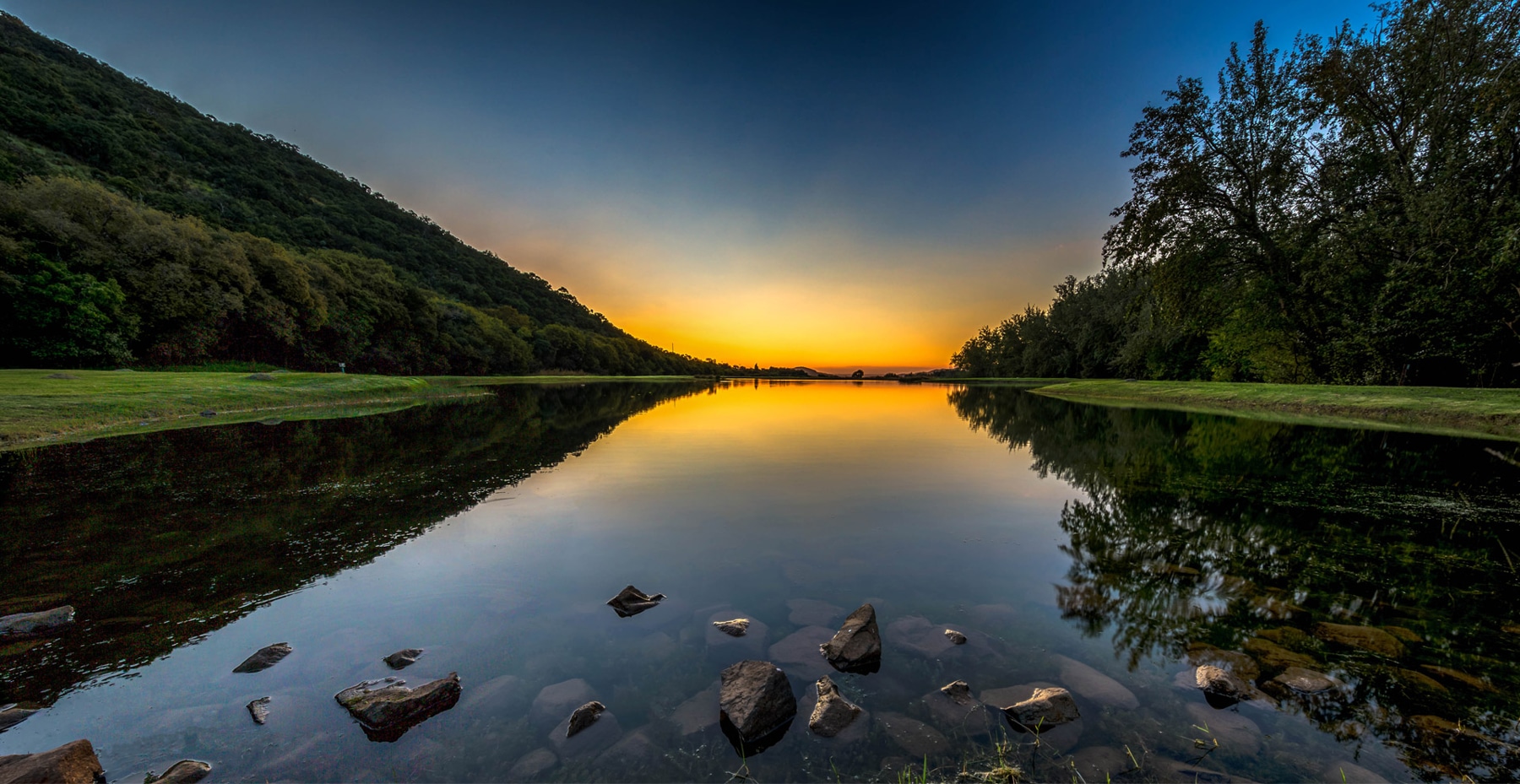
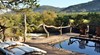
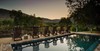
The farm is located on the banks of the Sabie River near Hazyview, a premier tourism destination in Mpumalanga. The property offers exceptional natural beauty, privacy and tranquility, combined with luxury accommodation, an award-winning spa, gourmet dining and productive farming operations. The extent of the land is 42,8 hectares.
Accommodation
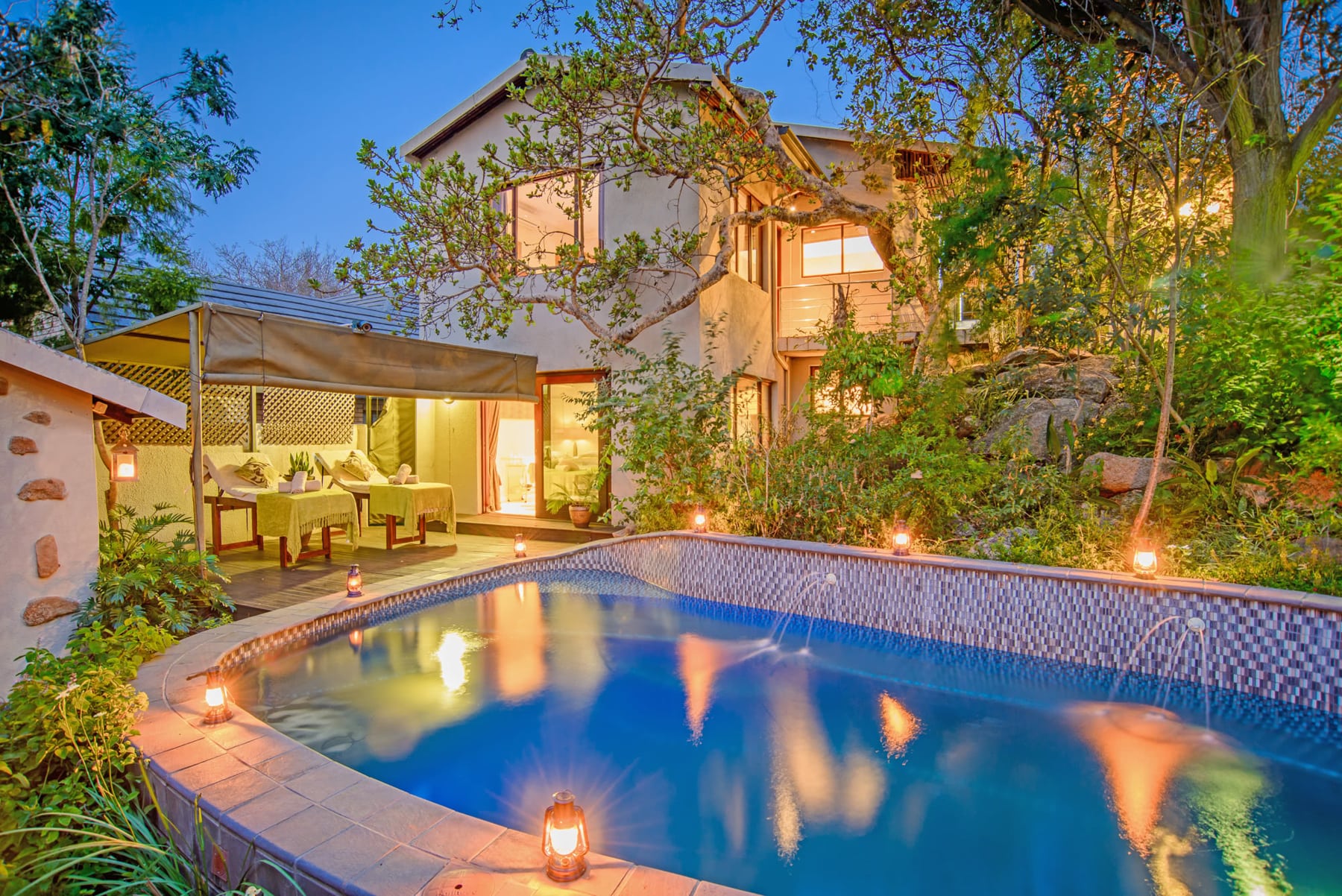
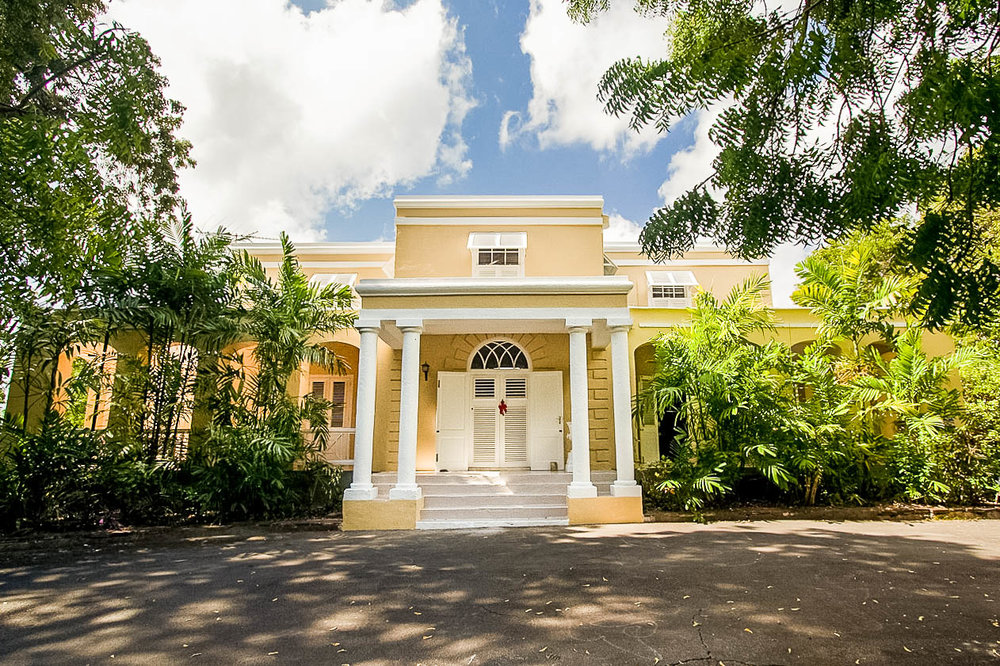
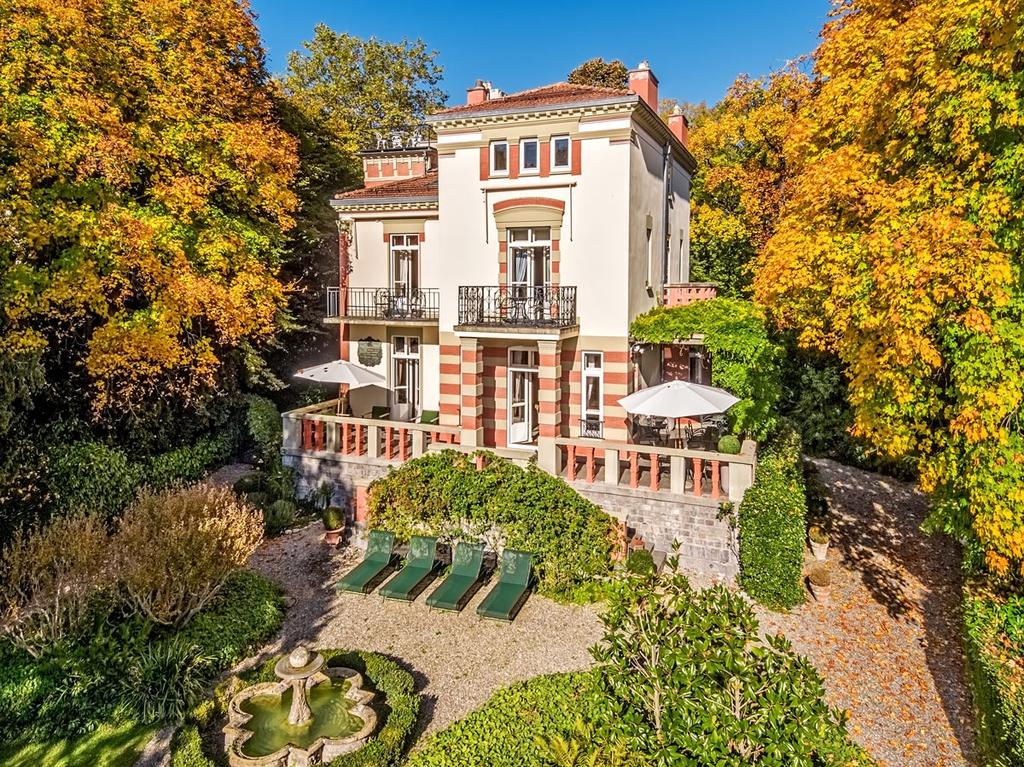
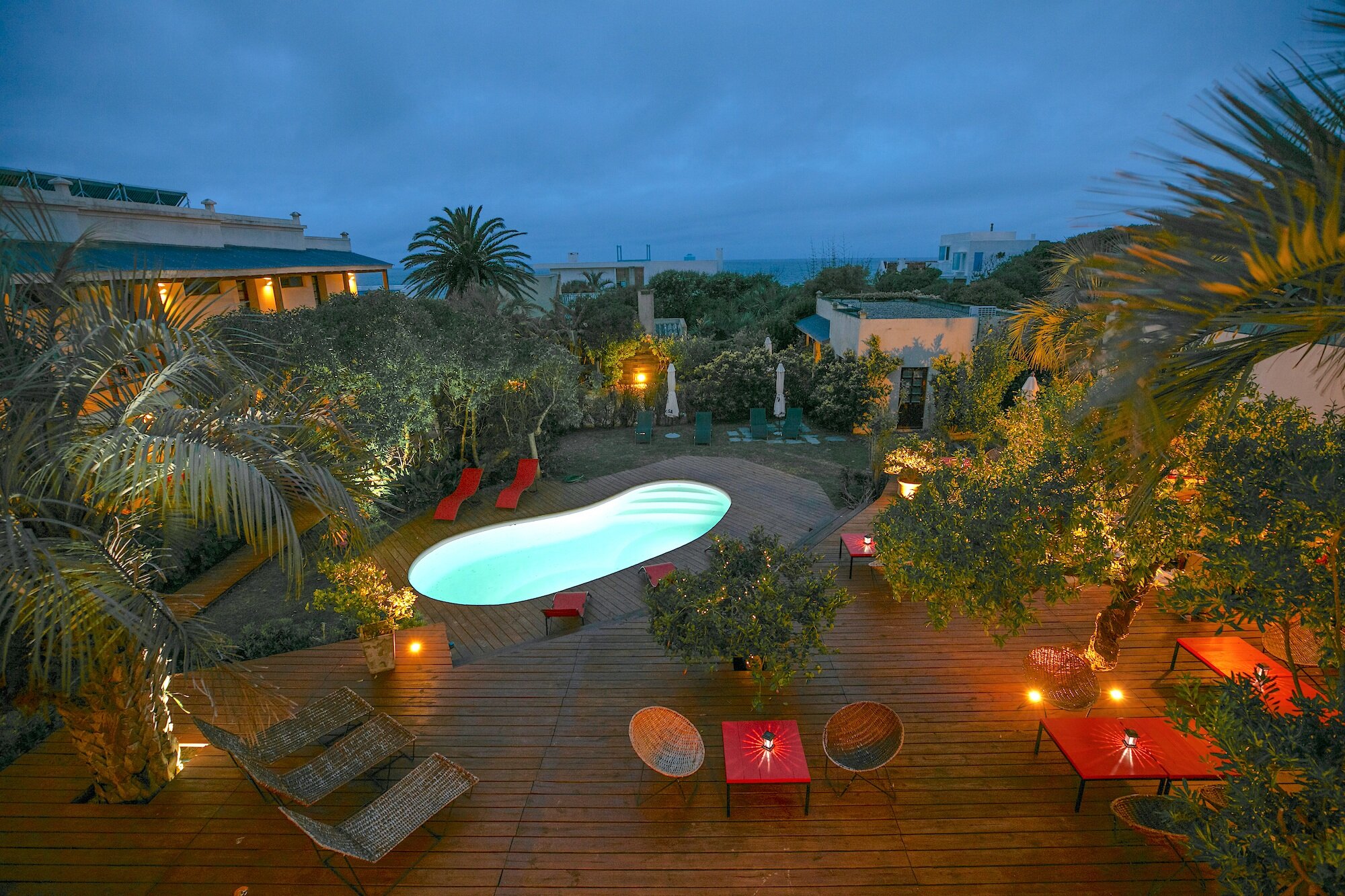
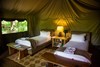
The property features 11 secluded tented suites, a new luxury suited tent and a forest suite, providing a unique experience. The Villa and Stonehouse are two self-catering houses that can accommodate 10 and 6 guests respectively.
Spa and dining
The Spa offers signature treatments, while the River Café provides gourmet dining using fresh produce from the farm’s organic gardens.
Farm operations
The farm is self-sufficient, producing macadamia nuts, litchis, granadillas and roses with a focus on organic growing practices. Permanent crops comprise 20 hectares and farmstead and waste 23 hectares.
FARM AND BUSINESS VALUES
Farming
The farming component includes approximately 12 hectares of macadamia orchards, approximately 8 hectares of litchi orchards, rose production and vegetable gardens, together with irrigation infrastructure, water rights, farm roads, sheds and farm fixed assets.
Indicative value: R 16,0 million.
Hospitality Business
The hospitality business comprises luxury tent accommodation (13 units), spa facilities, River Café, supporting operational infrastructure and furniture and equipment.
Indicative value: R 18,0 million.
Self-Catering Houses
Villa and Stonehouse used as self-catering rental accommodation
Indicative value: R 5,2 million.
Farmstall and café
Indicative value: R 3,8 million.
Total indicative value: R 43,0 million
FINANCIAL AND OPERATIONAL NOTES
Estimated EBITDA of approximately R5 million per annum based on approximately 50% lodge occupancy.
The River Café building is subject to a rental agreement. The macadamia nuts and litchi farming activities are currently outsourced.
INDICATIVE VALUES OF BUILDINGS
Villa: R 10,8m
Stonehouse: R 6,0m
Farmstall: R 8,0m
Other structures: R 6,8m
Hospitality accommodation and spa infrastructure: R12,0m
Total indicative value: R 43,6m
TOPOGRAPHY, SOIL AND CLIMATE
Topography
The farm slopes generally in a southerly direction with mountainous terrain in the north-western portions. Soil is predominantly humic with areas of rocky soil present. Drainage is good with no signs of erosion.
Climatic conditions
The climate is characterised by summer rainfall with mean annual precipitation of approximately 550 mm to 800 mm. Average daily summer temperatures range between approximately 15°C and 30°C. The farm is in a no-frost area. Although hailstorms can occur, these are the exception.
UTILITIES AND SECURITY
Electricity is supplied by Eskom and supported by generator backup comprising two 100 kVA generators and one 150 kVA generator.
Water is supplied via the Sabie River Irrigation Board, boreholes, water rights covering approximately 38,54 hectares and four dams of approximately 200 m³ each.
Security includes electric game fencing, approximately 10 cameras monitored by High Tech Security and four security guards.
____________________________________________________
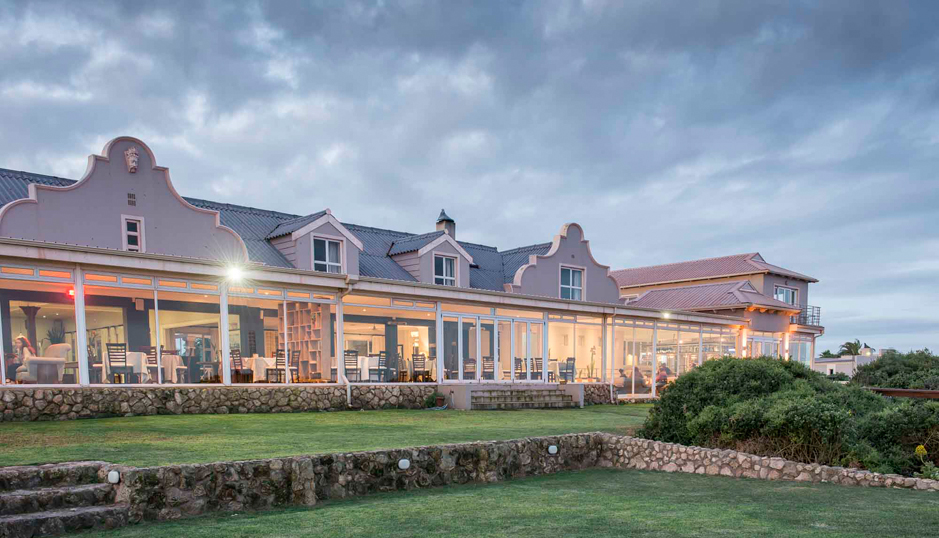
A 5-star Luxury Retreat on the Sabie River – 11 secluded Tented Suites, a new Luxury Suited Tent and a Forest Suite.
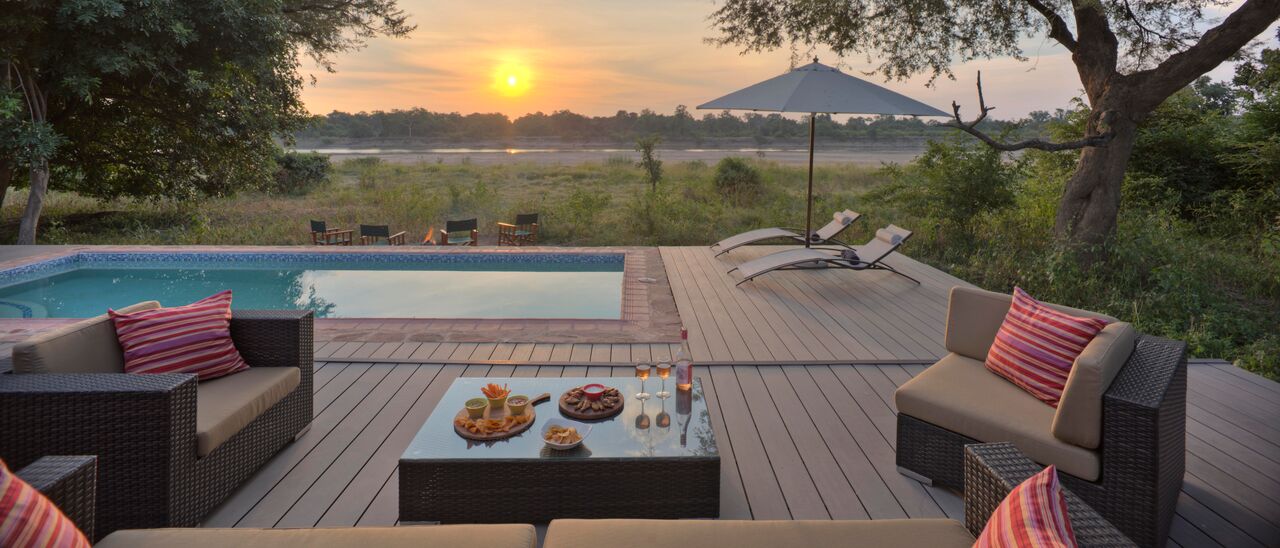
This hotel is, without doubt, the finest accommodation in Hazyview, a really unique experience. Glamorous Glamping, 5-star style.
This hotel is a beautiful macadamia nut farm situated on the bank of the Sabie River, 20km from the Kruger National Park. Summerfields’ luxurious accommodation, unique Spa experiences and fine food and wine at our River Cafe will evoke a sense of relaxation.
Accommodation
At our hotel the emphasis is on comfort, relaxation and romance. We aim to do anything that we can do to make your stay special. Our staff, from the front office and housekeeping staff to the kitchen staff, are formally trained. We give you the privacy that’s so important, while always being available to attend to your needs.
Every effort has been made to ensure that your stay at the hotel is as worry free and restful as it can be. Accommodation, dining, the lux gardens, the spa and boma – everything is designed for your relaxation. Let the stress wash away to the sounds of the birds.
And when you want to venture out, it is a short drive to Hazyview, where there are shops, restaurants and even a nursery and reptile park. And, of course, the Kruger park is also just a short drive away.
Tented Suites
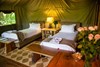
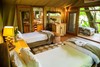
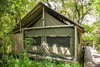
Accommodation at the River Lodge comprises 12 luxury tented suites, surrounded by the music of nature – the sounds of cascading water, amplified by a choir of bird calls and the occasional snort of a hippo.
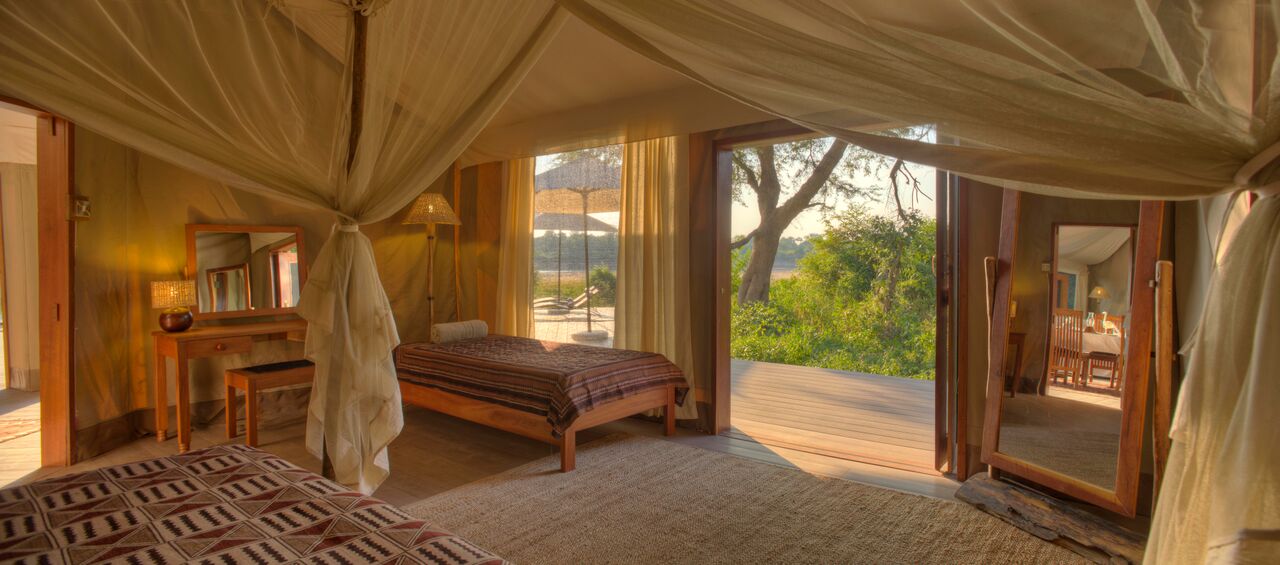
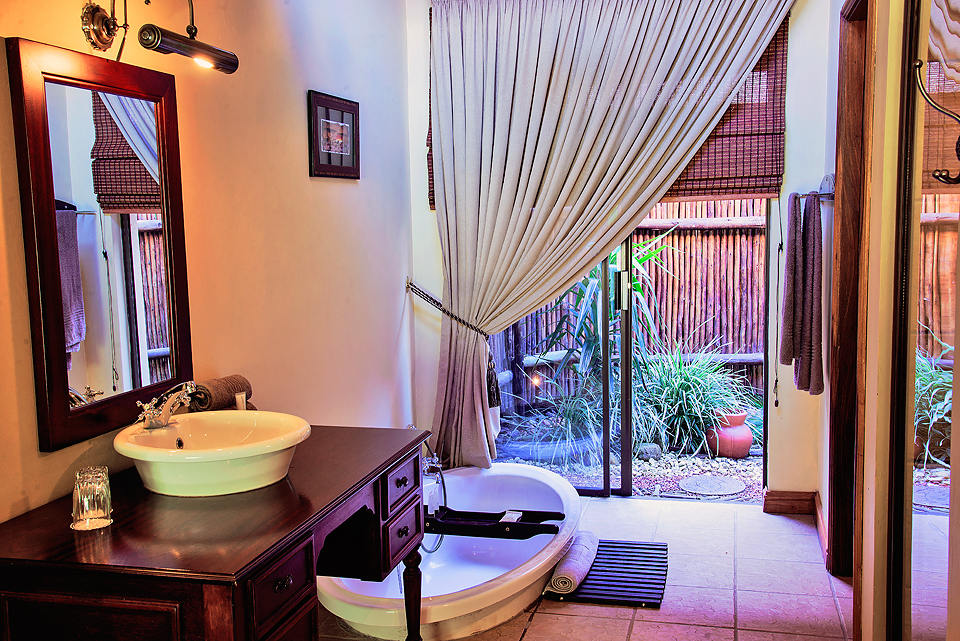
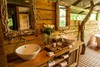
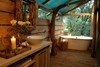
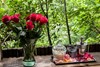
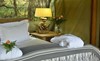
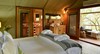
Attention to detail is evident in every rose-variety suite, with specially designed furniture, percale linen and the tantalizing fragrance of fresh cut roses from the farm. All units are air-conditioned with additional roof fans, have double vanities, an outdoor shower and luxury bath, are stocked with quality toiletries and have a private fridge for the comfort of our guests.
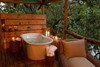
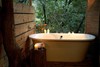
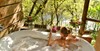
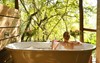
Enjoy a relaxing rose-scented bath with optional sparkling wine and homemade treats
Each suite has air-conditioning, roof fan, large bath sheets, bath gowns, tea and coffee making facilities, fridge, hairdryer, electronic safe, and a range of quality toiletries.
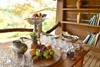
Breakfast is reserved for our fully licensed River Café, where there is also a lounge and library area with views over the Sabie River. We have Wifi available in the rooms, free of charge. Due to the frequent incidence of thunderstorms wifi may be interrupted.
Forest Room
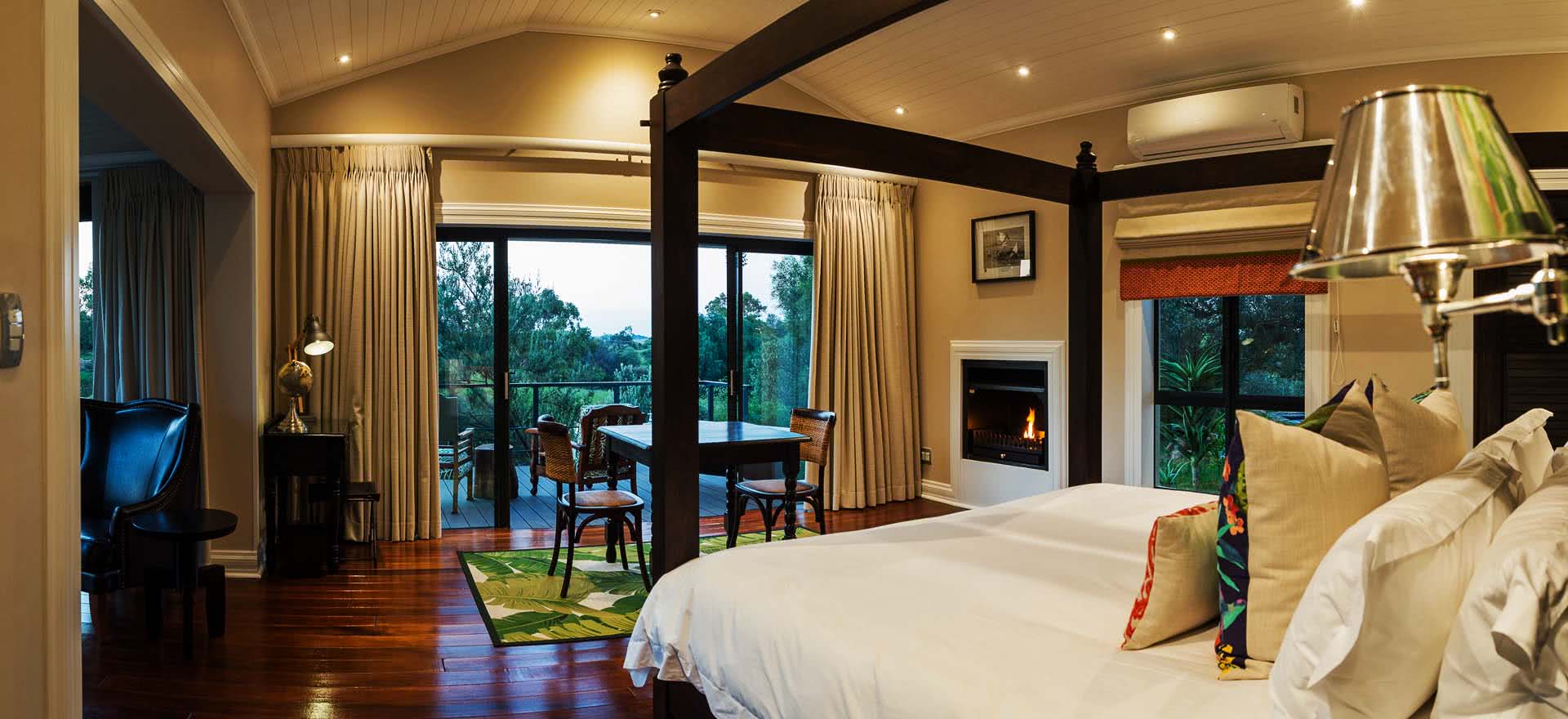
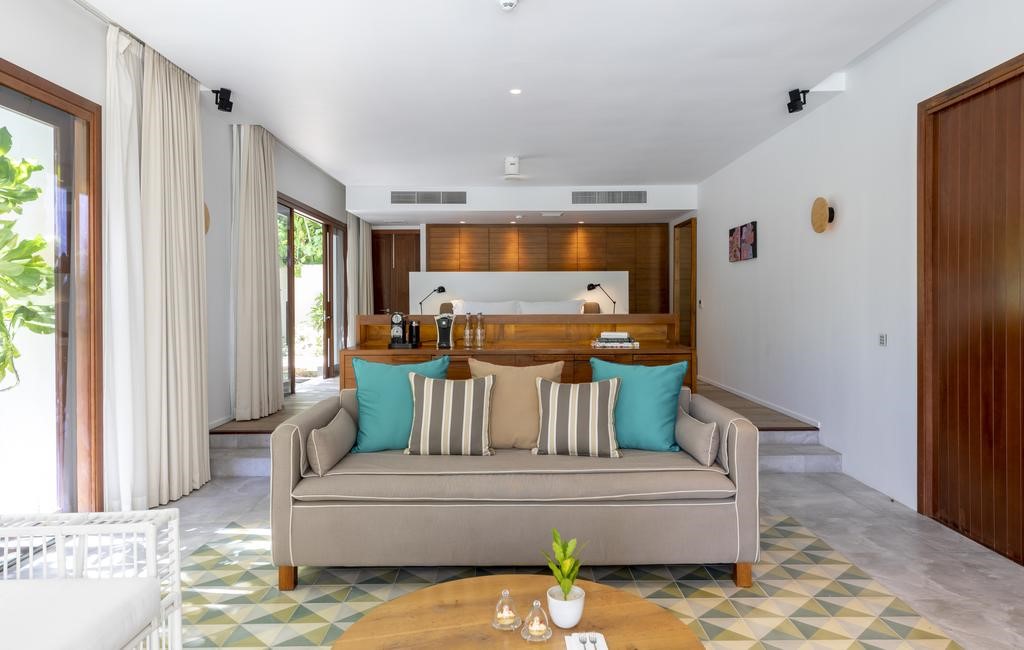
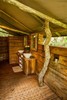
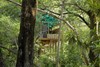
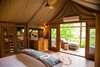
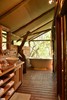
The timber suite is substantially bigger than our existing tented suites and comprises:
This open-plan suite is ideal for honeymooners, writers, artists, travelers seeking inspiration and a getaway from urban life, and the discerning guest seeking a little more comfort than most.
Jackalberry Suite
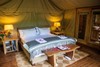
This sumptuous tented suite overlooks the Sabie River and is fully equipped to make your stay the ultimate experience.
The suite comprises
Often referred to as ‘glamping’, Jackalberry Suite lends itself to those seeking that extra special something.
TIMBER HONEYMOON SUITES
Where nature, romance, and refined luxury meet.
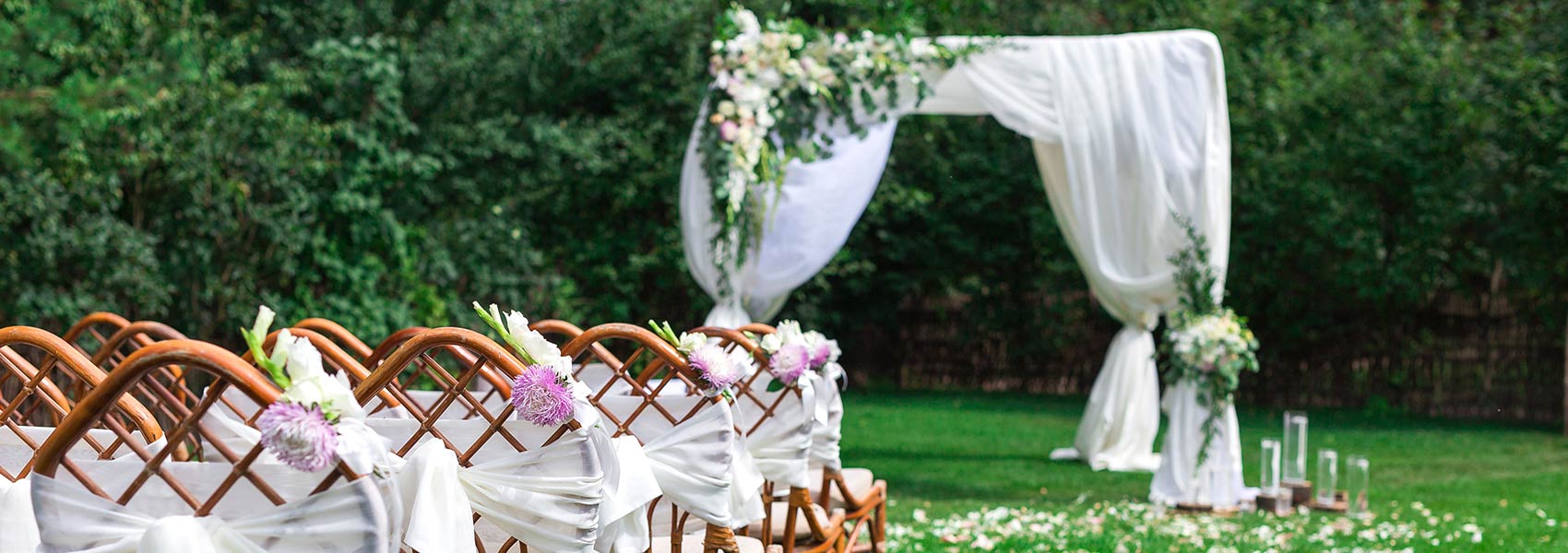
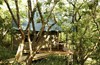
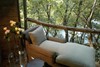
Tucked along the serene banks of the Sabie River, our Honeymoon Suites are a harmonious blend of timber and canvas, designed to offer both elegant comfort and immersive bushveld charm. Raised on wooden platforms and enveloped by indigenous trees, each suite offers absolute privacy for couples seeking a tranquil, romantic escape.
Natural Elegance & Thoughtful Comfort. These newly built suites feature:
Romantic Touches
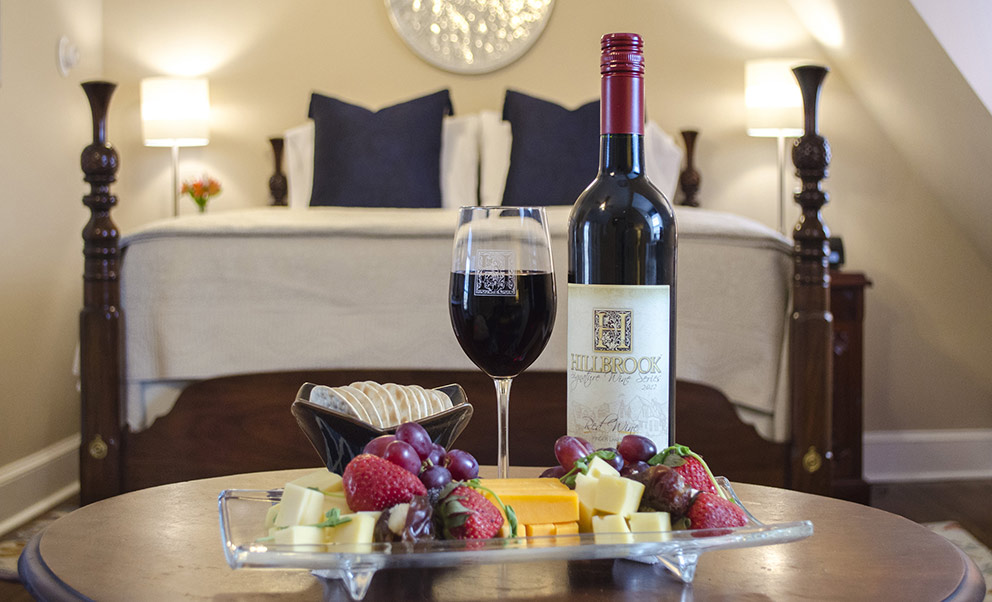
Whether you're soaking in the bath at sunrise, enjoying a warm outdoor shower under the stars, or simply unwinding with a glass of wine on your deck, our Honeymoon Suites are curated for deep rest, reconnection, and romance.
Book your stay in our new Honeymoon Suites — a sanctuary where luxury meets the wild and every moment feels timeless.
Dining at our hotel
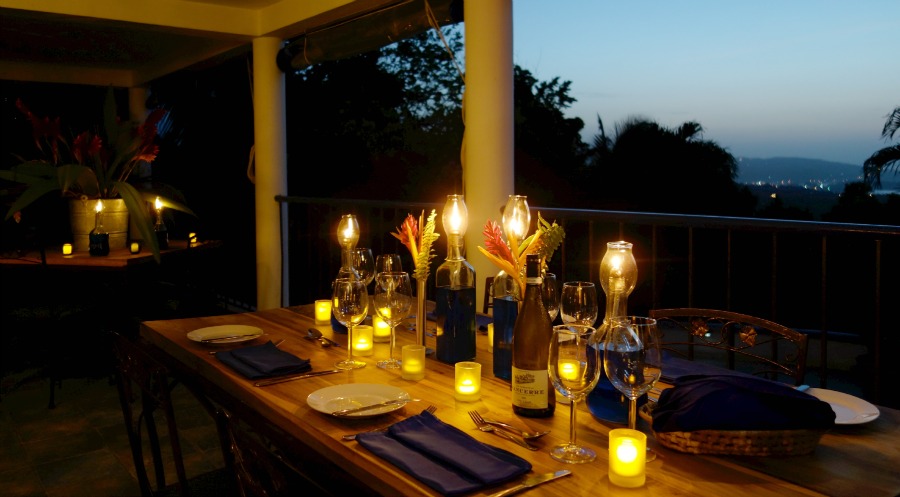
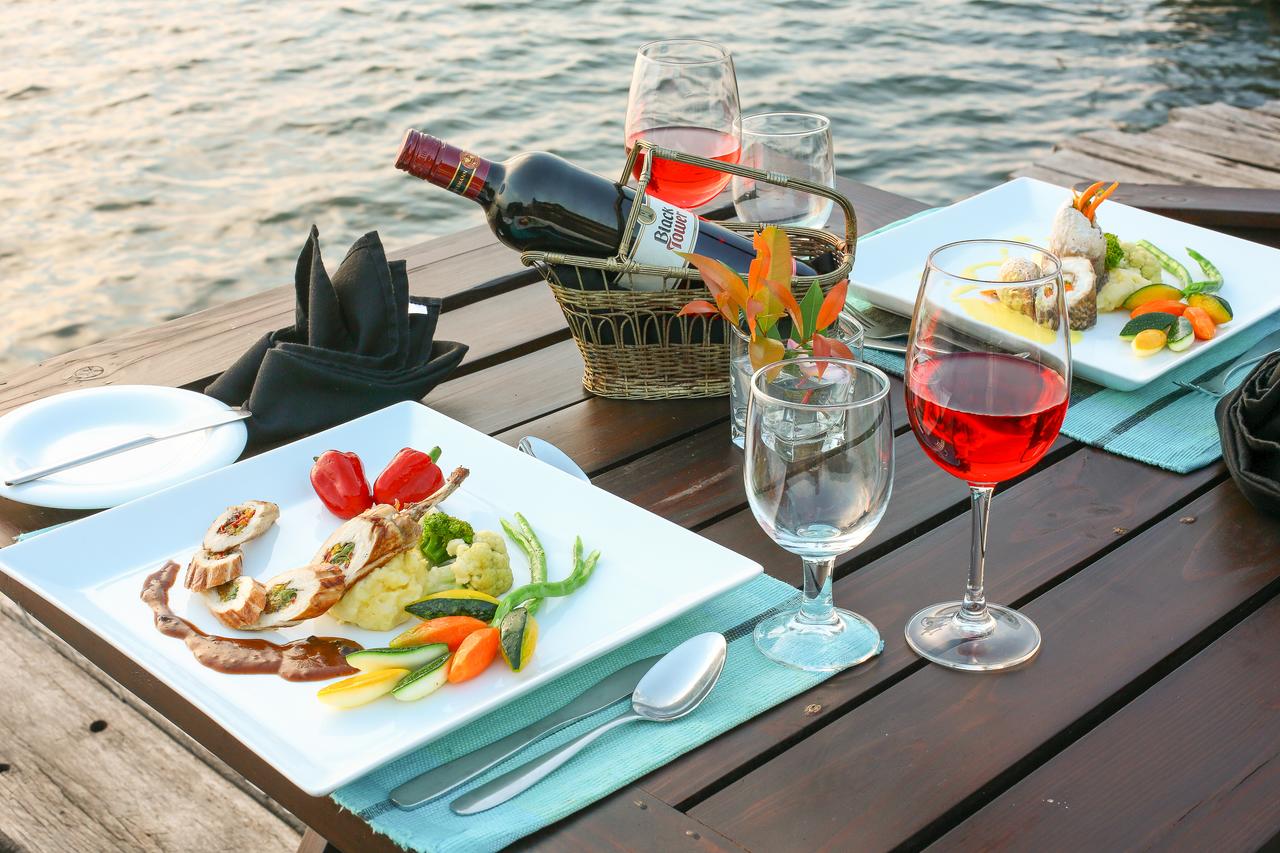
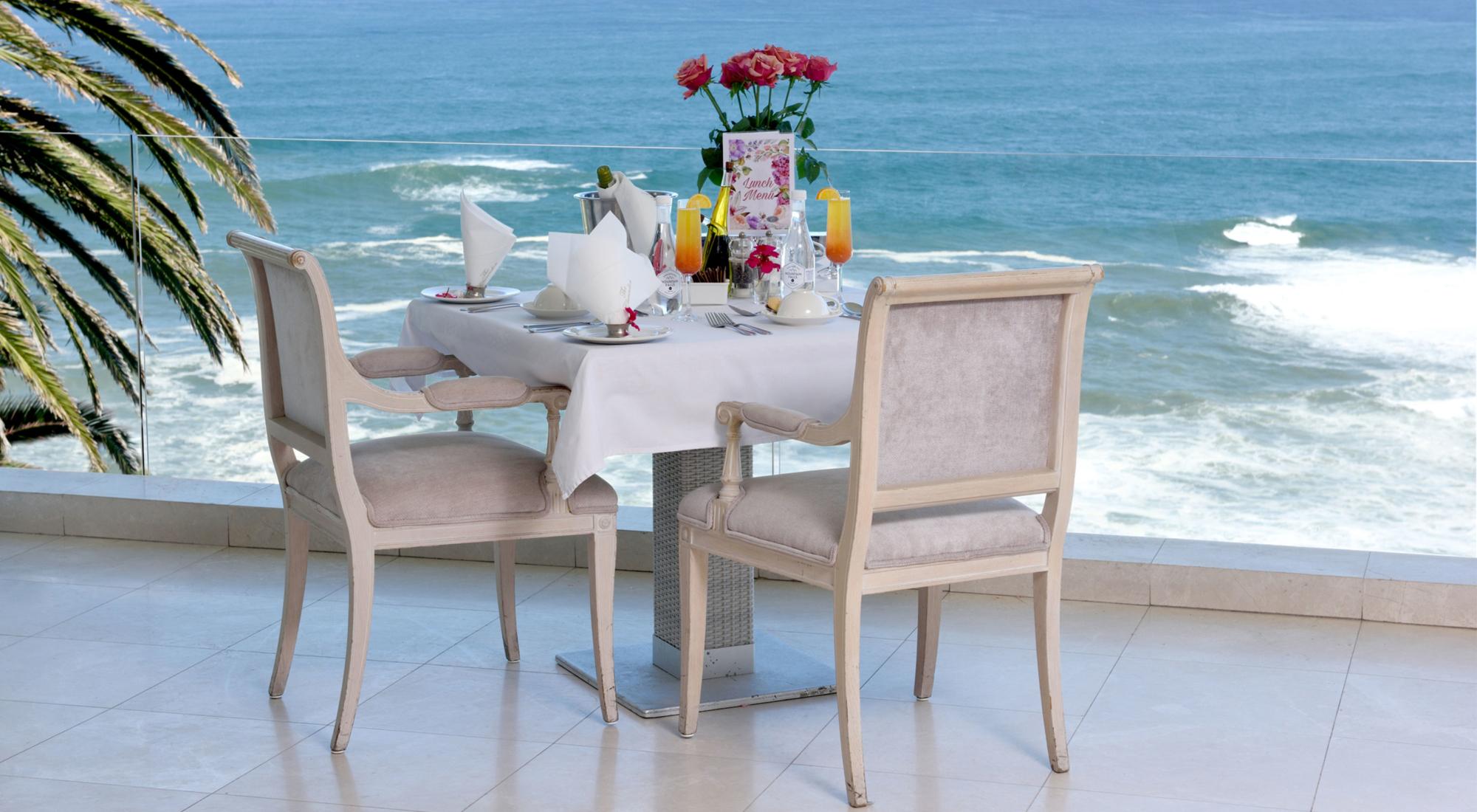
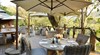
Dining at our hotel is a gastronomic experience. We pride ourselves on our attention to detail, from the carefully prepared menus to the table settings. We carry the romance of Summerfields through to the River Café. All vegetables are taken fresh from our own organic nursery, where everything is grown as close to its natural, original form as possible.
Our River Café is open daily for breakfast, lunch and dinner exclusively to lodge and spa guests by booking only.
River Café
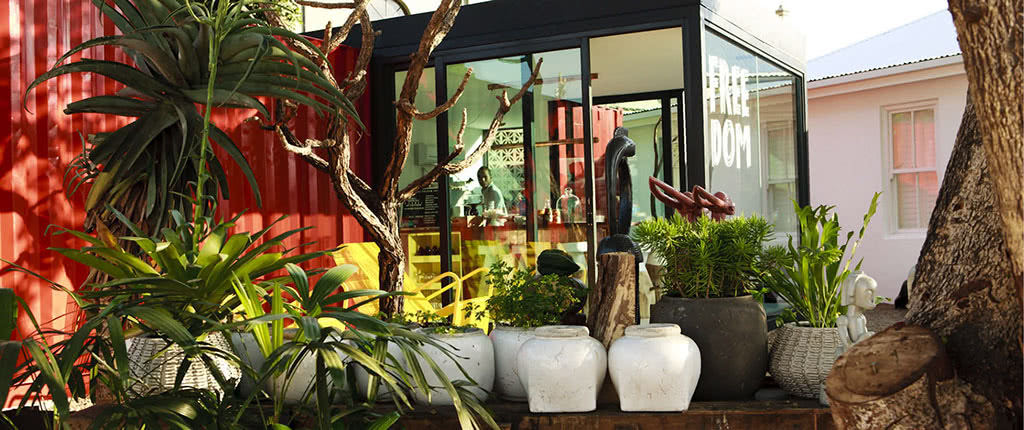
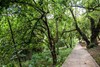
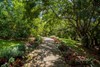
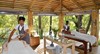
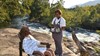
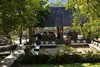
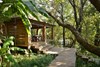
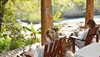
The River Café is a glorious culinary space in idyllic surroundings, reached via a forested walk, across a stone bridge and set on the banks of the Sabie River, where you can often see and hear hippos.
We use only the finest ingredients in our menu, with vegetables from our organic gardens or from trusted suppliers. The River Café is a must-visit location whilst touring the Lowveld.
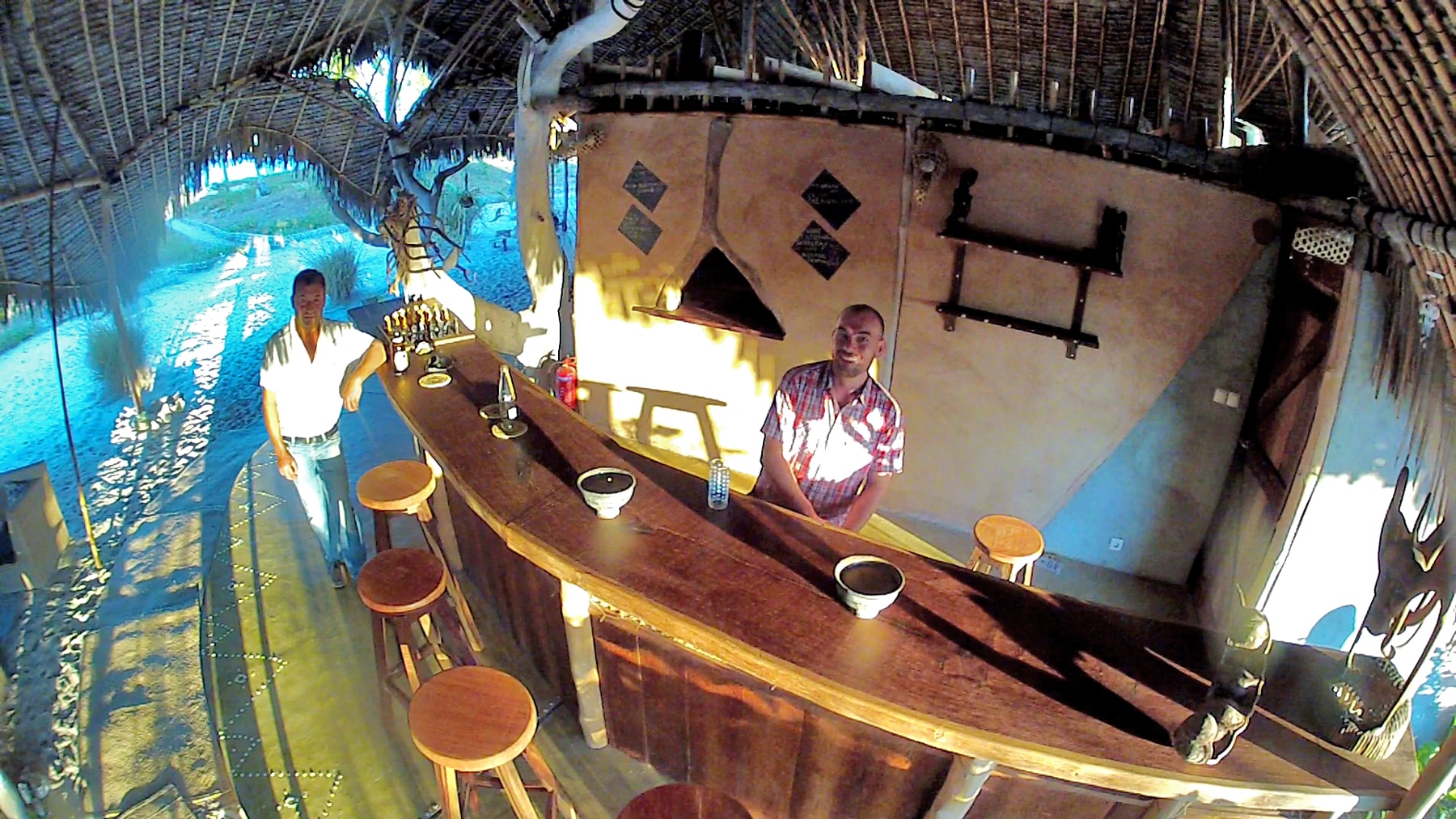
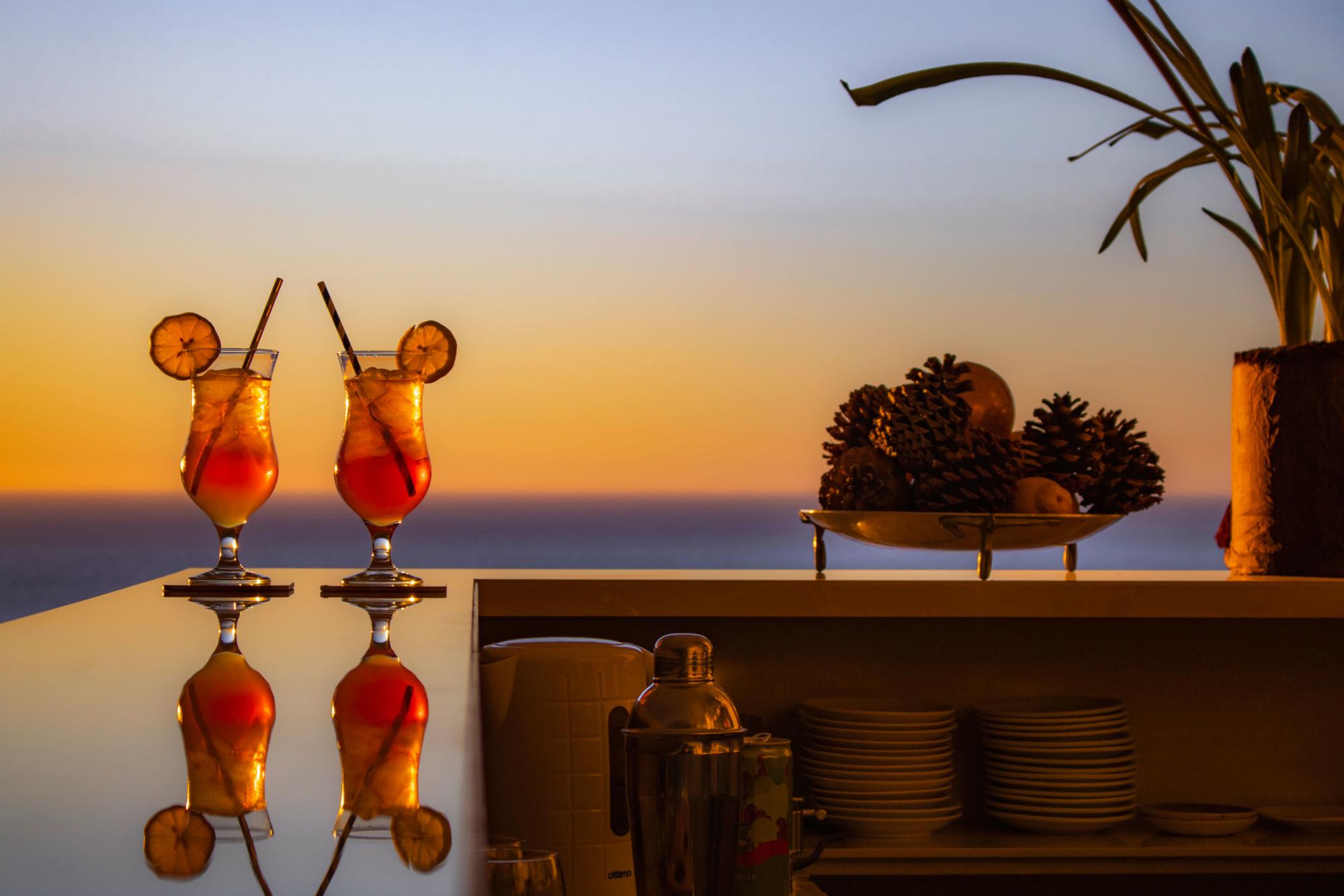
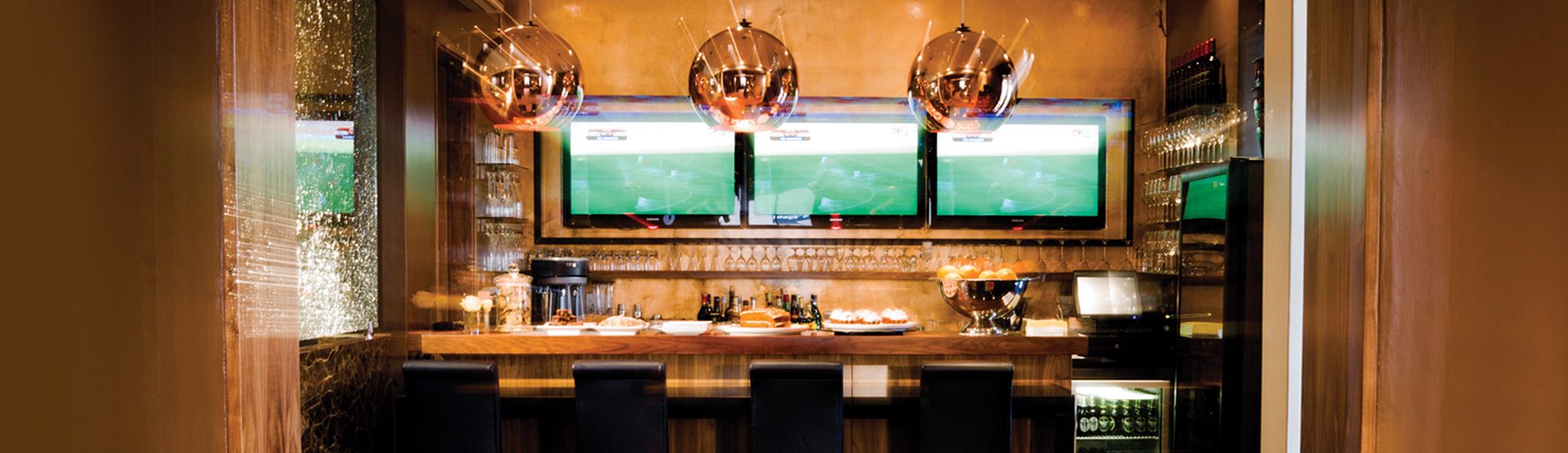
The Lapa Bar serves drinks all day. Guests are welcome to join us for pre-dinner sundowners or relax around the boma after dinner.
Rose Spa
Rose Spa is open daily. Bookings can be made online by following the link above. Please download our e-brochure to view our range of treatments.
The Spa is located by the river, just a short walk from the Tented Suites and River Café.
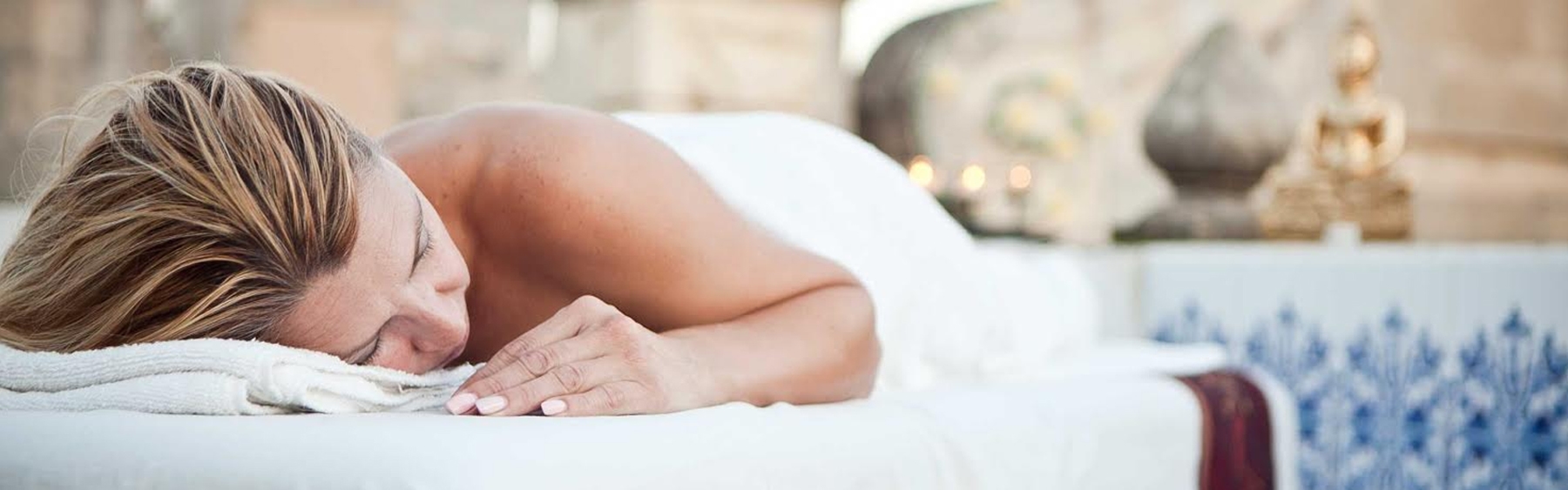
Visit our unique Rose Spa and experience a total escape from your daily life routines. Go above and beyond the normal and take your imagination to a place where nature’s unspoilt beauty and peace allows you to totally relax your body and mind thus refreshing your soul and strengthening your inner being.
Our Spa is surrounded by bush-clad mountains on the banks of the Sabie River which affords glimpses of crocodiles and an abundance of hippos. The birdlife is prolific with over 100 species already identified on the estate. The Lowveld enjoys a sub-tropical climate giving rise to a delightful variety of fruits such as litchis, mango’s, avocado, pawpaw to name a few.
Our guests choose a spa experience because it is pleasurable and fun, it transports them from the grind of everyday life. It elevates focus on physical appearance only to a level where caring about one’s state of mind, emotional well-being and stress reduction become important.
Whichever type you choose to be, we have a treatment that is right for you.
The Padstal at our hotel
We’ve refurbished out Padstal and it's now better than ever. Many of the products at the Padstal come from our farm. We also source carefully chosen products from local farmers so that the Padstal is the place to go for produce, health and beauty products.
We stock:
Macadamia
All our Macadamia products are still here – Macadamia butter, Macadamia Oil, Macadamia Honey, Macadamia Nuts and Chips , and our Vegan Gluten and Dairy Free Mac Milk soft-serve Ice Cream.
Honey
Simply Bee Beeswax and Natural Honey products.
Beauty Products
Rich soaps, spa treats, Charisma candles and Charlotte Rhys and Indulgent Spa products.
Deli
Fresh bread daily, including ciabatta and sourdough, baked at the farm.
Roses
You can buy our famous Summerfields roses at the Padstal (and don’t forget our farm and rose tours).
Drinks
Rest & Relax
Let us serve you a delicious cappuccino with cakes and juices.



Cliff Jacobs (Nat Dpl Hotel Man (UJ). MPRE. GA Level 5 TEFL) Managing Principal / CEO Exquisite Hotel Consultants (Pty) Ltd Mobile: +27 (0) 84 413 1071 / +27 (0) 61 716 6951 Email: cliff@exquisitehotelconsultants.com Web: https://www.exquisitehotelconsultants.com © All rights reserved Terms and Conditions apply Scroll down to view our Hospitality Properties and Businesses for sale or lease or lease-to-buy or partnership arrangement or management agreement arrangement.
