.JPG "Exquisite Properties")
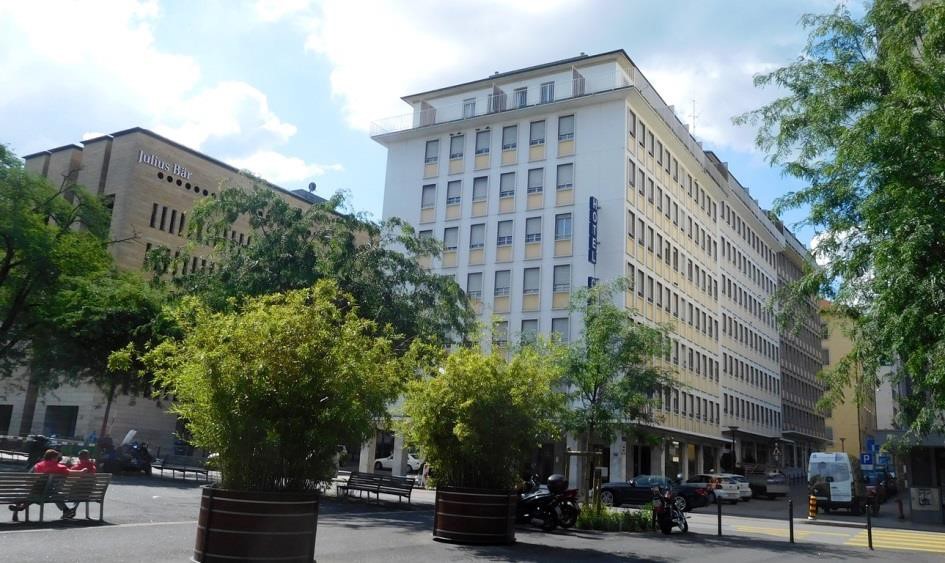
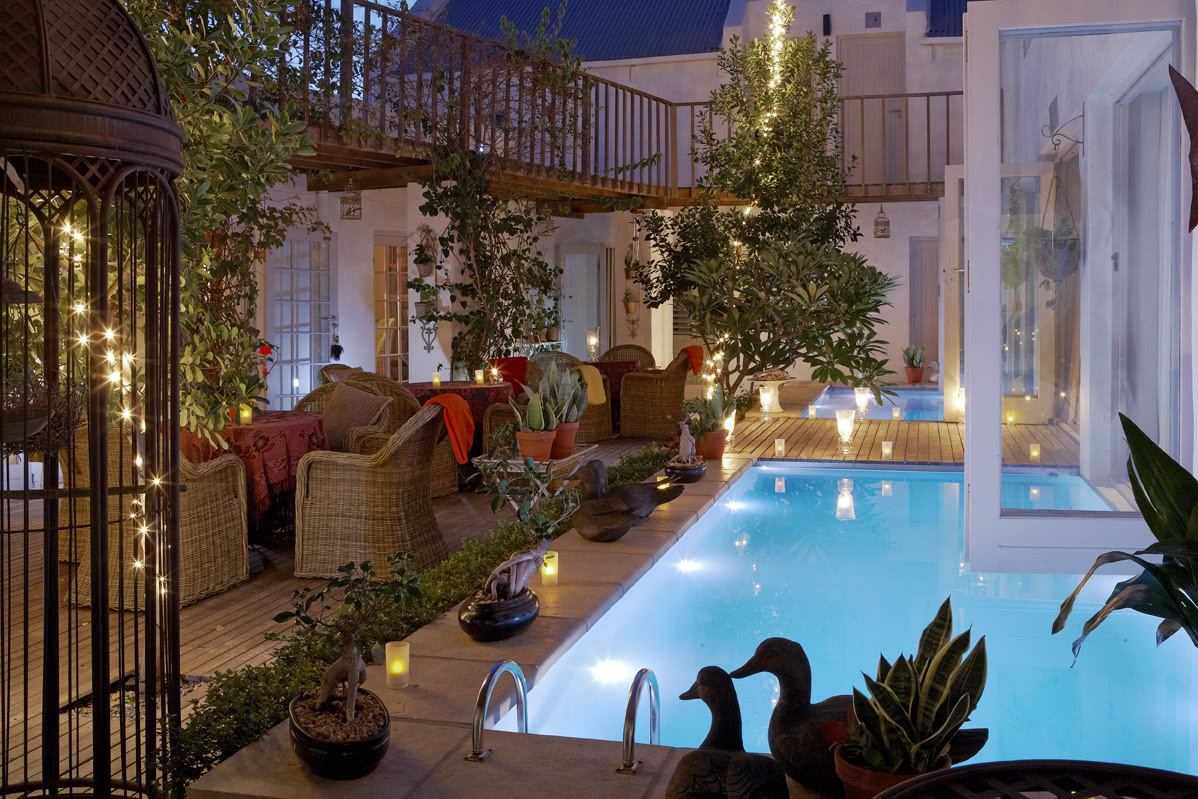
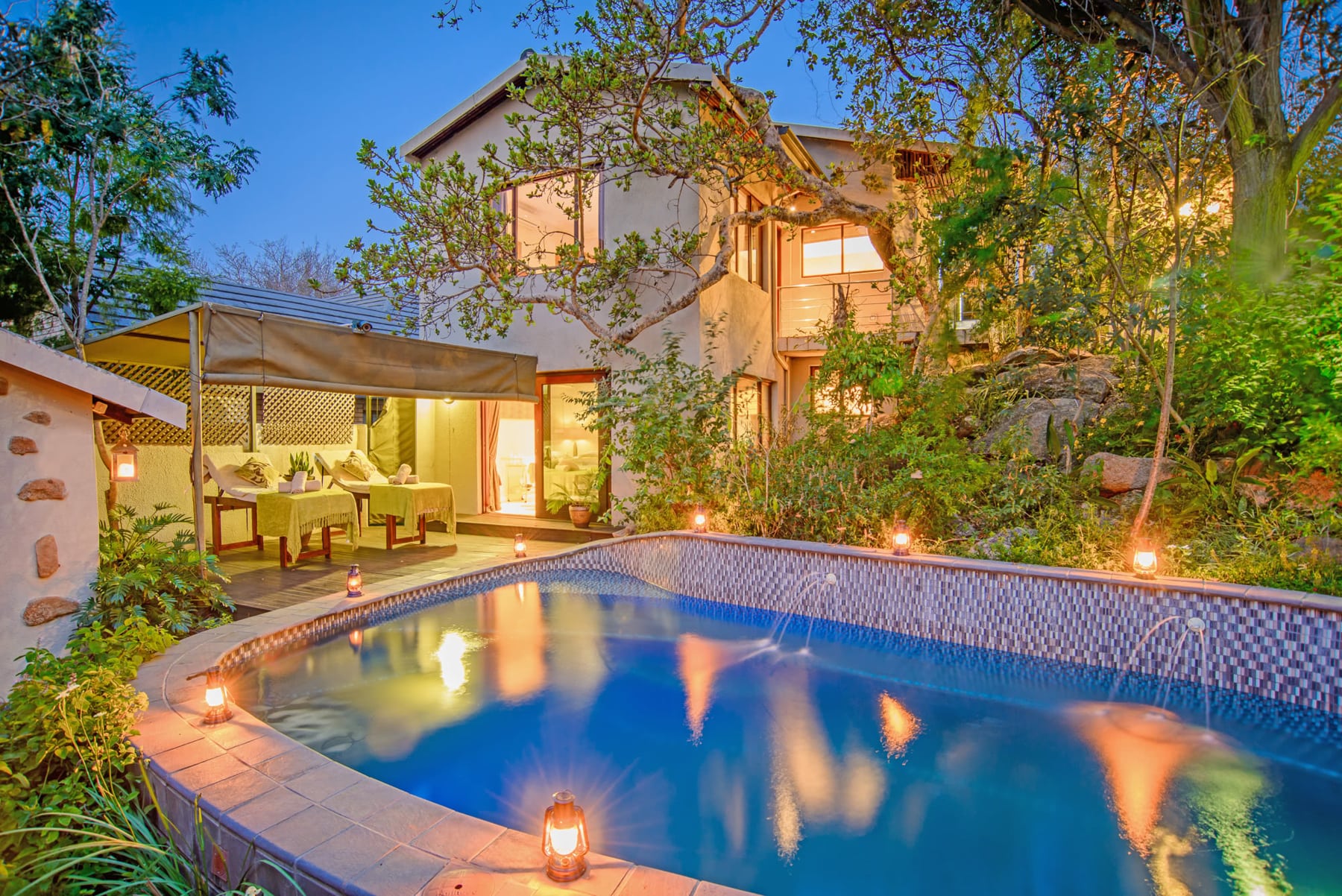




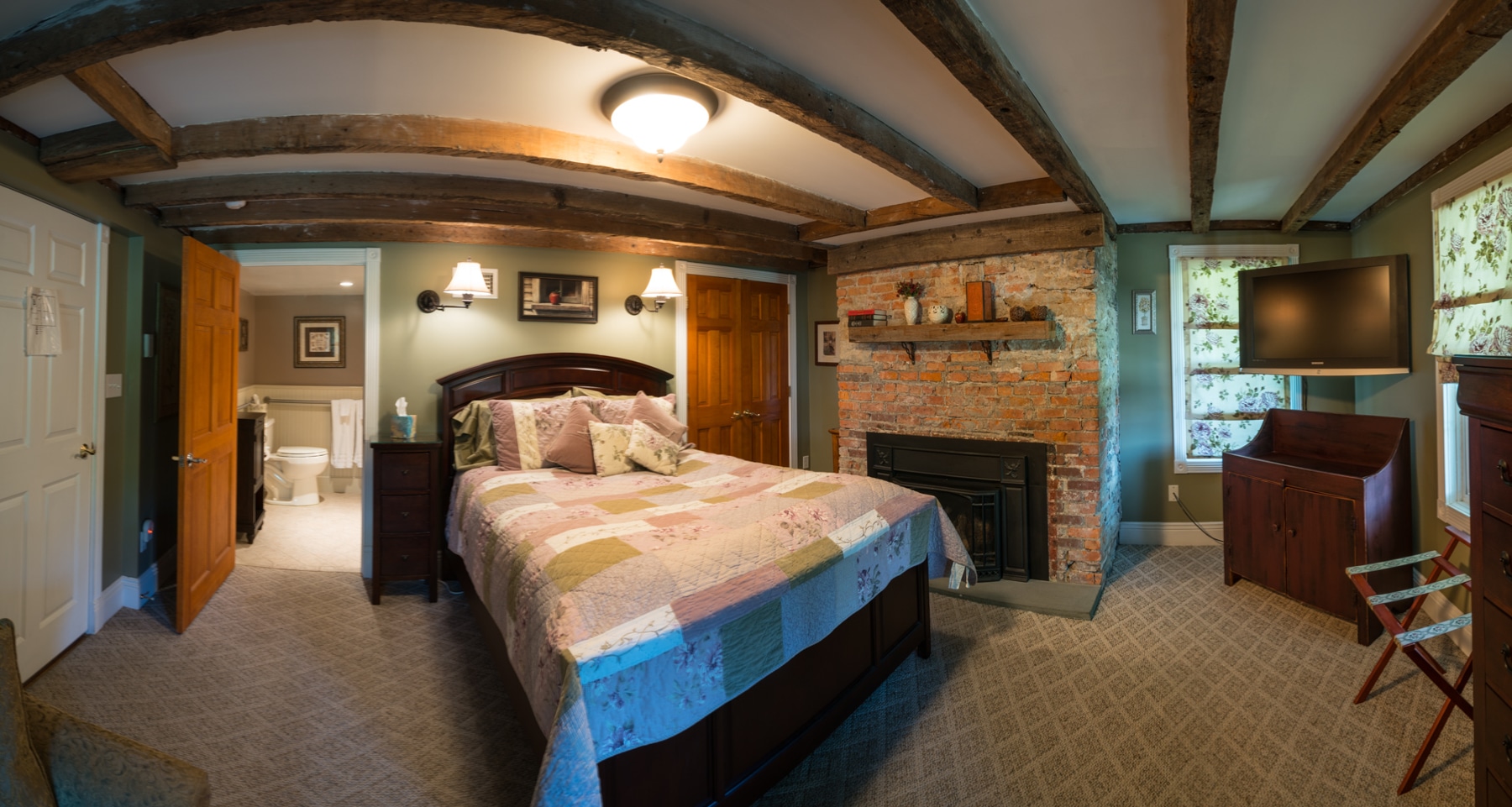
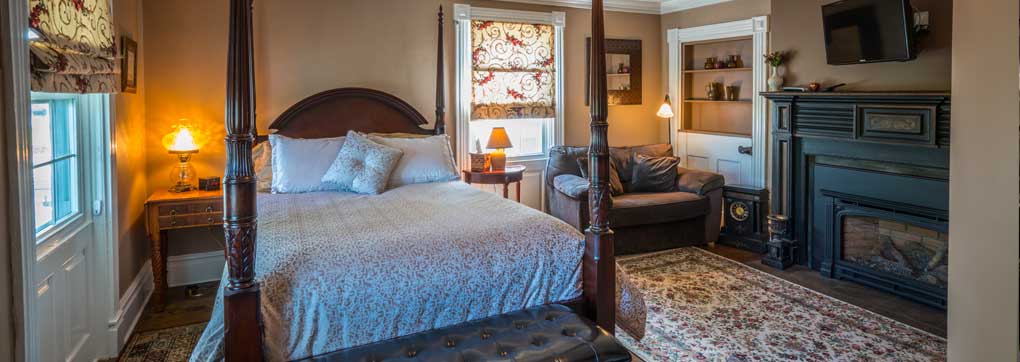
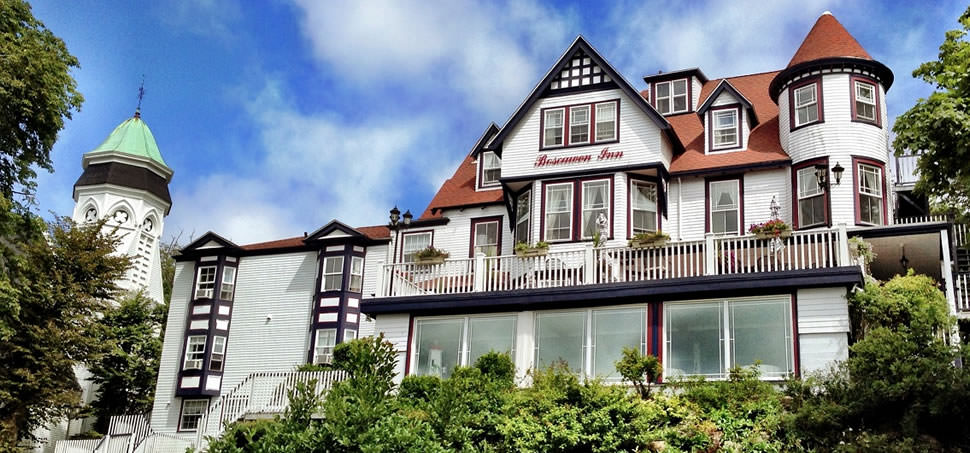
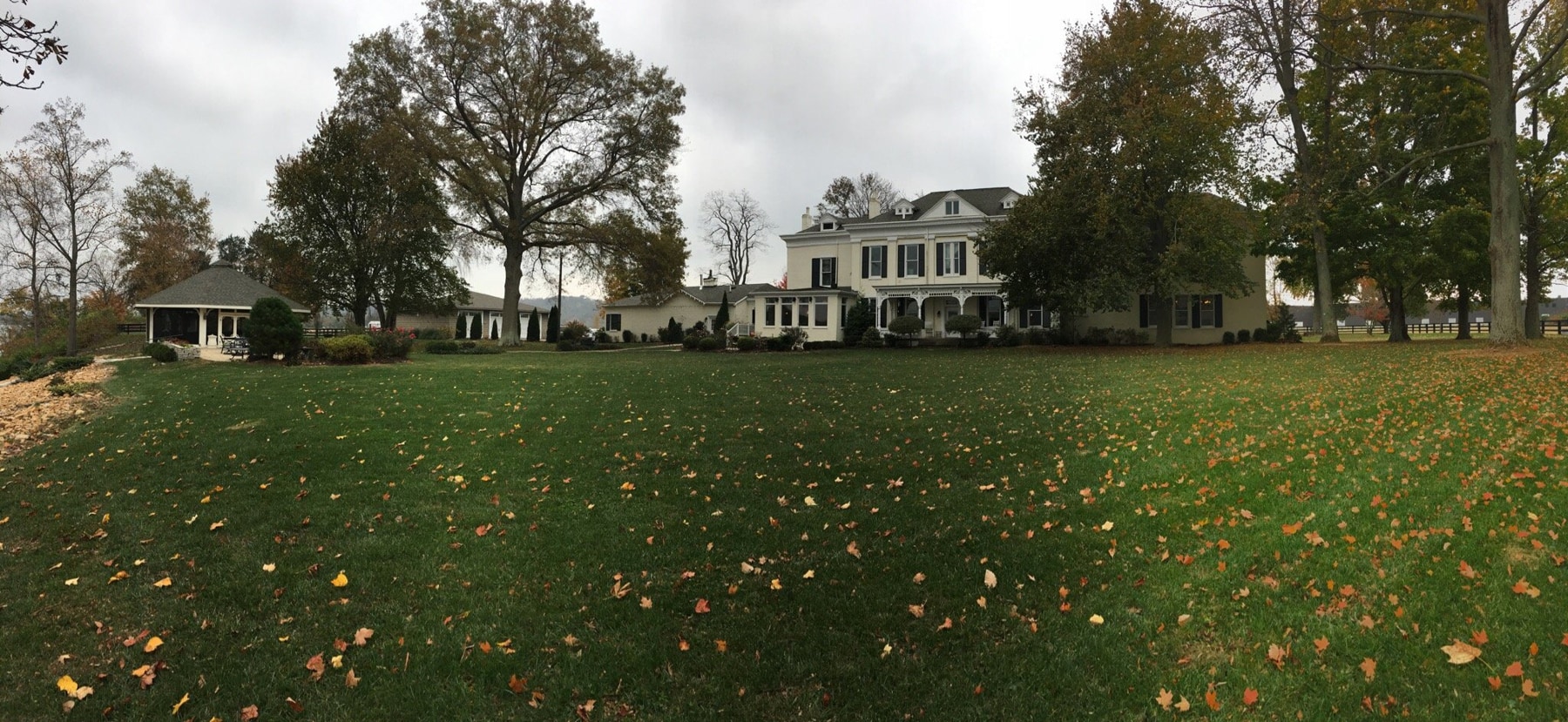



Venice, Italy
Agent: Cliff Jacobs - Managing Principal Property Practitioner & CEO - Exquisite Hotel Consultants (Nat.Dpl.Hotel Man (UJ). M.P.R.E.)
Agent Cellphone: +27 (0) 84 413 1071 / +27 (0) 61 716 6951
Agent Office Number: +27 (0) 84 413 1071
Agent Email Address: cliff@exquisitehotelconsultants.com
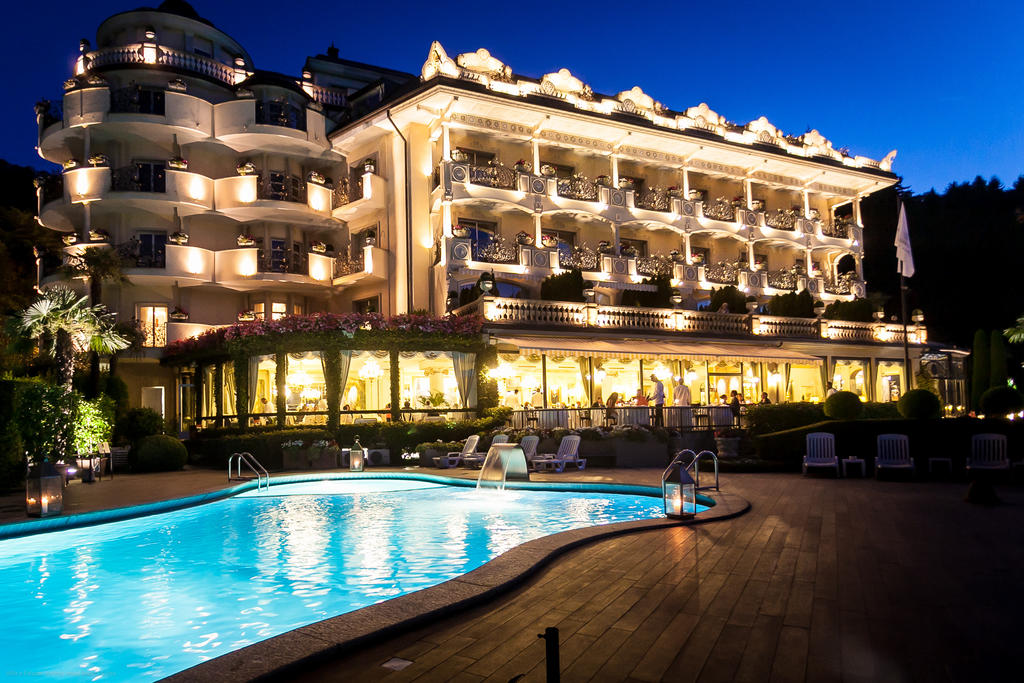
Type: Boutique Hotel
Bedrooms: 56
Bathrooms: 56
Showers: 56
Parking: 0
Yield: Not Disclosed
TGCSA Rating:

Travel tips, great food and a city to discover. We want to give you the best.
Experiences
History to live together
Pierluigi has recently established the “Heritage of Venice” association with the aim of preserving the ancient Venetian popular culture. Together with Monica he organizes thematic research on the past of Venice involving scholars, researchers, Venice enthusiasts who want to help spread […].
Among streets, shops and old proverbs...
Islands
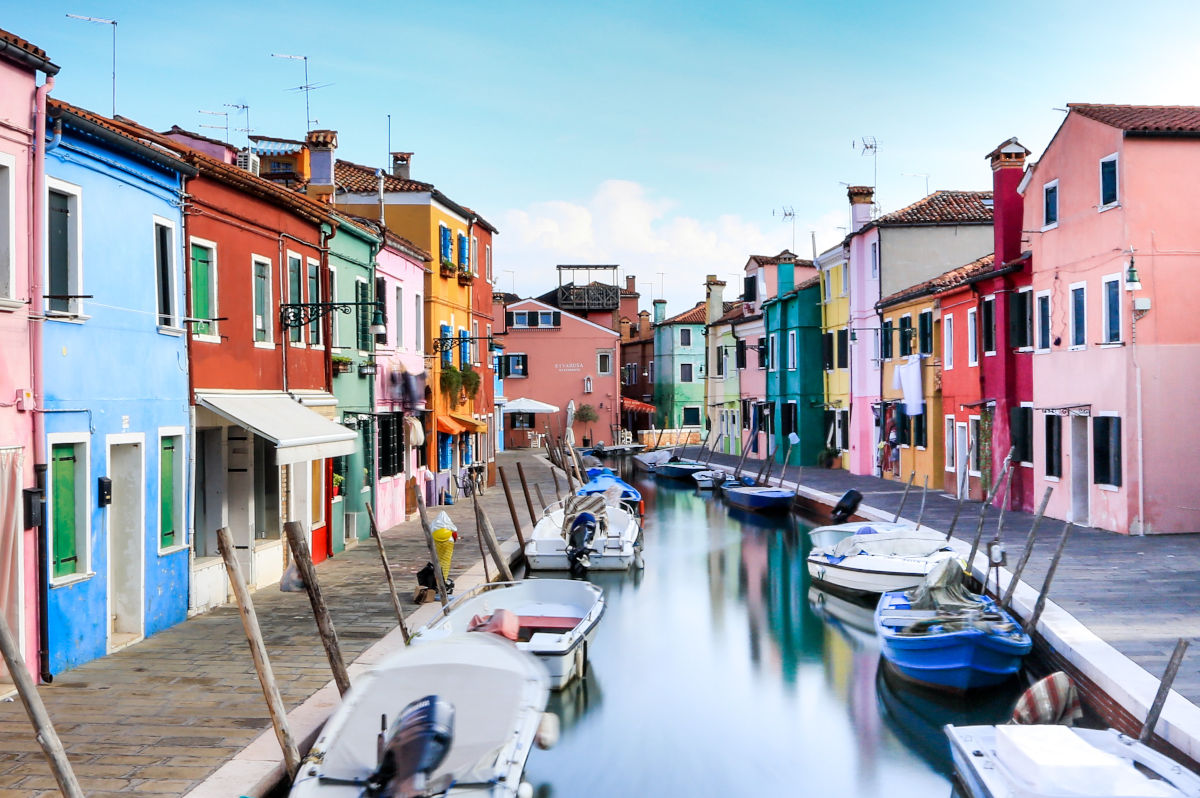
Our guide to Burano island: what to see and do
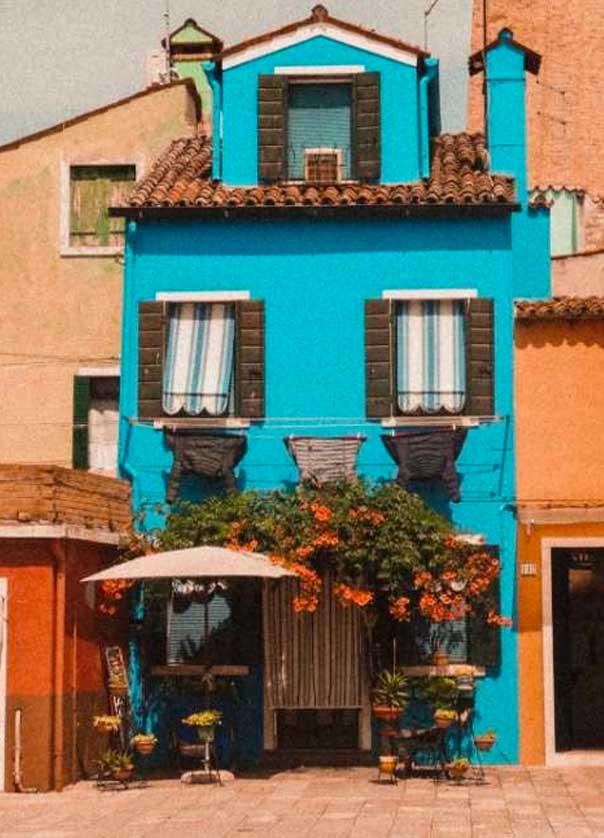
Burano is famous all over the world for its shining colors, in fact, every house on this island is painted with vivid colors and there’s a specific reason for it. Centuries ago, when fishing was the main activity on the island, fishermen needed to be able to come back home from the lagoon even with fog, so they thought to paint their houses with brilliant colors, so they could see them from distance.
Nowadays having a colored house is not a need anymore, but a tradition that the inhabitants don’t want to lose and neither the rest of the world, we guess.
The extensive history of Venice
Venice is a city in northeastern Italy and the capital of the region of Veneto. It is built on a group of 126 islands that are separated by expanses of open water and by canals; portions of the city are linked by 472 bridges.
The islands are in the shallow Venetian Lagoon, an enclosed bay lying between the mouths of the Po and the Piave rivers (more exactly between the Brenta and the Sile). As of 2025, the city proper (comune of Venice) has 249,466 inhabitants, nearly 50,000 of whom live in the historical island city of Venice (centro storico), while most of the population resides on the mainland (terraferma), and about 25,000 live on other islands in the lagoon (estuario).
Together with the cities of Padua and Treviso, Venice is included in the Padua-Treviso-Venice Metropolitan Area (PATREVE), which is considered a statistical metropolitan area, with a total population of 2.6 million.
The name is derived from the ancient Veneti people who inhabited the region by the 10th century BC.[5][6] The city was the capital of the Republic of Venice for almost a millennium, from 810 to 1797. It was a major financial and maritime power during the Middle Ages and Renaissance, and a staging area for the Crusades and the Battle of Lepanto, as well as an important centre of commerce—especially silk, grain, and spice, and of art from the 13th century to the end of the 17th century. The then-city-state is considered to have been the first real international financial centre, emerging in the 9th century and reaching its greatest prominence in the 14th century. This made Venice a wealthy city throughout most of its history.
For centuries, Venice possessed numerous territories along the Adriatic Sea and within the Italian peninsula, leaving a significant impact on the architecture and culture that can still be seen today. The Venetian Arsenal is considered by several historians to be the first factory in history and was the base of Venice's naval power. The sovereignty of Venice came to an end in 1797, at the hands of Napoleon. Subsequently, in 1866, the city became part of the Kingdom of Italy.
Venice has been known as "La Dominante" ("The Dominant" or "The Ruler"), "La Serenissima" ("The Most Serene"), "Queen of the Adriatic", "City of Water", "City of Masks", "City of Bridges", "The Floating City", and "City of Canals." The lagoon and the city within the lagoon were inscribed as a UNESCO World Heritage Site in 1987, covering an area of 70,176.4 hectares (173,410 acres). Venice is known for several important artistic movements – especially during the Italian Renaissance – and has played an important role in the history of instrumental and operatic music; it is the birthplace of Baroque music composers Tomaso Albinoni and Antonio Vivaldi.
In the 21st century, Venice remains a very popular tourist destination and a major cultural centre, and has often been ranked one of the most beautiful cities in the world. It has been described by The Times as one of Europe's most romantic cities and by The New York Times as "undoubtedly the most beautiful city built by man". However, the city faces challenges, including overtourism, pollution, tide peaks, and cruise ships sailing too close to buildings. Because Venice and its lagoon are under constant threat, Venice's UNESCO listing has been under constant examination.
Although no surviving historical records deal directly with the founding or building of Venice, tradition and the available evidence have led several historians to agree that the original population of Venice consisted of refugees – from nearby Roman cities such as Patavium (Padua), Aquileia, Tarvisium (Treviso), Altinum, and Concordia (modern Portogruaro), as well as from the undefended countryside – who were fleeing successive waves of Germanic and Hun invasions. This is further supported by the documentation on the so-called "apostolic families", the twelve founding families of Venice who elected the first doge, who in most cases trace their lineage back to Roman families. Some late Roman sources reveal the existence of fishermen, on the islands in the original marshy lagoons, who were referred to as incolae lacunae ("lagoon dwellers"). The traditional founding is identified with the dedication of the first church, that of San Giacomo on the islet of Rialto (Rivoalto, "High Shore")—said to have taken place at the stroke of noon on 25 March 421 (the Feast of the Annunciation).
Beginning as early as AD 166–168, the Quadi and Marcomanni destroyed the main Roman town in the area, present-day Oderzo. This part of Roman Italy was again overrun in the early 5th century by the Visigoths and, some 50 years later, by the Huns led by Attila. The last and most enduring immigration into the north of the Italian peninsula, that of the Lombards in 568, left the Eastern Roman Empire only a small strip of coastline in the current Veneto, including Venice. The Roman/Byzantine territory was organized as the Exarchate of Ravenna, administered from that ancient port and overseen by a viceroy (the Exarch) appointed by the Emperor in Constantinople. Ravenna and Venice were connected by just sea routes, and with the Venetians' isolation came increasing autonomy. New ports were built, including those at Malamocco and Torcello in the Venetian lagoon. The tribuni maiores formed the earliest central standing governing committee of the islands in the lagoon, dating from c. 568.
The traditional first doge of Venice, Paolo Lucio Anafesto (Anafestus Paulicius), was elected in 697, as written in the oldest chronicle by John, deacon of Venice c. 1008. Some modern historians claim Paolo Lucio Anafesto was actually the Exarch Paul, and Paul's successor, Marcello Tegalliano, was Paul's magister militum (or "general"), literally "master of soldiers." In 726 the soldiers and citizens of the exarchate rose in a rebellion over the iconoclastic controversy, at the urging of Pope Gregory II. The exarch, held responsible for the acts of his master, Byzantine Emperor Leo III, was murdered, and many officials were put to flight in the chaos. At about this time, the people of the lagoon elected their own independent leader for the first time, although the relationship of this to the uprisings is not clear. Ursus was the first of 117 "doges" (doge is the Venetian dialectal equivalent of the Latin dux ("leader"); the corresponding word in English is duke, in standard Italian duca (see also "duce".) Whatever his original views, Ursus supported Emperor Leo III's successful military expedition to recover Ravenna, sending both men and ships. In recognition of this, Venice was "granted numerous privileges and concessions" and Ursus, who had personally taken the field, was confirmed by Leo as dux and given the added title of hypatus (from the Greek for "consul").
In 751, the Lombard King Aistulf conquered most of the Exarchate of Ravenna, leaving Venice a lonely and increasingly autonomous Byzantine outpost. During this period, the seat of the local Byzantine governor (the "duke/dux", later "doge"), was at Malamocco. Settlement on the islands in the lagoon probably increased with the Lombard conquest of other Byzantine territories, as refugees sought asylum in the area. In 775/6, the episcopal seat of Olivolo (San Pietro di Castello) was created. During the reign of duke Agnello Particiaco (811–827) the ducal seat moved from Malamocco to the more protected Rialto, within present-day Venice. The monastery of St Zachary and the first ducal palace and Basilica of St. Mark, as well as a walled defense (civitatis murus) between Olivolo and Rialto, were subsequently built here.
Charlemagne sought to subdue the city to his rule. He ordered the pope to expel the Venetians from the Pentapolis along the Adriatic coast; Charlemagne's own son Pepin of Italy, king of the Lombards, under the authority of his father, embarked upon a siege of Venice itself. This, however, proved a costly failure. The siege lasted six months, with Pepin's army ravaged by the diseases of the local swamps and eventually forced to withdraw in 810. A few months later, Pepin himself died, apparently as a result of a disease contracted there. In the aftermath, an agreement between Charlemagne and the Byzantine Emperor Nicephorus in 814 recognized Venice as Byzantine territory, and granted the city trading rights along the Adriatic coast.
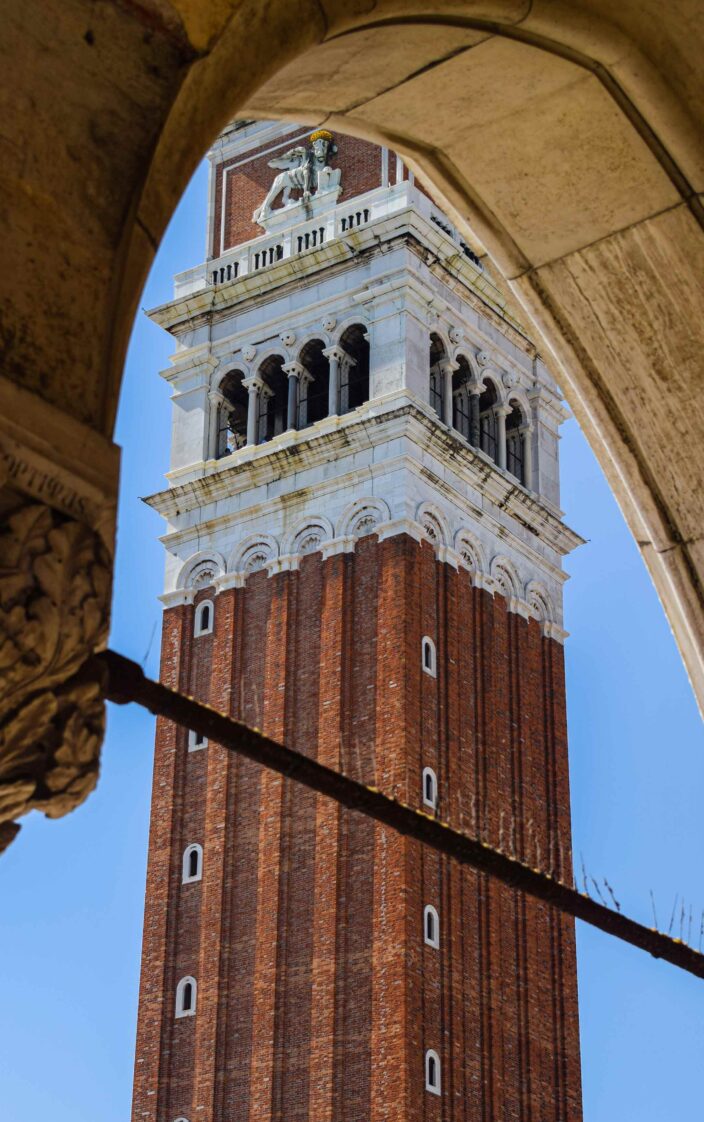
By 828, the new city's prestige had increased with the acquisition of relics claimed to be those of St. Mark the Evangelist from Alexandria; these items were placed in the new basilica. Winged lions – visible throughout Venice – are the emblem of St. Mark. The patriarchal seat was also moved to Rialto. As the community continued to develop, and as Byzantine power waned, its own autonomy grew, leading to eventual independence.
Expansion
From the 9th to the 12th centuries, Venice developed into a powerful maritime empire (an Italian thalassocracy known also as repubblica marinara). In addition to Venice there were seven others: the most important ones were Genoa, Pisa, and Amalfi; and the lesser known were Ragusa, Ancona, Gaeta and Noli. Its own strategic position at the head of the Adriatic made Venetian naval and commercial power almost invulnerable. The Republic's embrace of sound monetary policies, especially its reliable gold ducat, underpinned growing confidence in Venetian trade and finance, further strengthening its position in international commerce. With the elimination of pirates along the Dalmatian coast, the city became a flourishing trade centre between Western Europe and the rest of the world, especially with the Byzantine Empire and Asia, where its navy protected sea routes against piracy.
The Republic of Venice seized a number of places on the eastern shores of the Adriatic before 1200, mostly for commercial reasons, because pirates based there were a menace to trade. The doge already possessed the titles of Duke of Dalmatia and Duke of Istria. Later mainland possessions, which extended across Lake Garda as far west as the Adda River, were known as the Terraferma; they were acquired partly as a buffer against belligerent neighbours, partly to guarantee Alpine trade routes, and partly to ensure the supply of mainland wheat (on which the city depended). In building its maritime commercial empire, Venice dominated the trade in salt, acquired control of most of the islands in the Aegean, including Crete, and Cyprus in the Mediterranean, and became a major power-broker in the Near East. By the standards of the time, Venice's stewardship of its mainland territories was relatively enlightened and the citizens of such towns as Bergamo, Brescia, and Verona rallied to the defence of Venetian sovereignty when it was threatened by invaders.
Venice remained closely associated with Constantinople, being twice granted trading privileges in the Eastern Roman Empire, through the so-called golden bulls, or "chrysobulls", in return for aiding the Eastern Empire in resisting Norman and Turkish incursions. In the first chrysobull, Venice acknowledged its homage to the empire, but not in the second, reflecting the decline of Byzantium and the rise of Venice's power.
Venice became an imperial power following the Fourth Crusade, which, having veered off course, culminated in 1204 by the capture and sacking of Constantinople and the establishment of the Latin Empire. As a result of this conquest, considerable Byzantine plunder was brought back to Venice. This plunder included the gilt bronze horses from the Hippodrome of Constantinople, which were originally placed above the entrance to the cathedral of Venice, St. Mark's Basilica (the originals have been replaced with replicas, and are now stored within the basilica.) After the fall of Constantinople, the former Eastern Roman Empire was partitioned among the Latin crusaders and the Venetians. Venice subsequently carved out a sphere of influence in the Mediterranean known as the Duchy of the Archipelago, and captured Crete.
The seizure of Constantinople proved as decisive a factor in ending the Byzantine Empire as the loss of the Anatolian themes, after Manzikert. Although the Byzantines recovered control of the ravaged city a half-century later, the Byzantine Empire was terminally weakened, and existed only as a ghost of its former self, until Sultan Mehmet The Conqueror took the city in 1453.
Situated on the Adriatic Sea, Venice had always enjoyed a strong trade relationship with the Byzantine Empire and the Middle East. By the late 13th century, Venice was the most prosperous city in all of Europe. At the peak of its power and wealth, it had 36,000 sailors operating 3,300 ships, dominating Mediterranean commerce. Venice's leading families vied with each other to build the grandest palaces and to support the work of the greatest and most talented artists. The city was governed by the Great Council, which was made up of members of the noble families of Venice. The Great Council appointed all public officials, and elected a Senate of 200–300 individuals. Since this group was too large for efficient administration, a Council of Ten (also called the Ducal Council, or the Signoria), controlled much of the city administration. One member of the great council was elected "doge", or duke, to be the chief executive; he would usually hold the title until his death, although several doges were pressured by their oligarchical peers to resign and retire into monastic seclusion, when they were felt to have been discredited by political failure.
The Venetian governmental structure was similar in some ways to the republican system of ancient Rome, with an elected chief executive (the Doge), a senate-like assembly of nobles, and the general citizenry with limited political power who originally had the power to grant or withhold their approval of each newly elected Doge. Church and various private property were tied to military service, although there was no knight tenure within the city itself. The Cavalieri di San Marco was the only order of chivalry ever instituted in Venice, and no citizen could accept or join a foreign order without the government's consent. Venice remained a republic throughout its independent period, and politics and the military were kept separate, except when on occasion the Doge personally headed the military. War was regarded as a continuation of commerce by other means. Therefore, the city's early employment of large numbers of mercenaries for service elsewhere, and later its reliance on foreign mercenaries when the ruling class was preoccupied with commerce.
Although the people of Venice generally remained orthodox Roman Catholics, the state of Venice was notable for its freedom from religious fanaticism, and executed nobody for religious heresy during the Counter-Reformation. This apparent lack of zeal contributed to Venice's frequent conflicts with the papacy. In this context, the writings of the Anglican divine William Bedell are particularly illuminating. Venice was threatened with the interdict on a number of occasions and twice suffered its imposition. The second, most noted, occasion was in 1606, by order of Pope Paul V.
The newly invented German printing press spread rapidly throughout Europe in the 15th century, and Venice was quick to adopt it. By 1482, Venice was the printing capital of the world; the leading printer was Aldus Manutius, who invented paperback books that could be carried in a saddlebag. His Aldine Editions included translations of nearly all the known Greek manuscripts of the era
Decline
Venice's long decline started in the 15th century. Venice confronted the Ottoman Empire in the Siege of Thessalonica (1422–1430) and sent ships to help defend Constantinople against the besieging Turks in 1453. After the Fall of Constantinople, Sultan Mehmed II declared the first of a series of Ottoman-Venetian wars that cost Venice many of its eastern Mediterranean possessions. Vasco da Gama's 1497–1499 voyage, which opened a sea route to India around the Cape of Good Hope, destroyed Venice's monopoly. Venice's oared vessels were at a disadvantage when it came to traversing oceans; therefore, Venice was left behind in the race for colonies.
The Black Death devastated Venice in 1348 and struck again between 1575 and 1577. In three years, the plague killed some 50,000 people. In 1630, the Italian plague of 1629–31 killed a third of Venice's 150,000 citizens.
Venice began to lose its position as a centre of international trade during the later part of the Renaissance as Portugal became Europe's principal intermediary in the trade with the East, striking at the very foundation of Venice's great wealth. France and Spain fought for hegemony over Italy in the Italian Wars, marginalising its political influence. However, Venice remained a major exporter of agricultural products and, until the mid-18th century, a significant manufacturing centre.
Modern age
The Republic of Venice lost its independence when Napoleon Bonaparte conquered Venice on 12 May 1797 during the War of the First Coalition. Napoleon was seen as something of a liberator by the city's Jewish population. He removed the gates of the Ghetto and ended the restrictions on when and where Jews could live and travel within the city.
Venice became Austrian territory when Napoleon signed the Treaty of Campo Formio on 12 October 1797. The Austrians took control of the city on 18 January 1798. Venice was taken from Austria by the Treaty of Pressburg in 1805 and became part of Napoleon's Kingdom of Italy. It was returned to Austria following Napoleon's defeat in 1814, when it became part of the Austrian-held Kingdom of Lombardy–Venetia. In 1848, a revolt briefly re-established the Venetian republic under Daniele Manin, but this was crushed in 1849. In 1866, after the Third Italian War of Independence, Venice, along with the rest of the Veneto, became part of the newly created Kingdom of Italy.
From the middle of the 18th century, Trieste and papal Ancona, both of which became free ports, competed with Venice more and more economically. Habsburg Trieste in particular boomed and increasingly served trade via the Suez Canal, which opened in 1869, between Asia and Central Europe, while Venice very quickly lost its competitive edge and commercial strength.
During World War II, the historic city was largely free from attack, with the only aggressive effort of note being Operation Bowler, a successful Royal Air Force precision strike on the German naval operations in the city in March 1945. The targets were destroyed with virtually no architectural damage inflicted upon the city itself. However, the industrial areas in Mestre and Marghera and the railway lines to Padua, Trieste, and Trento were repeatedly bombed. On 29 April 1945, a force of British and New Zealand troops of the British Eighth Army, under Lieutenant General Freyberg, liberated Venice, which had been a hotbed of anti-Mussolini Italian partisan activity.
Venice was listed as a UNESCO World Heritage Site in 1987, inscribing it as "Venice and its Lagoon".
Geography
Venice is located in northeastern Italy, in the Veneto region. The city is situated on a group of 118 small islands that are separated by canals and linked by 438 bridges. The historic center of Venice is divided into six districts, or sestieri, which are named Cannaregio, Castello, Dorsoduro, San Marco, San Polo, and Santa Croce.
Venice sits atop alluvial silt washed into the sea by the rivers flowing eastward from the Alps across the Veneto plain, with the silt being stretched into long banks, or lidi, by the action of the current flowing around the head of the Adriatic Sea from east to west.
Subsidence
Subsidence, the gradual lowering of the surface of Venice, has contributed – along with other factors – to the seasonal Acqua alta ("high water"), when the city's lowest lying surfaces may be covered at high tide.
Building foundations
Those fleeing barbarian invasions who found refuge on the sandy islands of Torcello, Iesolo, and Malamocco, in this coastal lagoon, learned to build by driving closely spaced piles consisting of the trunks of alder trees, a wood noted for its water resistance, into the mud and sand, until they reached a much harder layer of compressed clay. Building foundations rested on plates of Istrian limestone placed on top of the piles.
Between autumn and early spring, the city is often threatened by flood tides pushing in from the Adriatic. Six hundred years ago, Venetians protected themselves from land-based attacks by diverting all the major rivers flowing into the lagoon, preventing sediment from filling the area around the city. This created an ever-deeper lagoon environment. Additionally, the lowest part of Venice, St. Mark's Basilica, is only 64 centimetres (25 in) above sea level, and one of the most flood-prone parts of the city.
In 1604, to defray the cost of flood relief, Venice introduced what could be considered the first example of a stamp tax. When the revenue fell short of expectations in 1608, Venice introduced paper, with the superscription "AQ" and imprinted instructions, which was to be used for "letters to officials." At first, this was to be a temporary tax, but it remained in effect until the fall of the Republic in 1797. Shortly after the introduction of the tax, Spain produced similar paper for general taxation purposes, and the practice spread to other countries.
During the 20th century, when many artesian wells were sunk into the periphery of the lagoon to draw water for local industry, Venice began to subside. It was realized that extraction of water from the aquifer was the cause. The sinking has slowed markedly since artesian wells were banned in the 1960s. However, the city is still threatened by more frequent low-level floods – the Acqua alta — that rise to a height of several centimetres over its quays – regularly following certain tides. In many old houses, staircases once used to unload goods are now flooded, rendering the former ground floor uninhabitable.[citation needed]
Studies indicate that the city continues sinking at a relatively slow rate of 1–2 mm. per year;[63][64] therefore, the state of alert has not been revoked.
In May 2003, Italian Prime Minister Silvio Berlusconi inaugurated the MOSE Project (Italian: Modulo Sperimentale Elettromeccanico), an experimental model for evaluating the performance of hollow floatable gates, expected to be completed by the end of 2025;[65] the idea is to fix a series of 78 hollow pontoons to the sea bed across the three entrances to the lagoon. When tides are predicted to rise above 110 centimetres (43 in), the pontoons will be filled with air, causing them to float on lagoon side while hinged at sea floor on seaside, thus blocking the incoming water from the Adriatic Sea.[66] This engineering work was due to be completed by 2018.[67] A Reuters report stated that the MOSE Project attributed the delay to "corruption scandals".[68] The project is not guaranteed to be successful and the cost has been very high, with as much as approximately €2 billion of the cost lost to corruption.
According to a spokesman for the National Trust of Italy (Fondo Ambiente Italiano):
MOSE is a pharaonic project that should have cost €800m [£675m] but will cost at least €7bn [£6bn]. If the barriers are closed at only 90 cm of high water, most of St. Mark's will be flooded anyway; but if closed at very high levels only, then people will wonder at the logic of spending such sums on something that didn't solve the problem. And pressure will come from the cruise ships to keep the gates open.
On 13 November 2019, Venice was flooded when waters peaked at 1.87 m (6 ft), the highest tide since 1966 (1.94 m; 6 ft). More than 80% of the city was covered by water, which damaged cultural heritage sites, including more than 50 churches, leading to tourists cancelling their visits. The planned flood barrier would have prevented this incident according to various sources, including Marco Piana, the head of conservation at St. Mark's Basilica. The mayor promised that work on the flood barrier would continue, and the Prime Minister announced that the government would be accelerating the project.
The city's mayor, Luigi Brugnaro, blamed the floods on climate change. The chambers of the Regional Council of Veneto began to flood around 10 p.m. — two minutes after the council rejected a plan to combat global warming. One of the effects of climate change is sea-level rise which causes an increase in frequency and magnitude of floodings in the city. A Washington Post report provided a more thorough analysis:
"The sea level has been rising even more rapidly in Venice than in other parts of the world. At the same time, the city is sinking, the result of tectonic plates shifting below the Italian coast. Those factors together, along with the more frequent extreme weather events associated with climate change, contribute to floods."
Henk Ovink, an expert on flooding, told CNN that, while environmental factors are part of the problem, "historic floods in Venice are not only a result of the climate crisis, but poor infrastructure and mismanagement".
The government of Italy committed to providing €20m in funding to help the city repair the most critical damages, although Brugnaro's estimate of the total damage was "hundreds of millions" to at least 1 billion euros.
On 3 October 2020, MOSE was activated for the first time in response to a predicted high-tide event, preventing some of the low-lying parts of the city (in particular the Piazza San Marco) from being flooded.
Climate
According to the Köppen climate classification, Venice has a mid-latitude, four-season humid subtropical climate (Cfa), with cool, damp winters and warm, humid summers. The 24-hour average temperature in January is 3.8 °C (38.8 °F), and for July this figure is 23.8 °C (74.8 °F). Precipitation is spread relatively evenly throughout the year, and averages 748 millimetres (29.4 in); snow is not uncommon between late November and early March. During the most severe winters, the canals and parts of the lagoon can freeze, but with the warming trend of the past 30–40 years, the occurrence has become rarer.
Economy
Venice's economy has changed throughout history. Although there is little specific information about the earliest years, it is likely that an important source of the city's prosperity was the trade in slaves, captured in central Europe and sold to North Africa and the Levant. Venice's location at the head of the Adriatic, and directly south of the terminus of the Brenner Pass over the Alps, would have given it a distinct advantage as a middleman in this important trade. In the Middle Ages and the Renaissance, Venice was a major centre for commerce and trade, as it controlled a vast sea-empire, and became an extremely wealthy European city and a leader in political and economic affairs.[110] From the 11th century until the 15th century, pilgrimages to the Holy Land were offered in Venice. Other ports such as Genoa, Pisa, Marseille, Ancona, and Dubrovnik were hardly able to compete with the well-organized transportation of pilgrims from Venice.
Armenian merchants from Julfa were the leading traders in Venice, especially the Sceriman family in the 17th century, who specialized in gems and diamonds. The trade volume reached millions of tons, which was exceptional for 17th century. This all changed by the 17th century, when Venice's trade empire was taken over by countries such as Portugal, and its importance as a naval power was diminished. In the 18th century, it became a major agricultural and industrial exporter; the century's biggest industrial complex was the Venice Arsenal, which the Italian Army still uses today (though some space has been designated for major theatrical and cultural productions and art). Since World War II, many Venetians have moved to the neighboring cities of Mestre and Porto Marghera, seeking employment as well as affordable housing.[116]
Today, Venice's economy has strengths in tourism, shipbuilding, services, trade, and industrial exports.[110] Murano glass production in Murano and lace production in Burano are also highly important to the economy. Major companies in Venice include ACTV, Acqua Minerale San Benedetto, Banca IFIS, Gruppo PAM, OVS, SAVE S.p.A and UMANA S.p.A.
Tourism

Venice is an important destination for tourists who want to experience its celebrated art and architecture, hosting up to 60,000 tourists per day (2017 estimate). Estimates of the annual number of tourists vary from 22 million to 30 million. This "overtourism" creates overcrowding and environmental problems for Venice's ecosystem. By 2017, UNESCO was considering the addition of Venice to its "In-Danger" list, which includes historical ruins in war-torn countries. To reduce the number of visitors, who are causing irreversible changes in Venice, the agency supports limiting the number of cruise ships as well as implementing a strategy for more sustainable tourism.
Tourism has been a major part of the Venetian economy since the 18th century, when Venice – with its beautiful cityscape, uniqueness, and rich musical and artistic cultural heritage – was a stop on the Grand Tour. In the 19th century, Venice became a fashionable centre for the rich and famous, who often stayed and dined at luxury establishments such as the Danieli Hotel and the Caffè Florian, and continued to be a fashionable city into the early 20th century. In the 1980s, the Carnival of Venice was revived, and the city has become a major centre of international conferences and festivals, such as the prestigious Venice Biennale and the Venice Film Festival, which attract visitors from all over the world for their theatrical, cultural, cinematic, artistic, and musical productions.
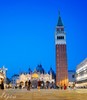
Today, there are numerous attractions in Venice, such as St. Mark's Basilica, the Doge's Palace, the Grand Canal, and the Piazza San Marco. The Lido di Venezia is also a popular international luxury destination, attracting thousands of actors, critics, celebrities, and others in the cinematic industry. The city also relies heavily on the cruise business.[115] The Cruise Venice Committee has estimated that cruise ship passengers spend more than 150 million euros (US$193 million) annually in the city, according to a 2015 report. Other reports, however, point out that such day-trippers spend relatively little in the few hours of their visits to the city.
Venice is regarded by some as a tourist trap, and by others as a "living museum".
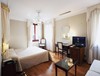
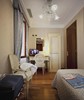
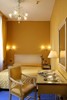
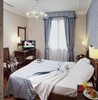
Rooms and Suites in Venice Cannaregio at our hotel
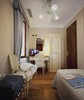
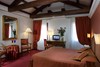
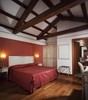
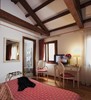
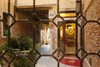
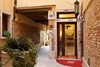
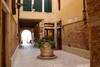
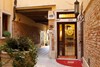
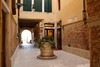
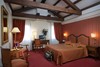
A hidden treasure in Venice’s centre that will transport you into the experience of a typical Venetian court. Come and discover the poetry of our accommodation.
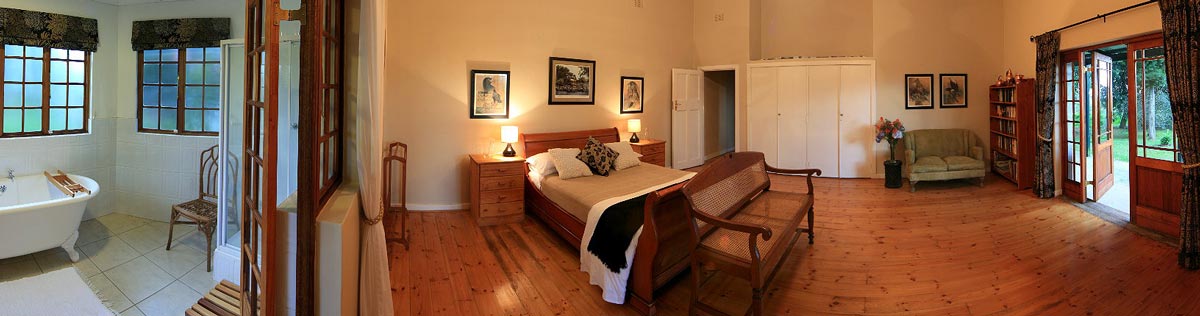
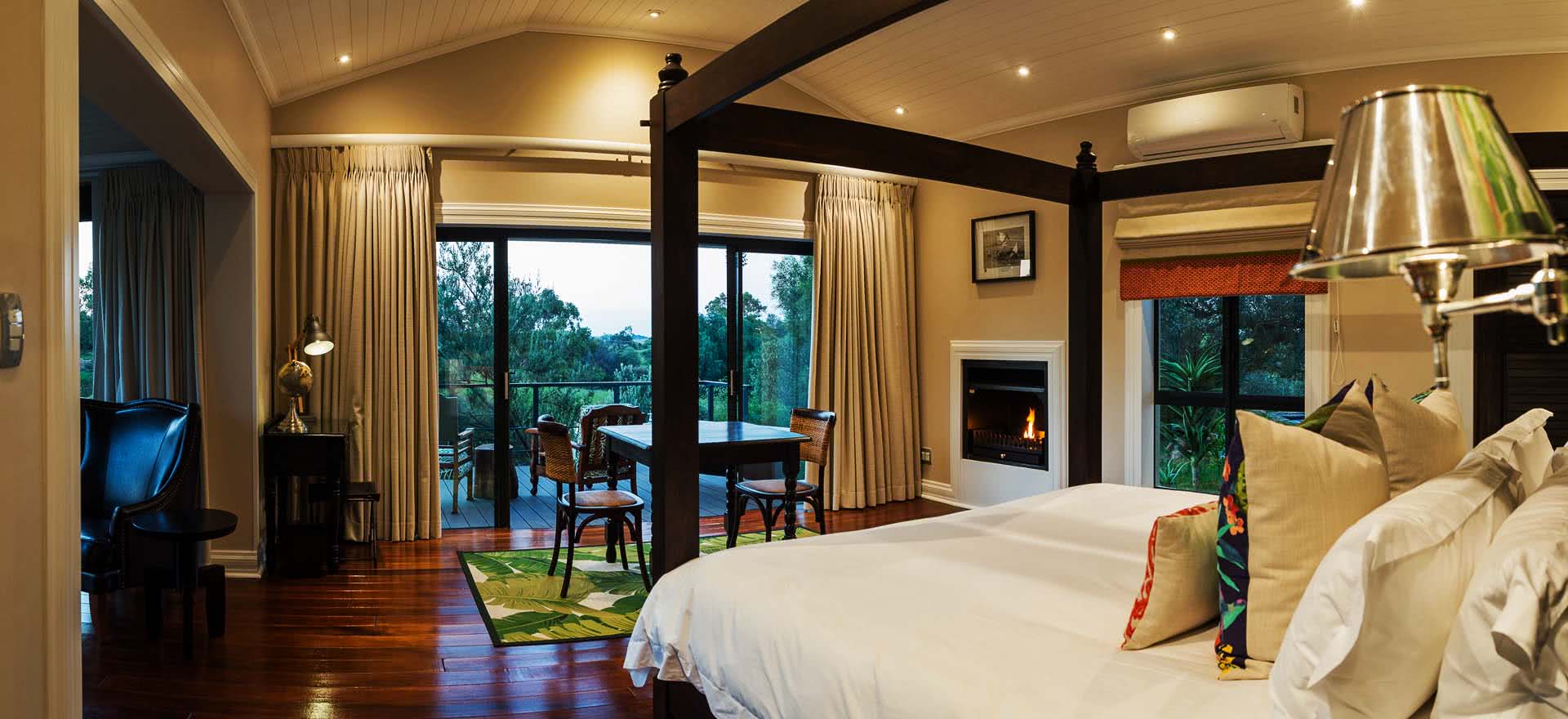
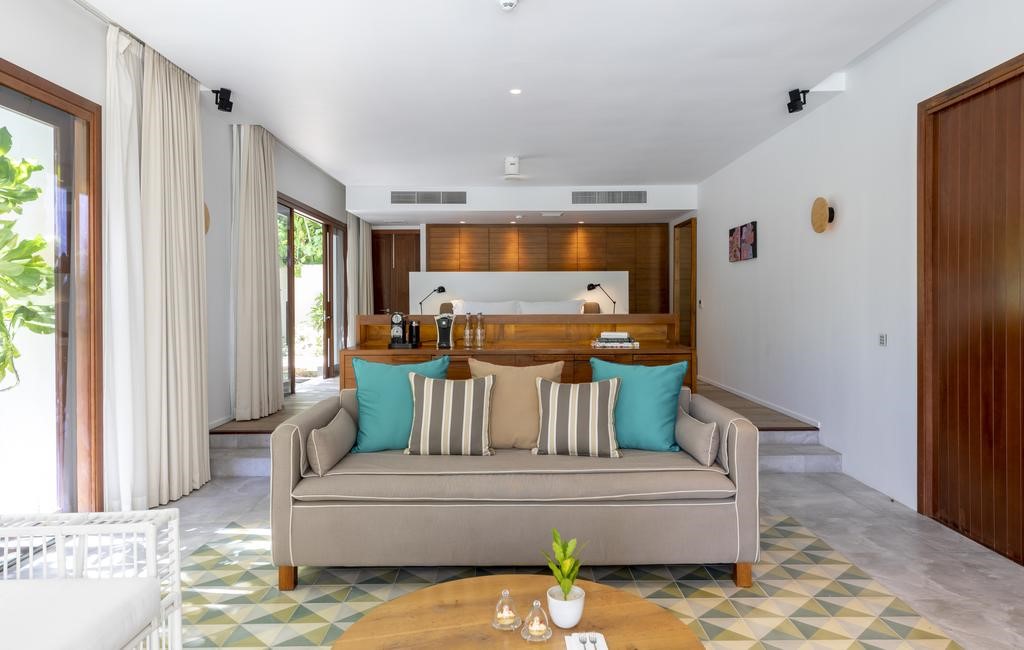
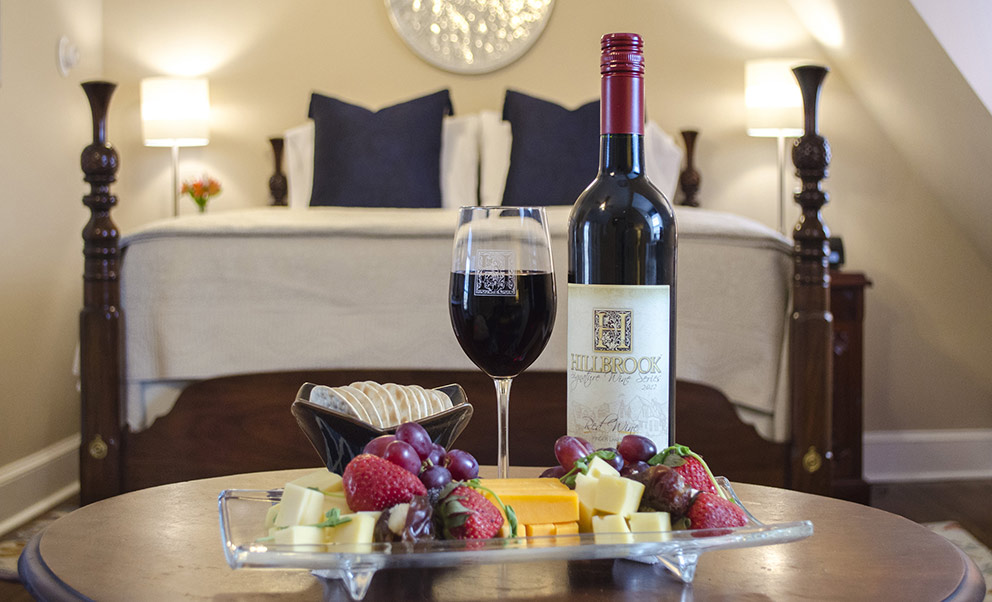
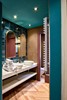
Exclusive rooms, thoughtfully designed and carefully finished, reflect the boutique spirit of of our hotel. Here, the idea of hospitality is shaped around a limited number of rooms, curated with attention to detail to create a more intimate and memorable stay in Venice. Every space is designed to combine comfort, atmosphere, and that distinctive Venetian charm that makes each moment feel special.
Some rooms invite you to enjoy the beauty of the canal just outside your window, while others offer a quieter and more intimate atmosphere, ideal for relaxing after a day spent exploring the city. In every case, the experience is meant to feel welcoming, authentic, and perfectly in tune with the character of Venice.
Your stay is not only about the room itself, but about the rhythm of the whole experience. Waking up in Cannaregio, close to the heart of Venice, and beginning the day in a refined and comfortable setting is part of what makes our hotel so memorable.
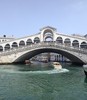
At our hotel, the room experience is part of the identity of the stay. The hotel is located in Cannaregio, one of the most authentic and appreciated areas of Venice, close to Rialto yet set in a calmer internal setting. This gives the accommodation a distinctive personality: central enough for easy exploration, peaceful enough for real rest. The rooms and suites reflect this same idea. They are meant to welcome travelers not only as guests passing through, but as visitors who want to experience Venice in a more comfortable and more liveable way.
Comfort is one of the most meaningful criteria when choosing where to stay in Venice. The city invites you to spend long hours outside, moving through narrow streets and across historic bridges, often from early morning until late evening. For this reason, the quality of rest becomes essential. At our hotel, the accommodation experience is closely linked to this need. Guests looking for rooms and suites in Venice Cannaregio often want more than a well-located hotel. They want a place where they can truly slow down and recharge.
This is why the rooms at our hotel should be understood as part of a wider guest experience. They are not isolated from the rest of the stay. They work together with the hotel’s quiet location, welcoming service, and overall atmosphere to create something more complete. After a day in Venice, what matters is not only returning to a room, but returning to a room that feels right for the pace of the city: restful, comfortable, and easy to enjoy.
Travelers searching for rooms and suites in Venice Cannaregio are often comparing many different options. Some prioritize proximity to landmarks, others look for a more intimate setting, and many want both. Our hotel offers a compelling answer because its rooms are part of a property that combines authenticity with convenience. This makes the stay feel smoother and more coherent from arrival to departure.
Choosing rooms and suites in Venice Cannaregio means choosing a part of the city that feels both strategic and authentic. Cannaregio is appreciated by travelers who want a real sense of Venice, not only postcard beauty. It is lively but not overwhelming, elegant without being distant, and central while still capable of offering quieter corners. Our hotel is perfectly placed within this balance.
For guests, this means the room experience is enhanced by the surrounding neighborhood. Being near Rialto is undoubtedly a major advantage, but being near Rialto while sleeping in a more peaceful setting is even more valuable. The room does not exist separately from the location. In Venice, the two are inseparable. The district shapes the mood of the stay, the quality of the evenings, and even the way mornings begin.
That is why so many travelers searching for rooms and suites in Venice Cannaregio are not simply looking for square meters or a category label. They are looking for a better way to live the city. Our hotel answers that need with an accommodation experience rooted in atmosphere, position, and comfort.
Accommodation & Location
If you are looking for rooms and suites in Venice Cannaregio, oue hotel offers a stay designed around one of the most important qualities in the city: balance. Balance between central location and quiet atmosphere, between Venetian character and everyday comfort, between the beauty of the destination and the pleasure of feeling truly at ease in your room. In a city as unique as Venice, where each day is full of walking, discovery, bridges, museums, canals, and changing light, the room you return to matters more than ever.
One of the most appealing aspects of staying in Venice is the possibility of living the city from within its architecture and waterways. At Hotel Ca’ d’Oro, some rooms connect more directly with this atmosphere through canal-facing views, while others benefit from the calmer feeling of the internal context. This gives the hotel a richer accommodation identity and allows different types of travelers to choose the mood that suits them best.
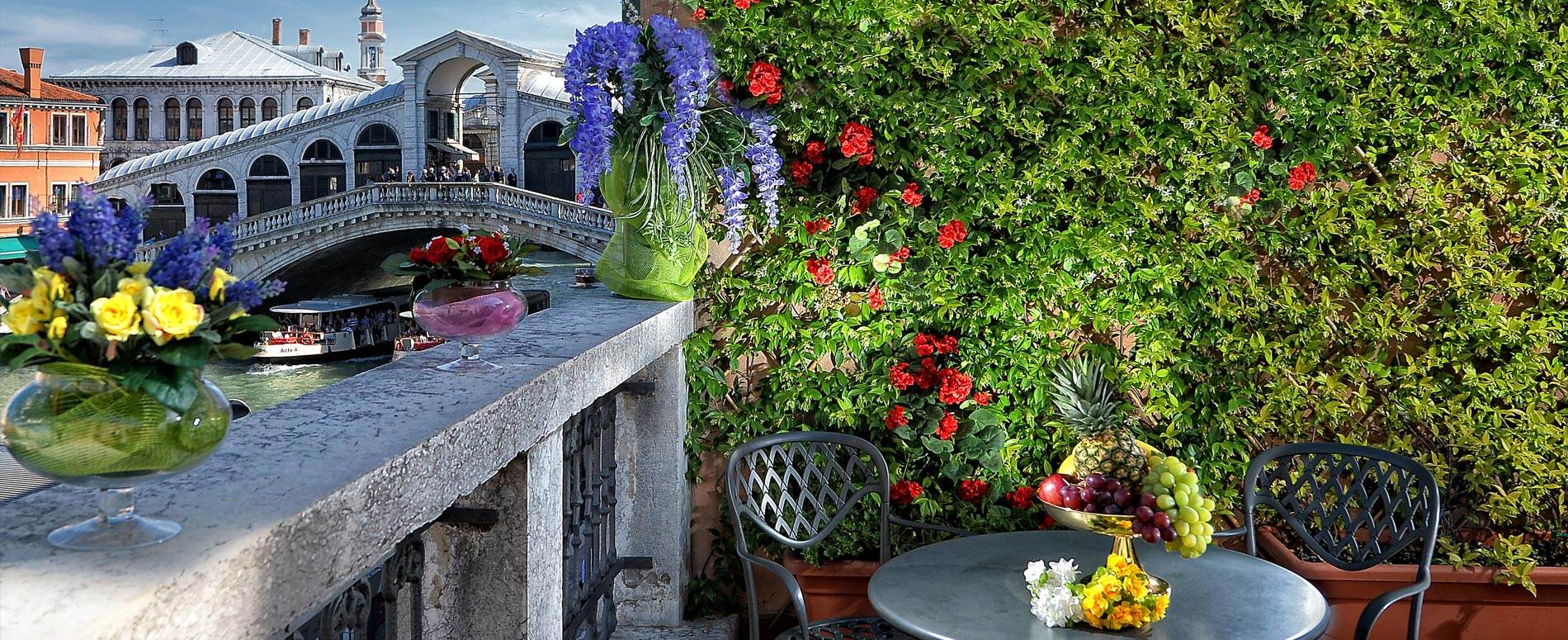
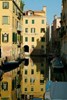
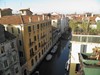
For many guests, a canal view is part of the dream of Venice. Waking up to water, reflections, and the shifting light of the city can make the whole stay feel even more evocative. For others, the quieter side of the experience is even more valuable. A courtyard-oriented or more internal room can provide a softer rhythm, especially for those who place sleep quality, privacy, and calm at the center of the trip. At our hotel, this contrast between canal atmosphere and quieter internal setting is part of the charm.
That is why a page like this should not replace the detailed room list, but support it. The purpose here is to explain what kind of accommodation experience Hotel Ca’ d’Oro offers overall. Guests who want to compare categories, layouts, and availability can then continue to the dedicated room page for the full list of options.
Not every guest comes to Venice for the same reason, and the room should support the kind of trip you want to have. Some travelers arrive for a romantic escape and want an atmosphere that feels intimate and memorable. Others come for a cultural stay and need a welcoming base from which to explore museums, churches, and historic quarters. Some are repeat visitors who care deeply about neighborhood quality and quiet nights, while others are discovering Venice for the first time and want the reassurance of a comfortable, well-positioned hotel.
Our hotel works well for all these profiles because the rooms and suites are part of a broader hospitality promise. The stay is not built on spectacle, but on consistency. You have a hotel in Cannaregio, close to important areas of Venice, with helpful service, appreciated breakfast, and accommodation that supports the experience rather than distracting from it. This makes the property especially attractive to travelers who value substance, ease, and a clear sense of place.
Even when guests eventually choose a specific category from the detailed room list, what convinces them first is often this broader impression: that our hotel offers rooms and suites in Venice Cannaregio that feel aligned with the city itself—authentic, elegant, and comfortable in a natural way.
If you are currently comparing rooms and suites in Venice Cannaregio, our hotel is a strong choice for travelers who want a stay that combines atmosphere with practicality. The hotel offers a welcoming accommodation experience in one of Venice’s most appreciated districts, with the added value of proximity to Rialto, quiet surroundings, and a hospitality style built around comfort and care.
This page is the best place to understand the character of the accommodation. Once you have a sense of the experience, the next natural step is to visit the dedicated room page to see the full list of categories, features, and available options in detail. That way, the journey from inspiration to booking becomes clearer and more useful.
Classic Room
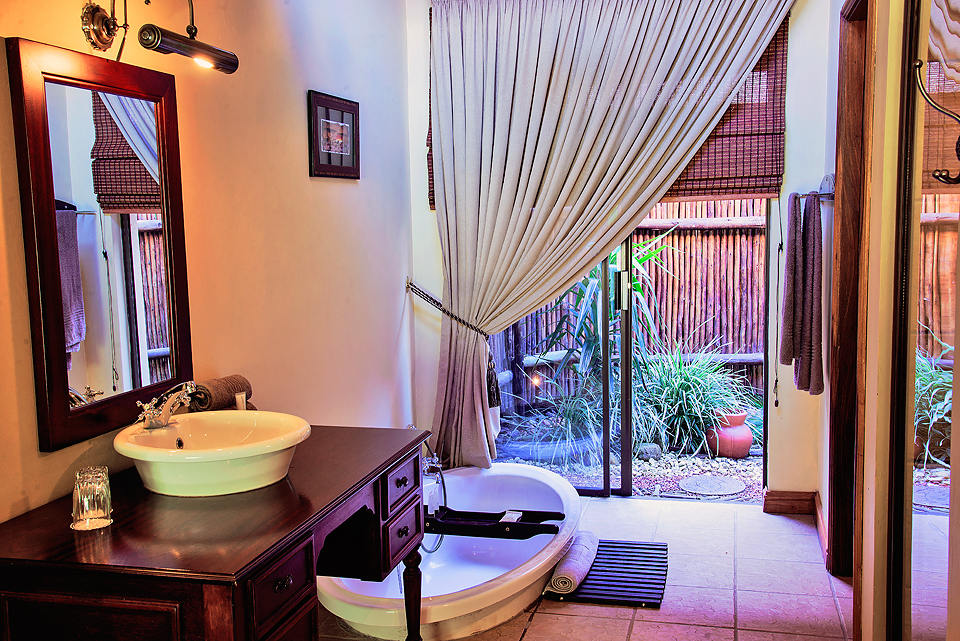
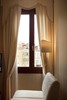
Single, double, master rooms. With the same comforts of the superior ones, indeed, staying in these rooms you will can hang out the window and see the canal that lives at your feet.
Room Amenities
Deluxe Room
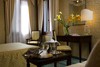
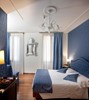
Double, master and triple rooms. The precious furniture with classic and warm charm will make you feel like at home in the magical Venice.
Room Amenities
Deluxe room with canal view
Double, master and triple rooms. High quality furniture and the canal view will make your stay unforgettable.
Room Amenities
Junior Suite
Double single use, double, master rooms and triple bedrooms. Large and stylish furnishings and accessories; you won’t desire for better for your stay in Venice.
Junior Suite with canal view


























































Cliff Jacobs (Nat Dpl Hotel Man (UJ). MPRE. GA Level 5 TEFL) Managing Principal / CEO Exquisite Hotel Consultants (Pty) Ltd Mobile: +27 (0) 84 413 1071 / +27 (0) 61 716 6951 Email: cliff@exquisitehotelconsultants.com Web: https://www.exquisitehotelconsultants.com © All rights reserved Terms and Conditions apply Scroll down to view our Hospitality Properties and Businesses for sale or lease or lease-to-buy or partnership arrangement or management agreement arrangement.
