
.JPG "Exquisite Properties")



Tain, Scotland, United Kingdom
Agent: Cliff Jacobs - Managing Principal Property Practitioner & CEO - Exquisite Hotel Consultants (Nat.Dpl.Hotel Man (UJ). M.P.R.E.)
Agent Cellphone: +27 (0) 84 413 1071 / +27 (0) 61 716 6951
Agent Office Number: +27 (0) 84 413 1071
Agent Email Address: cliff@exquisitehotelconsultants.com
Type: Château / Castle
Bedrooms: 19
Bathrooms: 19
Showers: 19
Parking: 20
Yield: Not Disclosed
Tain, Scotland
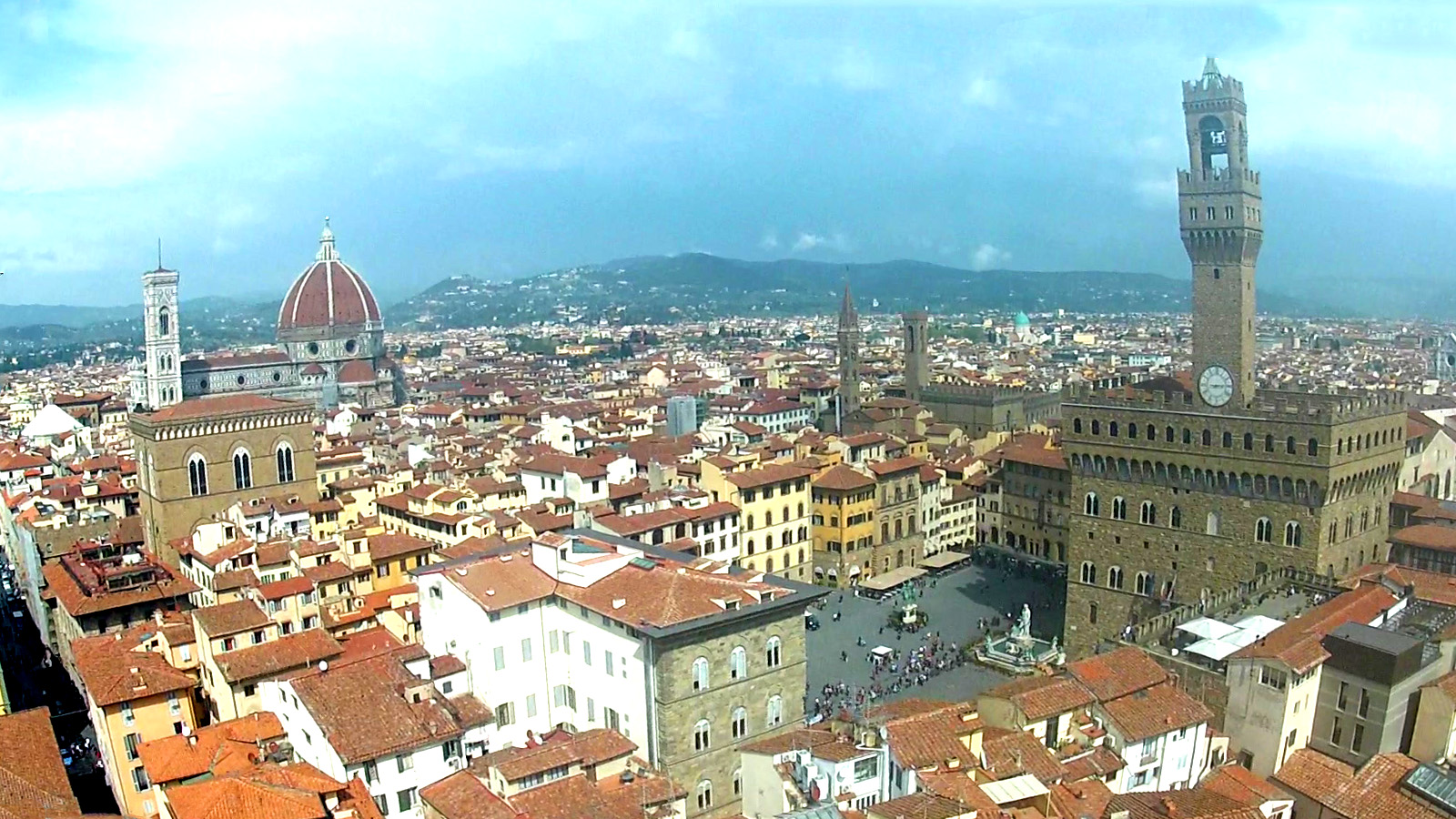
Tain (Scottish Gaelic: Baile Dhubhthaich [palə ˈɣuhɪç]) is a royal burgh and parish in the County of Ross, in the Highlands of Scotland.
Etymology
The name derives from the nearby River Tain, the name of which comes from an Indo-European root meaning 'flow'. The Gaelic name, Baile Dubhthaich, means 'Duthac's town', after a local saint also known as Duthus.
History
Tain was granted its first royal charter in 1066, making it Scotland's oldest royal burgh, commemorated in 1966 with the opening of the Rose Garden by Queen Elizabeth, the Queen Mother. The 1066 charter, granted by King Malcolm III, confirmed Tain as a sanctuary, where people could claim the protection of the church, and an immunity, in which resident merchants and traders were exempt from certain taxes.
Little is known of earlier history although the town owed much of its importance to Duthac. He was an early Christian figure, perhaps 8th or 9th century, whose shrine had become so important by 1066 that it resulted in the royal charter. The ruined chapel near the mouth of the river was said to have been built on the site of his birth. Duthac became an official saint in 1419 and by the late Middle Ages his shrine was an important place of pilgrimage in Scotland. King James IV came at least once a year throughout his reign to achieve both spiritual and political aims.
A leading landowning family of the area, the Clan Munro, provided political and religious figures to the town, including the dissenter the Rev. John Munro of Tain (died ca. 1630).
The early Duthac Chapel was the centre of a sanctuary. Fugitives were by tradition given sanctuary in several square miles marked by boundary stones. During the First War of Scottish Independence, Robert the Bruce sent his wife and daughter to the sanctuary for safety. The sanctuary was violated and they were captured by forces loyal to William II, Earl of Ross who handed them over to Edward I of England.
Facilities
Tain railway station is on the Far North Line. The station is unstaffed; in its heyday it had 30 staff. The station was opened by the Highland Railway on 1 January 1864. From 1 January 1923, the station was owned by the London Midland and Scottish Railway. Then in 1948 the British railways were nationalised as British Railways. After the railways were privatised, the station was served by ScotRail.
Notable buildings in the town include Tain Tolbooth and St Duthus Collegiate Church. The town also has a local history museum, Tain Through Time, and the Glenmorangie distillery.
Tain has two primary schools; Craighill (274 pupils as of April 2011) and Knockbreck (just under 120 pupils as of April 2011). There is also a secondary school, Tain Royal Academy, with 590 pupils as of January 2017.
RAF Tain
With conflict looming in the 1930s, an aerodrome large enough for bombers was built next to the town on low alluvial land known as the Fendom bordering the Dornoch Firth. It was home to British, Czech (311 Sqn) and Polish airmen during the Second World War.
It was abandoned as a flying location after the war and converted to a bombing range for the Fleet Air Arm. In 1939 RAF Lossiemouth opened and was used until 1946 when the airfield was transferred to the Admiralty and becoming Royal Naval Air Station (RNAS) Lossiemouth then returning to the RAF in 1972 as an RAF airfield and the Tain range reverted to the RAF. Large parts of the original aerodrome were returned to civilian use after the Second World War and some are still accessible.
Tain Golf Club offers a Championship length links golf course. Overlooking the Dornoch Firth, the course was first designed by Old Tom Morris in 1890.
Tain is represented in the Scottish Football Association affiliated North Caledonian Football League by senior football club St Duthus Football Club during the regular football season.
Local geographical and visitor features
The Gizzen Briggs are sandbars at the entrance to the Dornoch Firth, and with the right wind, they can be heard at low tide. The so-called "million dollar view" to the north-west of Tain, accessible via the A836 westward towards Bonar Bridge and
then the B9176 Struie Road, gives a panoramic view of Dornoch Firth and Sutherland.
Five important castles are in the vicinity – Carbisdale Castle, built for the Dowager Duchess of Sutherland and now a youth hostel; Skibo Castle, once home of the industrialist Andrew Carnegie and now a hotel; Dunrobin Castle, ancestral seat of the Duke of Sutherland (castle and gardens open to the public); Balnagown Castle, ancestral seat of the Clan Ross, restored and owned by Mohammed Al Fayed; and Ballone Castle, restored by the owners of a local crafts business.
Highland Fine Cheeses, run by Ruaridh Stone (the brother of Liberal Democrat MP Jamie Stone), have a factory at Blarliath Farm, Tain.
Just outside Hill of Fearn near Tain lies the site of the medieval Fearn Abbey.
Parliamentary burgh
Tain was a parliamentary burgh, combined with Dingwall, Dornoch, Kirkwall and Wick in the Northern Burghs constituency of the House of Commons of the Parliament of Great Britain from 1708 to 1801 and of the Parliament of the United Kingdom from 1801 to 1918. The constituency was a district of burghs known also as Tain Burghs until 1832, and then as Wick Burghs. It was represented by one Member of Parliament (MP). In 1918 the constituency was abolished, and Tain was merged into Ross and Cromarty.
About the Castle Hotel
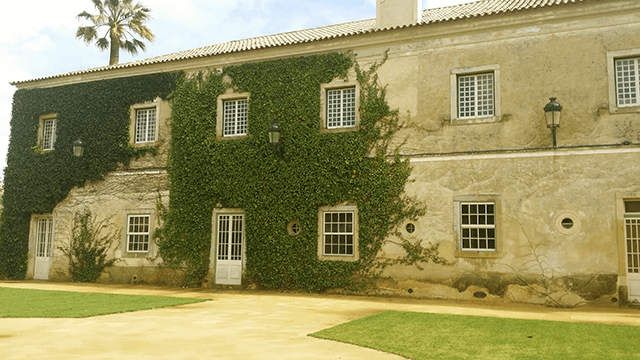
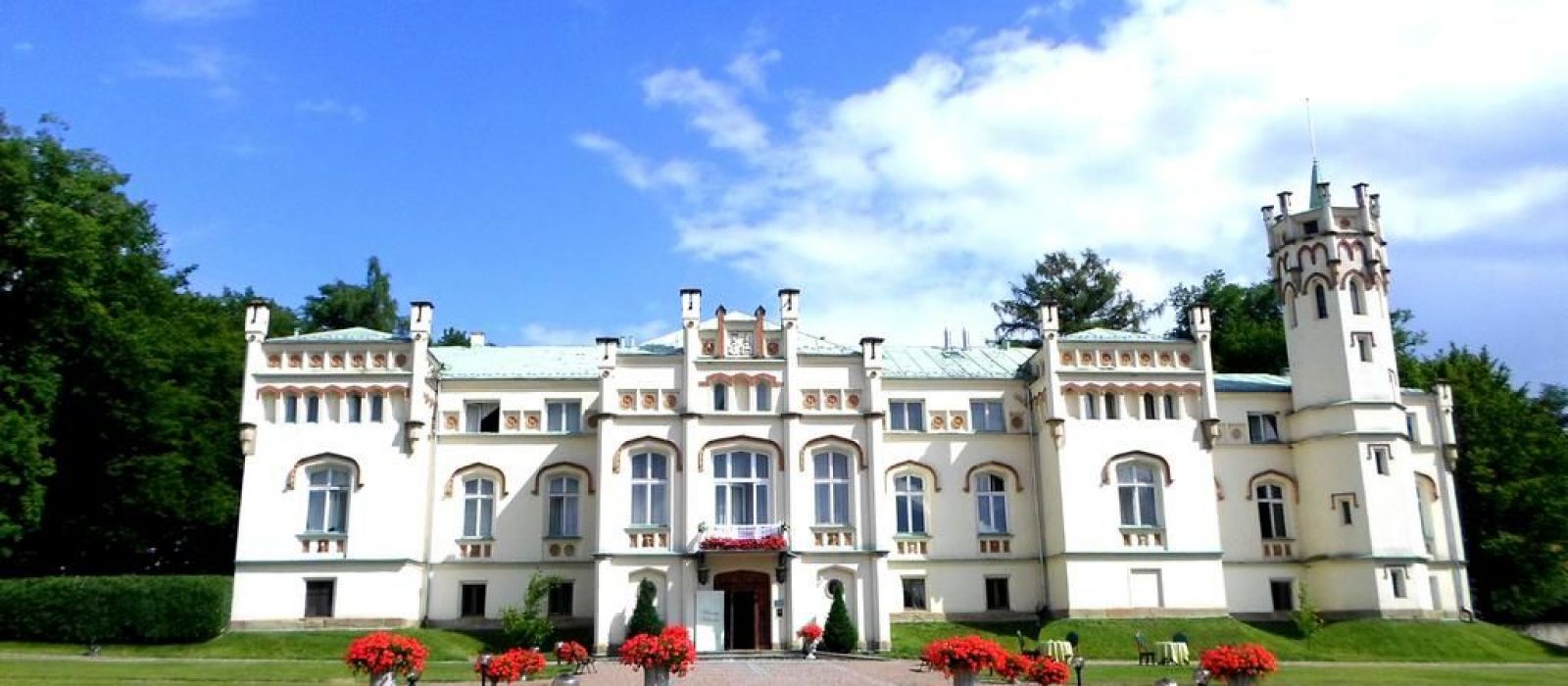
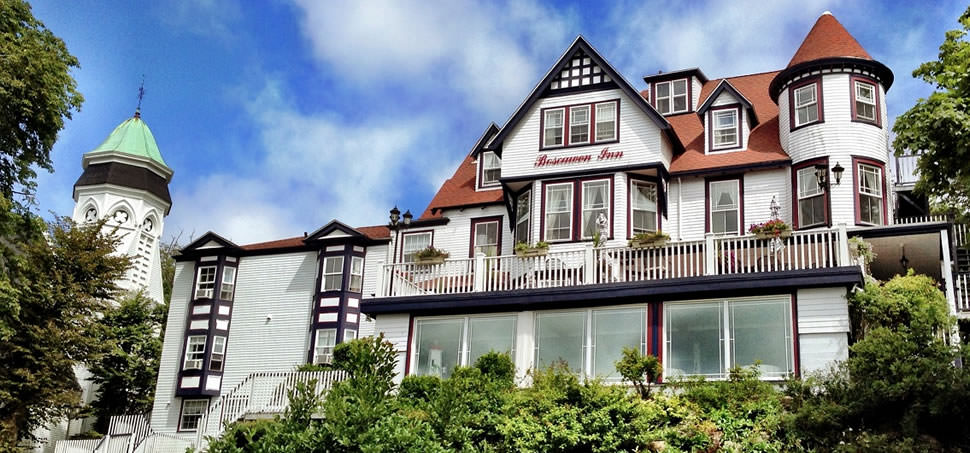
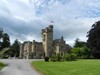
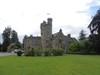
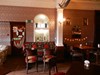
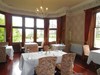
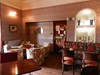
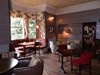
A stunning baronial style castle hotel
19 letting rooms
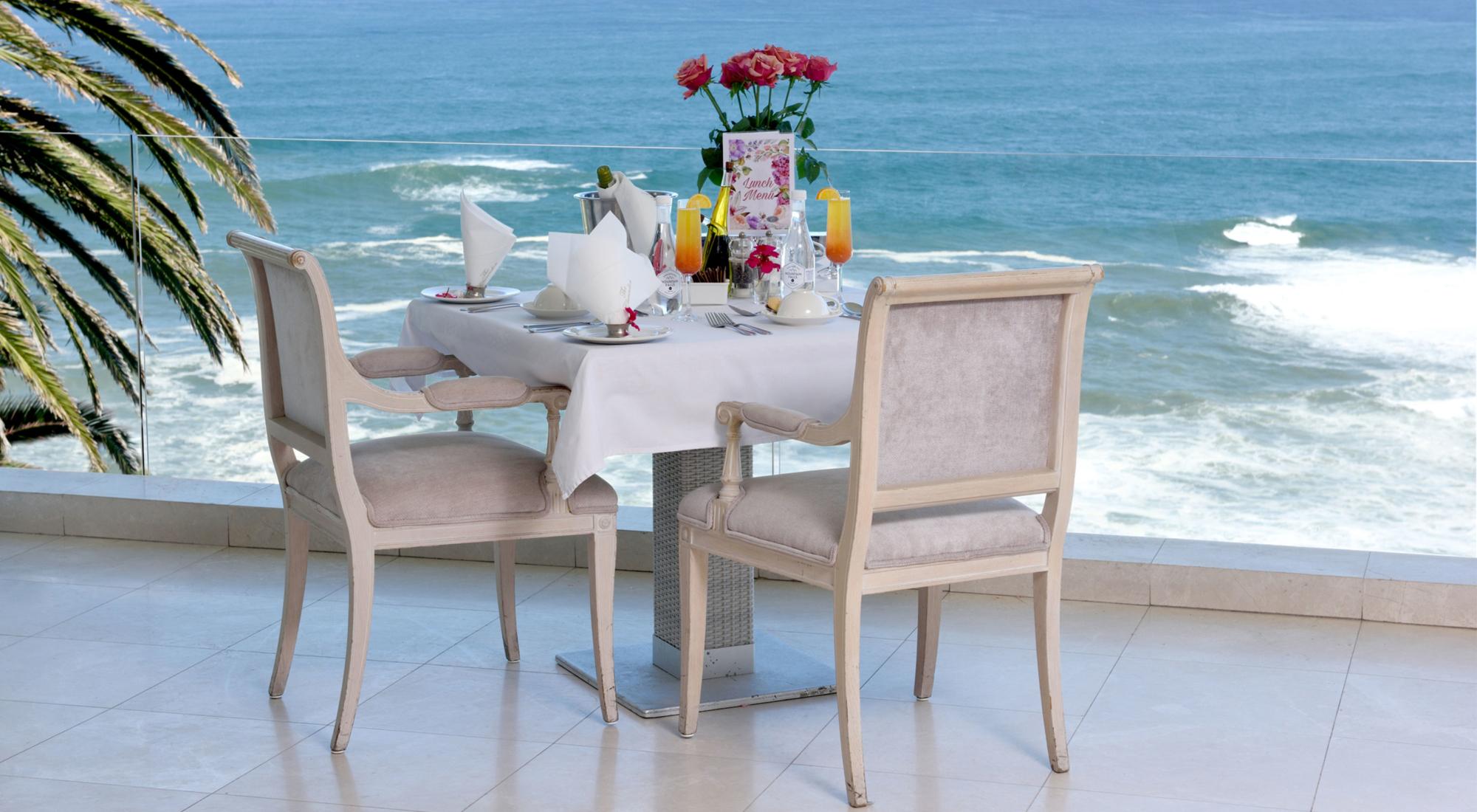
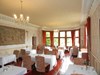
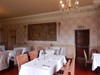
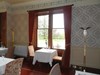
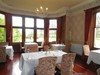
Two restaurants
Tower Suite
3 acres of ground
Detached Owners Cottage
Turnover around £600,000 from seasonal trading
The hotel is located in the village of Tain, which is one of the oldest Royal Burghs in Scotland, given its status in 1066. This thriving town is located on the Easter Ross peninsula north of Inverness and adjacent to the Dornoch Firth. The town is steeped in history, given its Royal Burgh status and its religious history is a place of pilgrimage for many centuries and a place of sanctuary.
More recently, the town has become an ideal base for tourists visiting the area and benefits from a renowned golf course designed by Tom Morris. The proximity to Dornoch and other worldfamous golf courses enhances this town’s location. There are also 5 castles nearby, including Skibo, which has become a prestigious luxury destination. There is also a thriving oil and gas economy locally, with the nearby Nigg Terminal bringing a steady stream of corporate customers for the Hotels. Nigg has recently had a multimillion-pound investment from its relatively new owners.
Inverness is some 34 miles to the south, and Dornoch is some 9 miles to the north. Tain has an unmanned rail station and is within an hour of Inverness Airport.
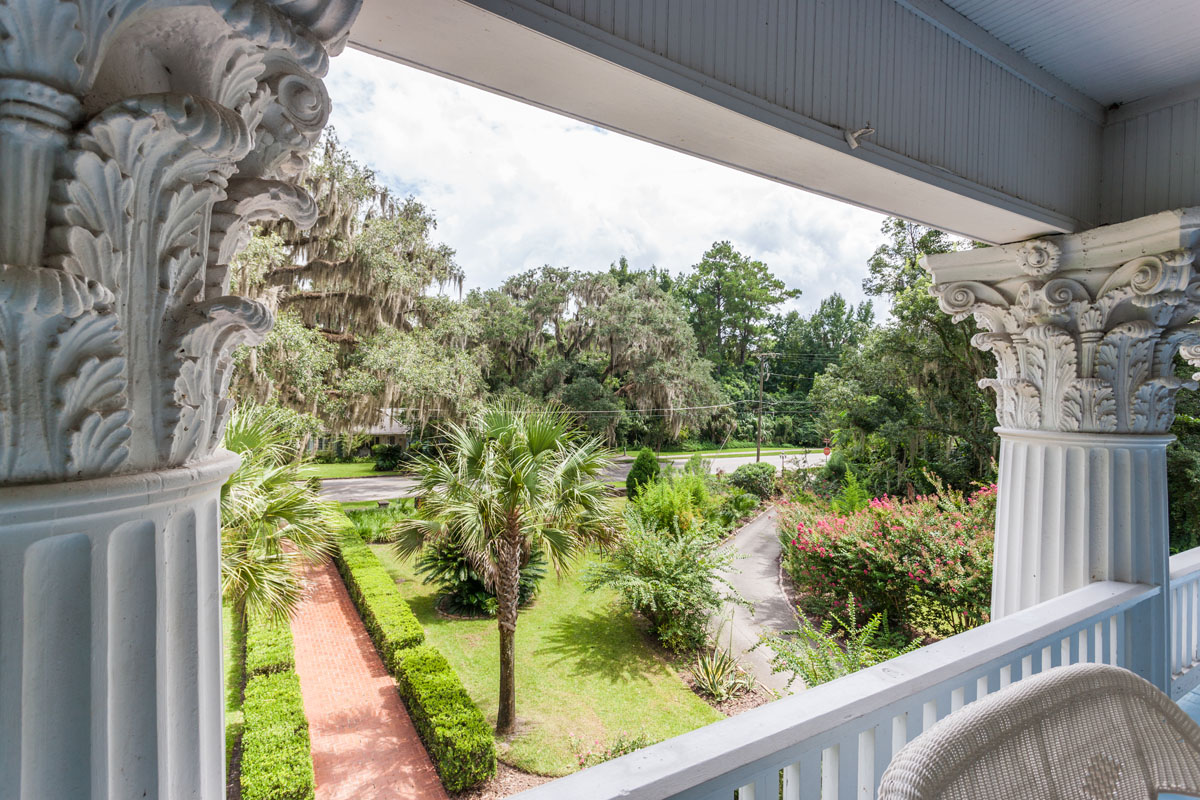
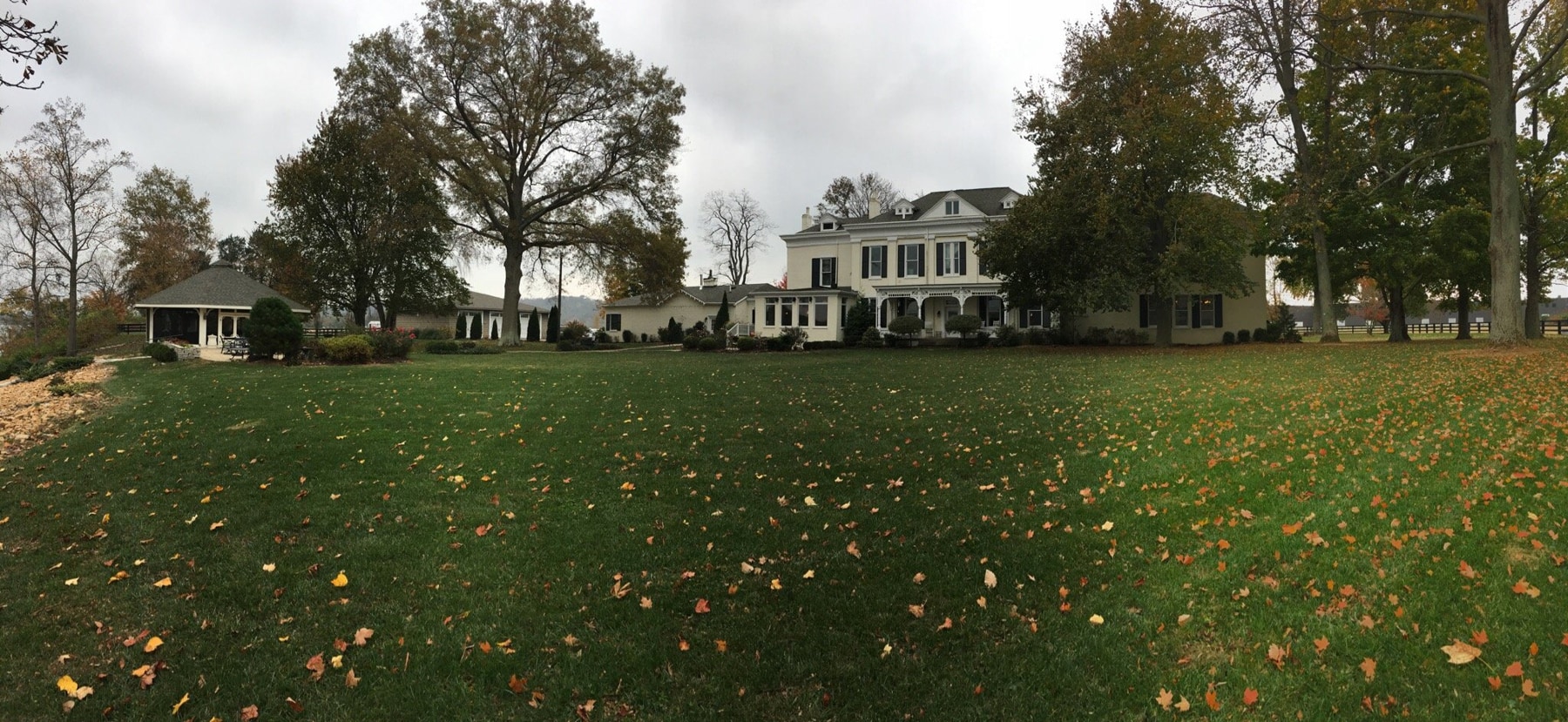
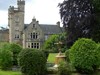
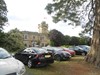
The Castle Hotel sits in 3 acres of land The ground is flat and encompassed by a walled garden. There is a grassed area to the front of the Castle, with an enclosure of mature trees to the north and along the southern boundary. The driveway entrance leads to the front car park, accommodating up to 20 vehicles on a hardcore area.
The main building is a converted baronial-style mansion house with a centrally sited tower with battlements under a multi-pitched slate covered roof. The main accommodation is over 2 principal floors with the tower bedroom in addition.
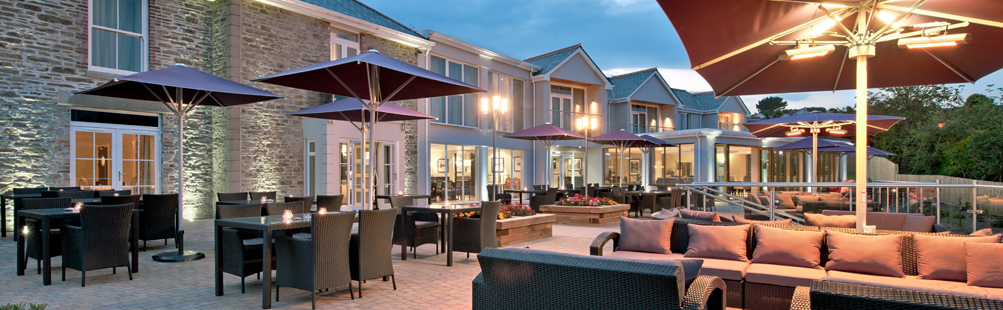
The property has been extended to the rear with a detached extension over 2 storeys modern construction with harled exterior and slate covered roof. There is an adjoining walkway between the main building at the first-floor level and the first floor of the annexe for letting accommodation.
Owner's Cottage
To the rear of the castle there is a small but very well presented owners cottage, which has its own separate driveway. This has an enclosed garden separate from the Hotel’s grounds. This could easily provide additional letting accommodation or a magnificent managers house.
Accommodation Summary
Public Areas
Letting Bedrooms
19 letting rooms, including the Tower Suite
Service Areas
Outside
Around 3 acres of grounds
Staff
TUPE regulations will apply to all members of staff
Accommodation
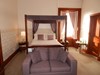
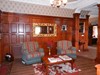
An authentic medieval experience with all the comforts of today
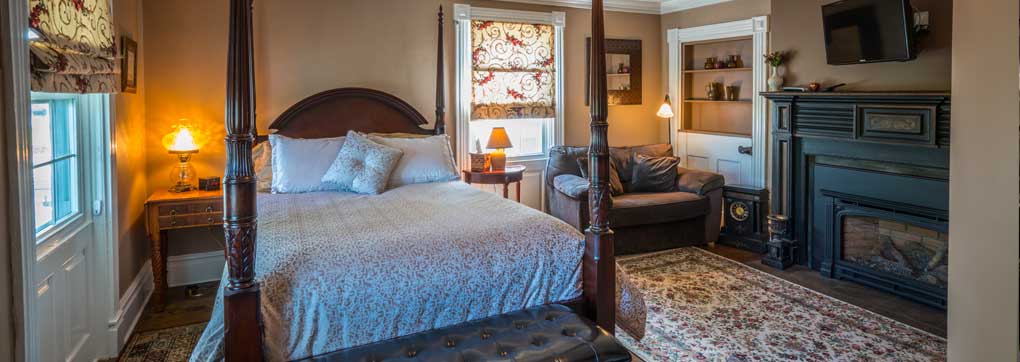
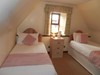
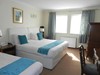
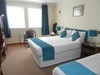
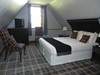
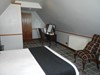
Standard Twin Room
15 m²
2 persons
2 single beds & 1 futon bed
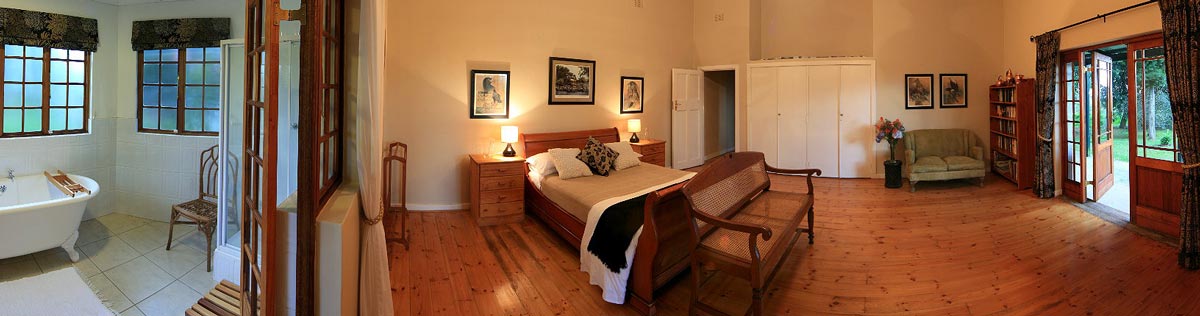
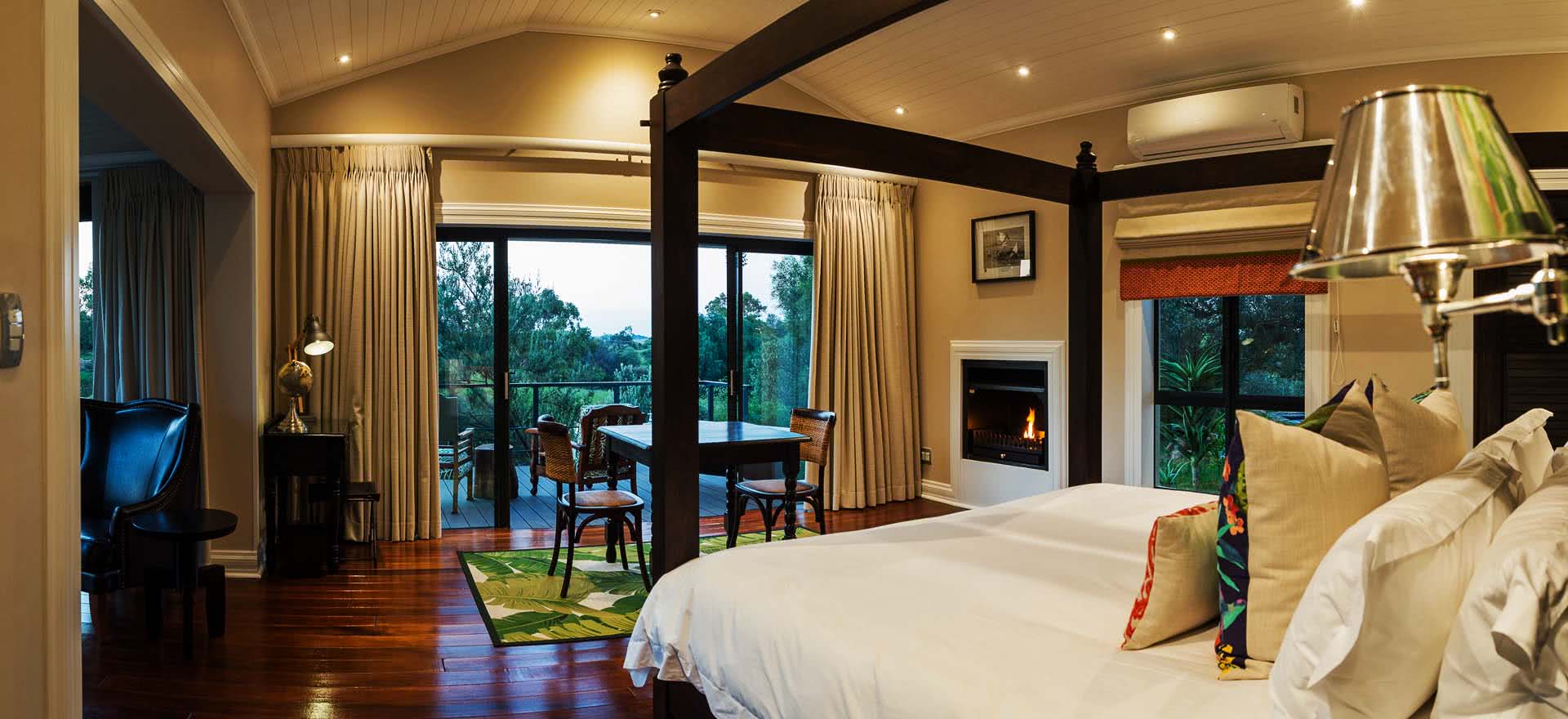
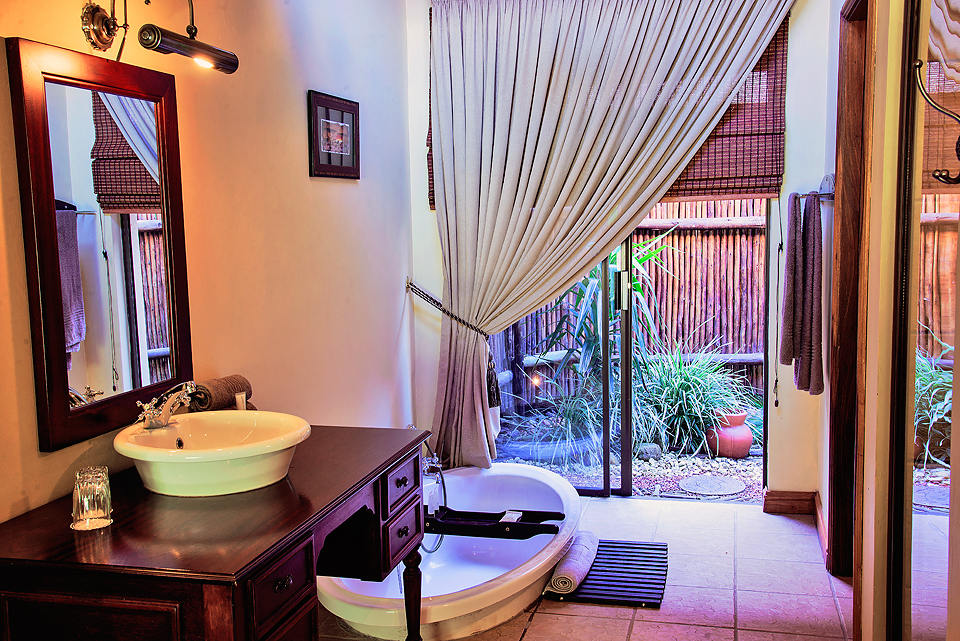
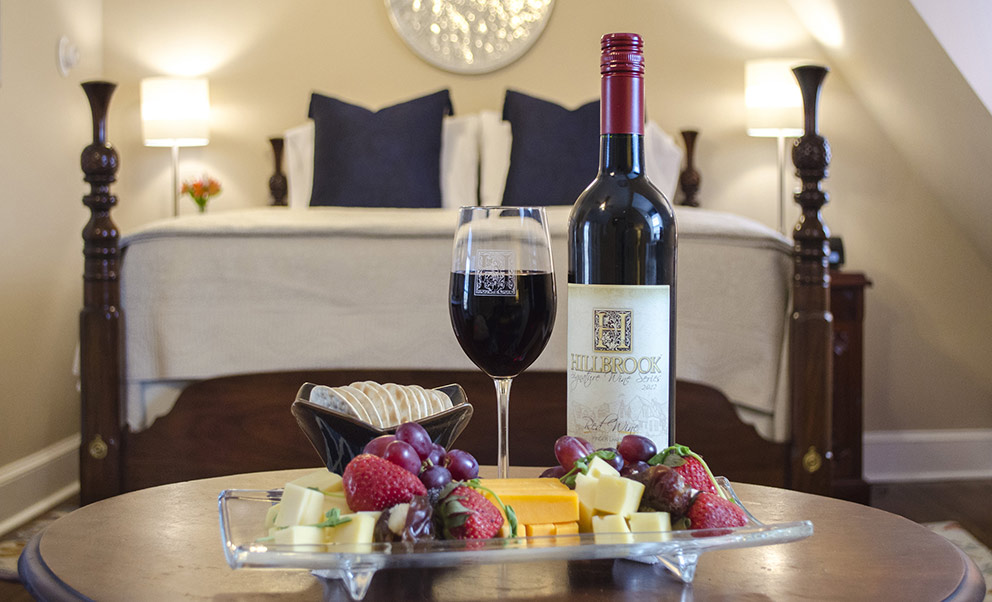
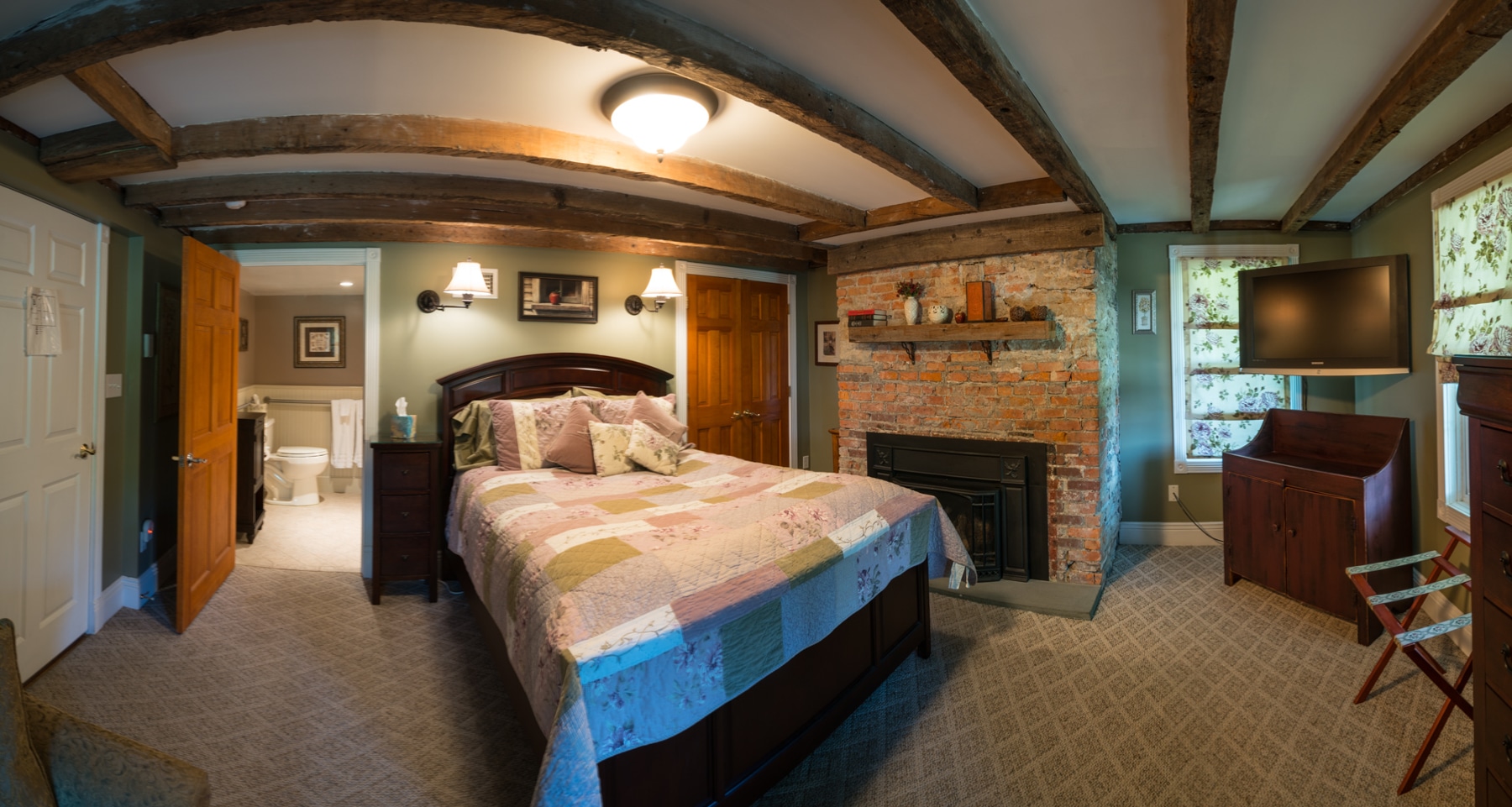
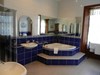
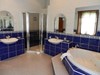
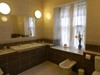
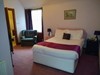
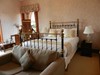
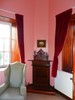
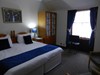
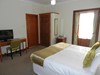
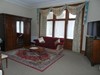
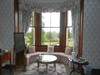
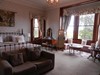
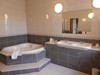
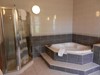
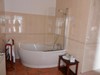
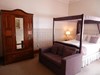
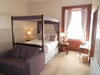
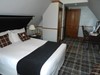
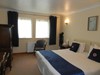
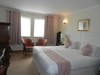
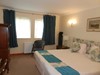
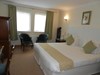
The rooms are spacious and equipped with power shower over the bath, electrical kettle, flat screen TV, luggage rack. There is a build in wardrobe and plenty room for storage. Each room has 2 side bed cabinets, dressing table and a coffee table. Teas, coffees and hot chocolate is provided in the rooms. The rooms are located into the garden wing of the hotel and are connected to the main castle building by a walkway. There is two standard basis rooms into the castle wing as well.
Amenities
The amenities are standard for all guest rooms.
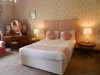
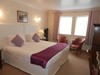
Standard Double Room
15 m²
2 persons
1 large double bed
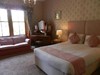
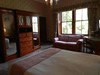
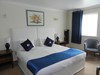
Executive Room
20 m²
2 persons
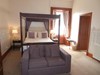
1 double bed & 1 sofa bed
Single Room
10 m²
1 person
1 single bed
Facilities

Cliff Jacobs (Nat Dpl Hotel Man (UJ). MPRE. GA Level 5 TEFL) Managing Principal / CEO Exquisite Hotel Consultants (Pty) Ltd Mobile: +27 (0) 84 413 1071 / +27 (0) 61 716 6951 Email: cliff@exquisitehotelconsultants.com Web: https://www.exquisitehotelconsultants.com © All rights reserved Terms and Conditions apply Scroll down to view our Hospitality Properties and Businesses for sale or lease or lease-to-buy or partnership arrangement or management agreement arrangement.
